

October 29, 2026 – Anthropic’s S-1 lists its reliance on Taiwan’s chip industry among its key risks. The filing also shows revenue jumping fourteenfold in a year and compute commitments that run into the hundreds of billions.

In Summary
Anthropic’s S-1 says it has “not always been able to obtain sufficient quantities of chips on a timely basis.”
The filing ties that shortfall to TSMC, which at times could not fully meet demand for chip capacity.
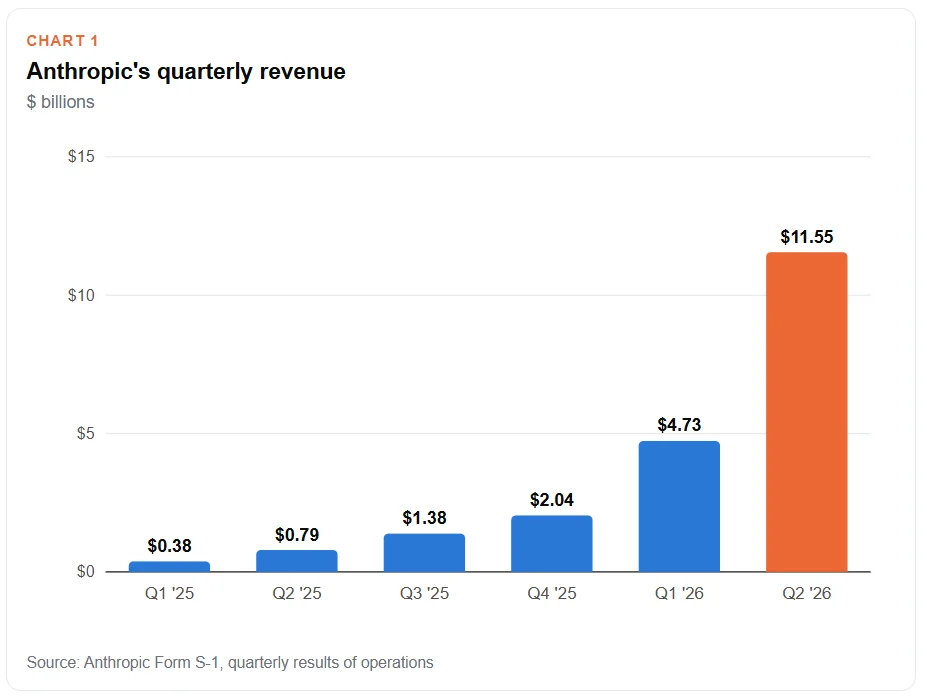
Revenue reached $16.3 billion in the first half of 2026, up from $1.16 billion a year earlier.
Anthropic plans to list on the Nasdaq Global Select Market under the symbol ANT.
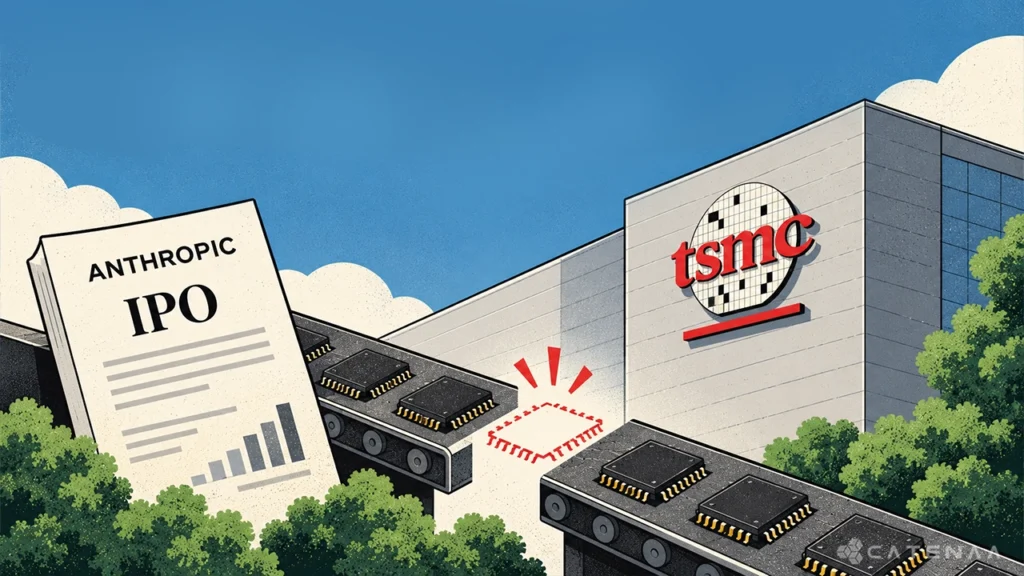
The Anthropic IPO filing puts chip supply near the top of its risk list. In its Form S-1, the AI developer says chipmaker TSMC has, at times, failed to fully meet demand for capacity. As a result, “we have not always been able to obtain sufficient quantities of chips on a timely basis.”
The company filed the registration statement on Oct. 26, according to SEC records. It plans to list its Class A shares on the Nasdaq Global Select Market under the symbol “ANT.” The filing does not yet include a price range.
Why TSMC matters to the Anthropic IPO
Notably, the risk section spells out the concentration. Most of the world’s advanced chip capacity sits in Taiwan, “primarily” at TSMC, the filing says. It lists earthquakes, typhoons and tension between Taiwan and China as threats. Beyond that, it flags Taiwan’s power grid and water supply.
Efforts to build capacity elsewhere, including in the U.S., “remain in early stages,” Anthropic warns. Similarly, it notes that SK hynix, Samsung and Micron make most of the high-bandwidth memory that AI chips need.
To spread risk, Anthropic trains and serves its Claude models on four chip families. These include AWS Trainium, Google TPUs, NVIDIA GPUs and AMD GPUs. Even so, any delay in chips out of Taiwan “would adversely affect” the business, the S-1 says.
Revenue soars, losses widen
Demand is not the problem. Revenue hit $16.3 billion in the first half of 2026, up from $1.16 billion a year earlier. Second-quarter revenue alone reached $11.6 billion, up 1,368% year over year.
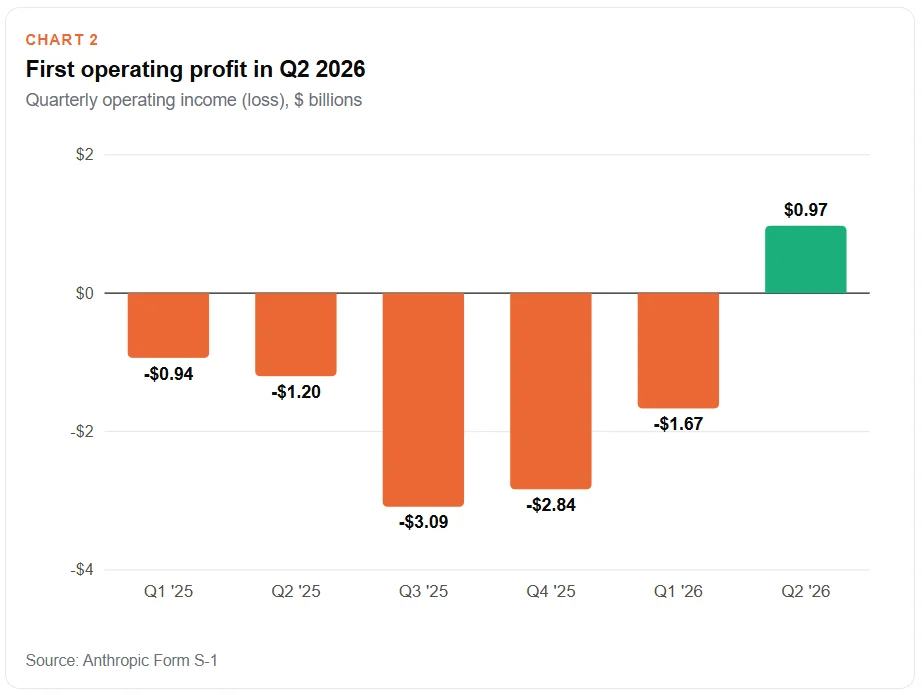
The business also turned an operating profit. Anthropic earned $974 million from operations in the second quarter, after a $1.67 billion loss in the first.
However, the bottom line looks very different. The company posted a first-half net loss of $80.7 billion. Most of that came from a $72.4 billion non-cash charge. It reflects the rising fair value of convertible notes and similar instruments.
Huge compute bills ahead
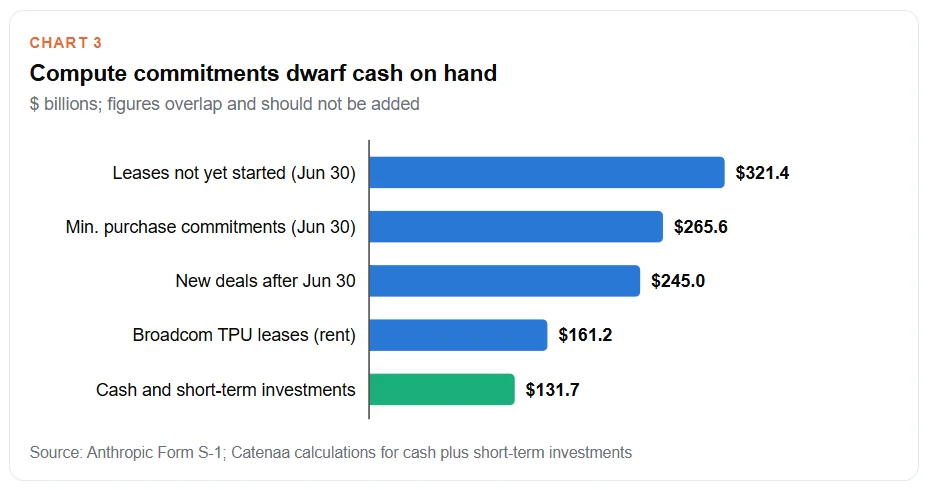
The S-1 also shows the scale of Anthropic’s compute deals. As of June 30, it had signed leases not yet started worth about $321.4 billion. Separately, it expects about $265.6 billion in minimum payments under cloud and infrastructure deals. After June, it agreed to roughly $245 billion more. One example stands out: five-year equipment leases with Broadcom carry about $161.2 billion in rent for TPU-based capacity. These figures overlap in places, so readers should not add them together.
To fund them, Anthropic held $112.4 billion in cash and $19.3 billion in short-term investments at mid-year.
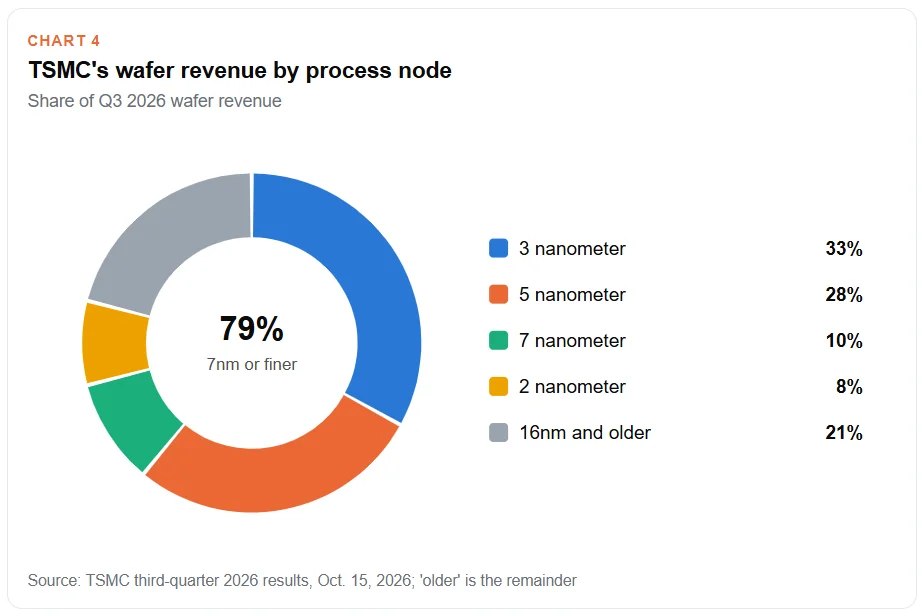
Meanwhile, TSMC itself keeps growing fast. Its third-quarter revenue rose 41.2% in U.S. dollar terms to $46.72 billion. Chips made at 7 nanometers or finer brought in 79% of wafer revenue.
For investors, the picture cuts both ways. Anthropic has the demand and the cash, yet it depends on a supply chain it cannot control. Before the Anthropic IPO prices, buyers will likely press for more detail on chip supply. Catenaa first covered the filing in its report on Anthropic’s IPO plans.