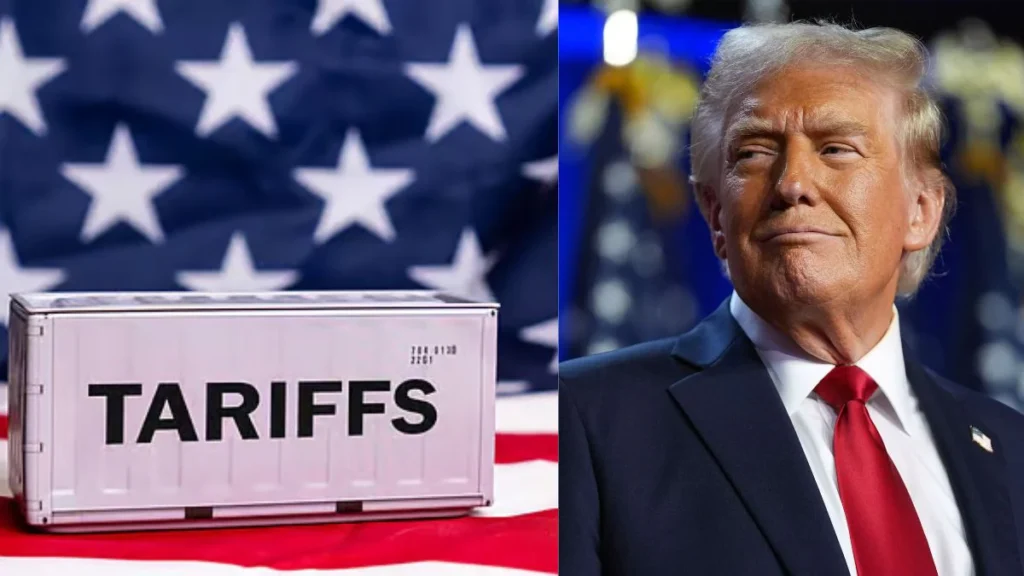


Catenaa, Wednesday, November 25, 2026- President Donald Trump is expected to impose new tariffs on major trading partners despite the Midterm defeat.
The Trump administration is preparing to announce additional import duties targeting 16 major trading partners, following an investigation into alleged excess manufacturing capacity, Reuters reported, citing three people familiar with the matter.
China is among the countries potentially facing the new trade measures, with its annual trade surplus projected to exceed $1 trillion in 2026. However, Reuters reported that additional duties on Chinese goods are expected to remain within the limits established under the existing trade agreement between Trump and Chinese President Xi Jinping.
Reuters reported that investor concerns over another set of US trade restrictions impacted global equity markets on Wednesday, with Nasdaq down over 2%.
“It is another reminder that while the legal justification for tariffs keeps changing, US protectionism is becoming increasingly difficult to unwind,” ING analysts wrote in a note.
According to Reuters, Beijing reiterated its opposition to “trade wars” and once again dismissed the notion of overcapacity, but stopped short of threatening retaliation.
“The so-called ‘overcapacity’ is a false issue, and China opposes using it as an excuse for political manipulation,” Chinese Foreign Ministry spokesperson Guo Jiakun told media, according to Reuters.
“Both China and the United States should jointly implement the important consensus reached by their heads of state and maintain the stable development of bilateral economic and trade relations,” Guo said.
According to Reuters, the existing tariffs have contributed to rising consumer prices, which made voters turn on the ruling Republican Party at the midterms.
“Without the two-thirds majority needed to override a presidential veto, Democrats’ ability to dismantle the tariff wall will remain limited,” ING analysts said in a note.
“Either way, we don’t think the blue wave will mark a return to free trade. The Biden years already showed that tariffs in strategically important sectors enjoy support across political camps,” they said.
Reuters reported that the US-China truce will end on January 10, and many expect it to be extended further, as Trump and Xi are set to meet again at a G20 gathering in Miami in December.
Currently, Chinese imports are already subject to additional tariffs of up to 20% imposed in Trump’s second term, on top of roughly 25% duties imposed in his first administration. Within the second-term limit, there is room for another 7.5 percentage points under the deal. A 12.5% tariff has already been introduced under measures targeting forced-labour practices.
The US and China are also working to cut tariffs on $30 billion of non-strategic imports from each side.