

October 11, 2026 – A new proposal would write sports, election, and weather contracts into the federal swap definition, setting up a fresh clash with states that call them gambling.

In Summary
The CFTC proposed adding event contracts on sports, politics, cultural and weather events to its swap definition.
A companion interim final rule says casino-style gambling products, such as sportsbook wagers, are not swaps.
The Third Circuit backed the swap reading, while the Ninth and Sixth Circuits rejected it for sports contracts.
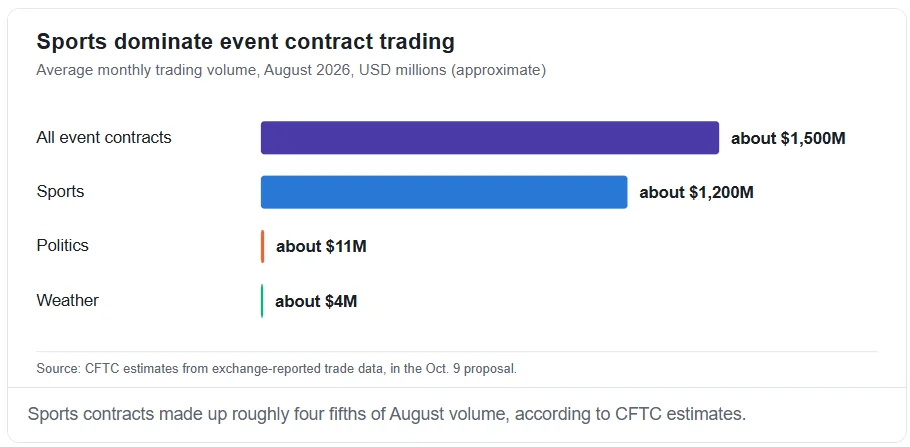
CFTC estimates put August 2026 event contract volume near $1.5 billion, with sports near $1.2 billion.
Comments are due 30 days after the proposal appears in the Federal Register.
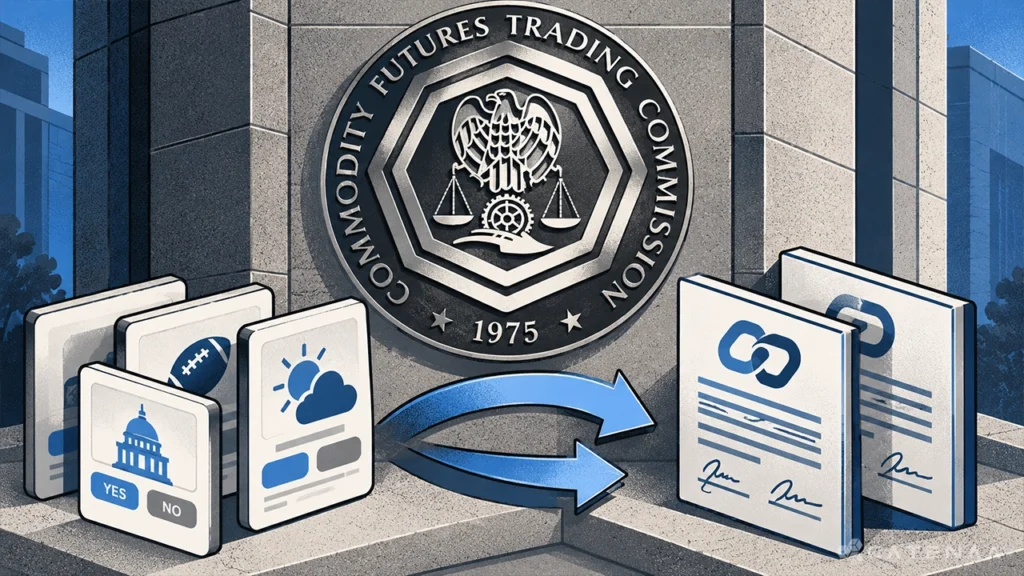
The Commodity Futures Trading Commission wants to end a bitter legal fight over event contracts. On Oct. 9, the agency proposed a rule that would write event contracts into its definition of “swap.” The text names contracts based on sports, politics, cultural and weather events.
For prediction markets, the stakes are high. Swaps that trade on federally registered exchanges answer to the CFTC alone. As a result, a final rule could weaken state efforts to treat these products as illegal gambling. In short, the rule could decide who polices these markets.
Chairman Michael S. Selig said the move simply makes the law clear. “These products are commodity derivatives squarely within the CFTC’s regulatory remit under the Commodity Exchange Act,” he said. He added that Americans use event contracts “to hedge risks, speculate, and provide the public with information.”
What the event contracts proposal changes
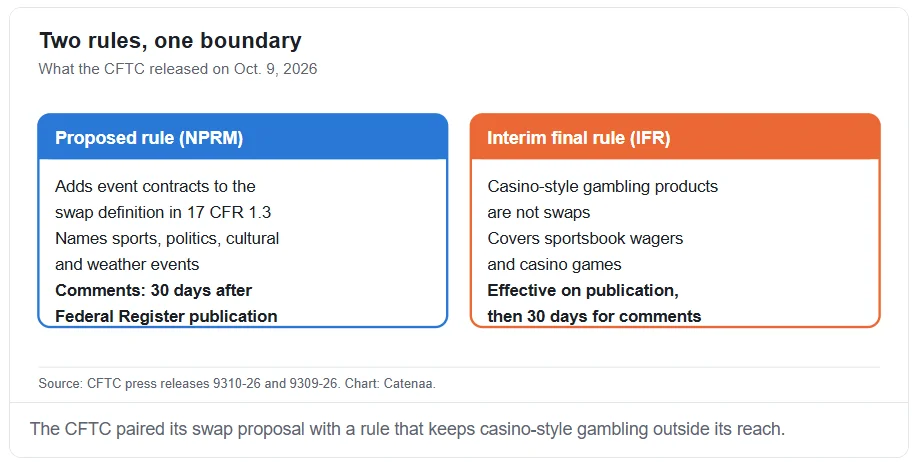
The rule would add a new paragraph to the swap definition in CFTC regulations. In its full proposal, the agency grounds that step in several prongs of the statutory swap definition. First, the agency says traders commonly know these contracts as swaps. Second, many are binary options. Third, the events behind them can carry a financial or economic impact.
The CFTC also claims a separate footing. It argues that its power to “further define” swaps provides “an independent legal basis.” Notably, the agency proposes no new duties for exchanges or traders. It expects tiny direct costs, since the rule only writes down its current view.
A companion rule draws a line at casinos
The agency paired the proposal with an interim final rule. That rule says casino-style gambling products are not swaps. It names wagers placed on sportsbooks and casino games as examples.
“Casino-style gambling products are not derivatives,” Selig said. The interim rule takes effect once it appears in the Federal Register. Even so, the public can still comment on it for 30 days after publication.
Courts split on sports contracts
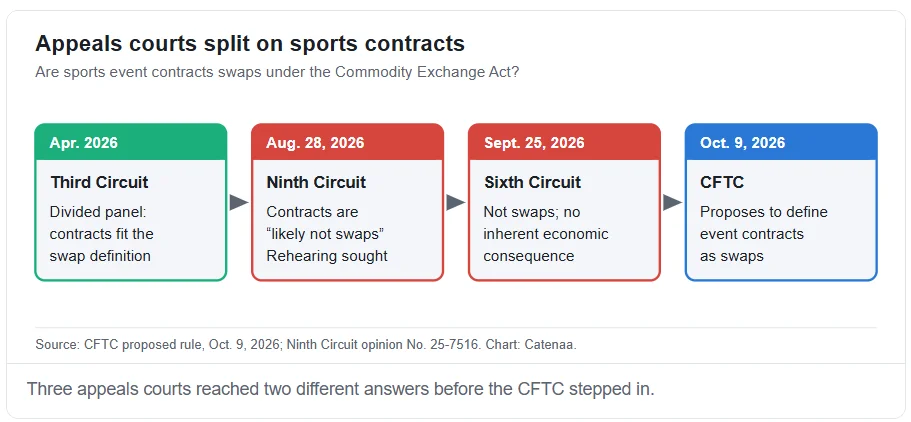
The proposal answers a widening split among federal appeals courts. In April 2026, a divided Third Circuit panel held that sports event contracts fit the swap definition. By contrast, the Ninth Circuit ruled on Aug. 28 that such contracts “are likely not swaps under the CEA.”
The Sixth Circuit reached a similar result on Sept. 25, though for different reasons. That court said game results carry no built-in financial or economic effect. In the Ninth Circuit case, a rehearing petition now awaits a ruling.
States push back hard
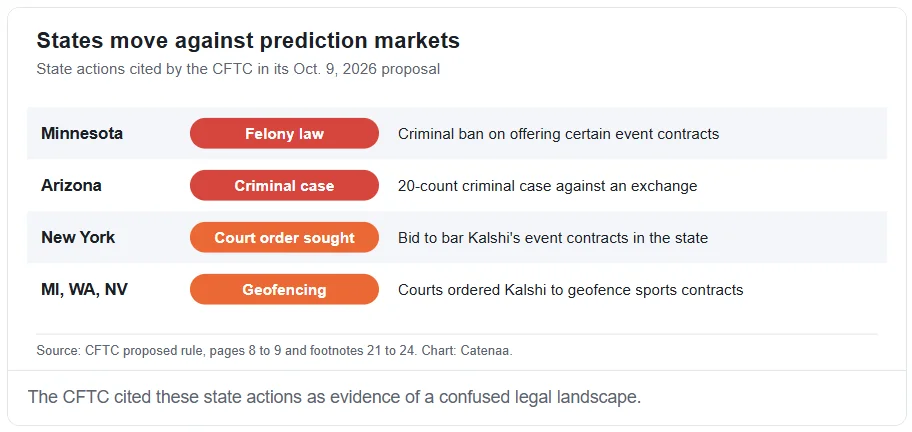
Several states have moved hard against prediction markets. Minnesota enacted a criminal ban that makes offering certain event contracts a felony. Arizona filed a 20-count criminal case against one exchange. New York asked a state court to bar Kalshi from offering event contracts in or from the state.
State courts have also ordered Kalshi to geofence sports contracts in Michigan, Washington and Nevada. Because Kalshi has its headquarters in New York, the agency warns that the state’s case alone threatens its nationwide business.
The money behind event contracts
Indeed, real money rides on the fight. The CFTC puts average monthly event contract volume at about $1.5 billion in August 2026 across reporting exchanges. Sports contracts accounted for about $1.2 billion, or roughly 80%. Politics added about $11 million, and weather about $4 million. By comparison, political contracts drew under 1% of August volume, even in a midterm election year.
The market is also growing more crowded. At least seven registered exchanges offered sports contracts to US persons as of Sept. 1. Furthermore, more than 15 exchange applications filed since 2025 are still pending.
What comes next for the proposal
Comments close 30 days after the proposal appears in the Federal Register. As of Oct. 9, the register had not yet published it. Then, the agency must weigh the comments before it can adopt a final rule.
The CFTC itself flags risks for retail users. Its cost analysis links some trading features to “addictive potential.” It also admits that fixed compliance costs may favor established exchanges.
Still, the agency found no harm to competition. The final word may yet come from the courts or Congress. For now, the proposal hands judges a formal agency reading to weigh.