

October 05, 2026 – OpenPayd targets a year-end listing and an April US launch. Its newer filing puts growth, losses, and funding assumptions in sharper focus.
In Summary
The CEO targets year-end completion, subject to outstanding approvals.
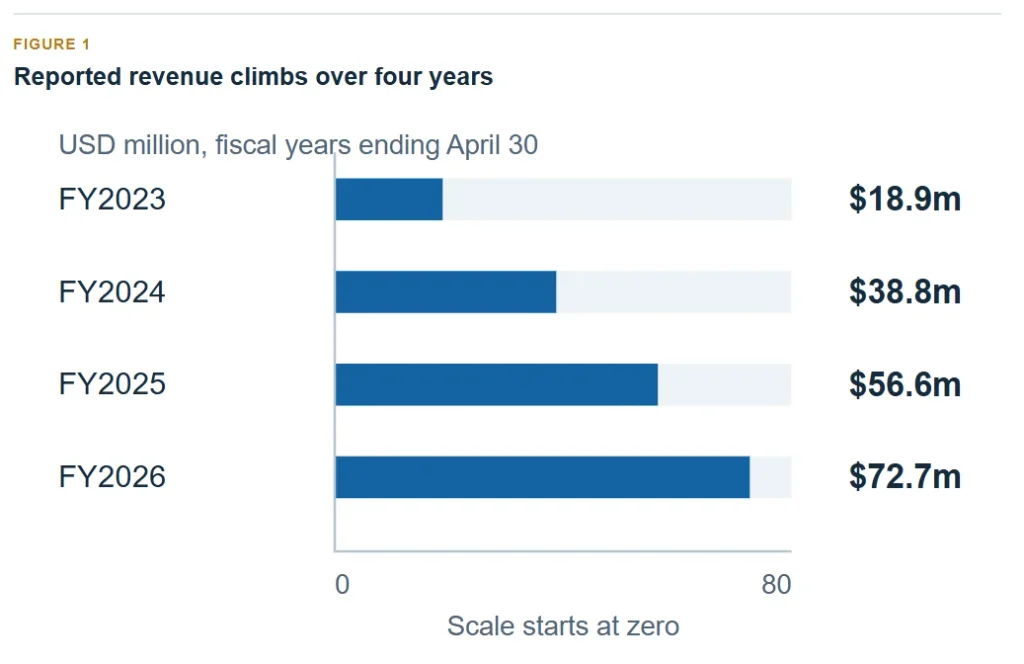
Reported annual revenue rose 28.4% to $72.7 million.
The newer presentation’s $1.245 billion equity value assumes an uncommitted $100 million financing.
OpenPayd Nasdaq listing faces its next test
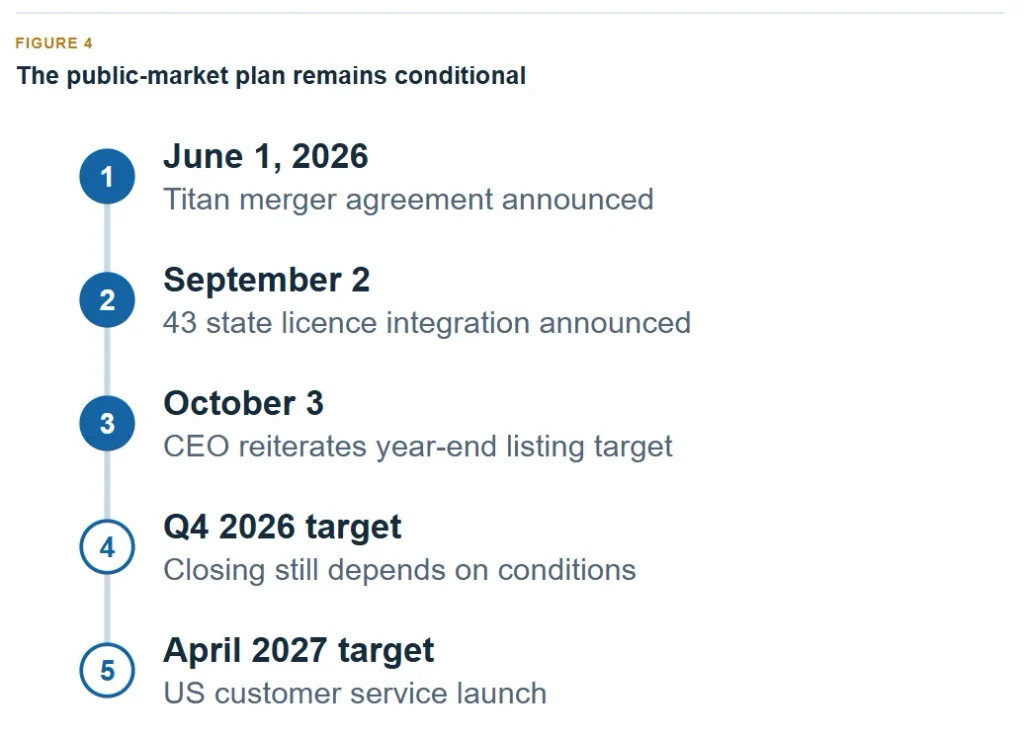
The OpenPayd Nasdaq listing could close before year-end. CEO Iana Dimitrova gave that target in an October 3 interview. She also aims to serve US clients by April 2027. Yet approvals and closing conditions remain outstanding.
The firm plans a merger with Titan Acquisition Corp., a blank-check company. Investors must judge both the payments business and the deal terms. The headline value is only part of the story. Cash at closing matters too.
OpenPayd links accounts, foreign exchange, payments, and stablecoin services. It earns from clients moving money across those rails. A listing could fund growth and purchases of other firms. That also brings spending and execution risks.
Revenue growth comes with a profit caveat
A filed presentation reports $72.7 million in fiscal 2026 revenue, up from $56.6 million. Calculated growth is 28.4%. The year ended April 30. However, the presented historical figures are unaudited.
Dollar figures use different euro exchange rates across periods. Some change therefore reflects currency translation. Readers cannot treat every dollar of growth as new business. Comparable figures would give a clearer view.
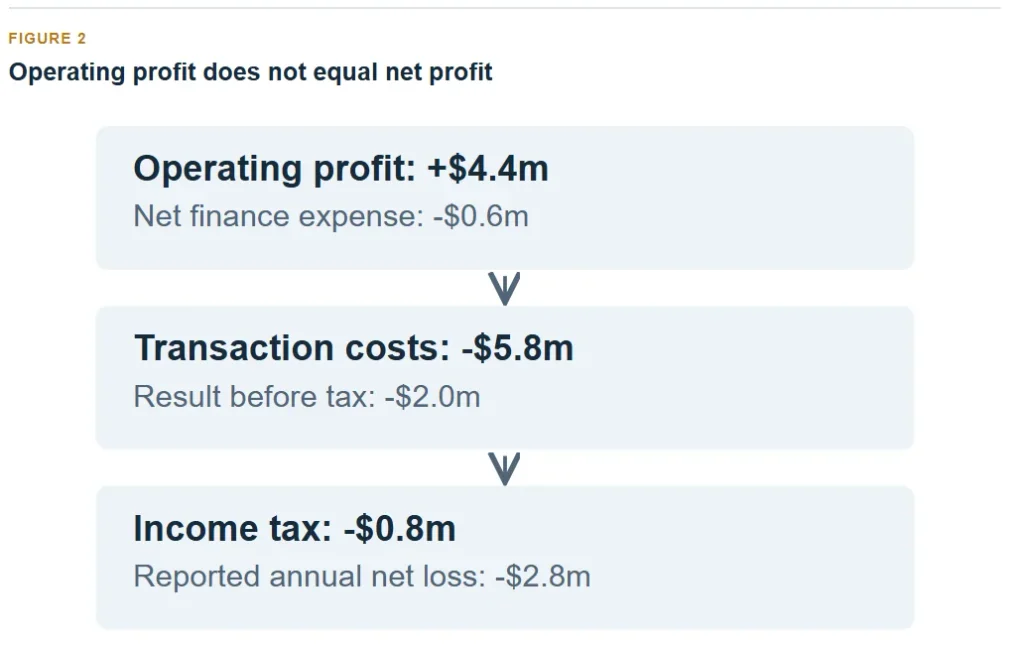
The same filing shows $4.4 million in operating profit and a $2.8 million net loss. Deal costs reached $5.8 million. Adjusted EBITDA was $12.5 million. That measure is not net earnings.
The figures imply a 17.2% adjusted EBITDA margin. This points to earnings capacity before certain costs. Yet adjustments do not erase the loss. Investors need both to judge growth.
More revenue does not automatically mean stronger pricing. Clients may send more funds or pay less per transfer. Revenue per client and retention would help explain growth. Repeat use matters after clients finish the first setup.
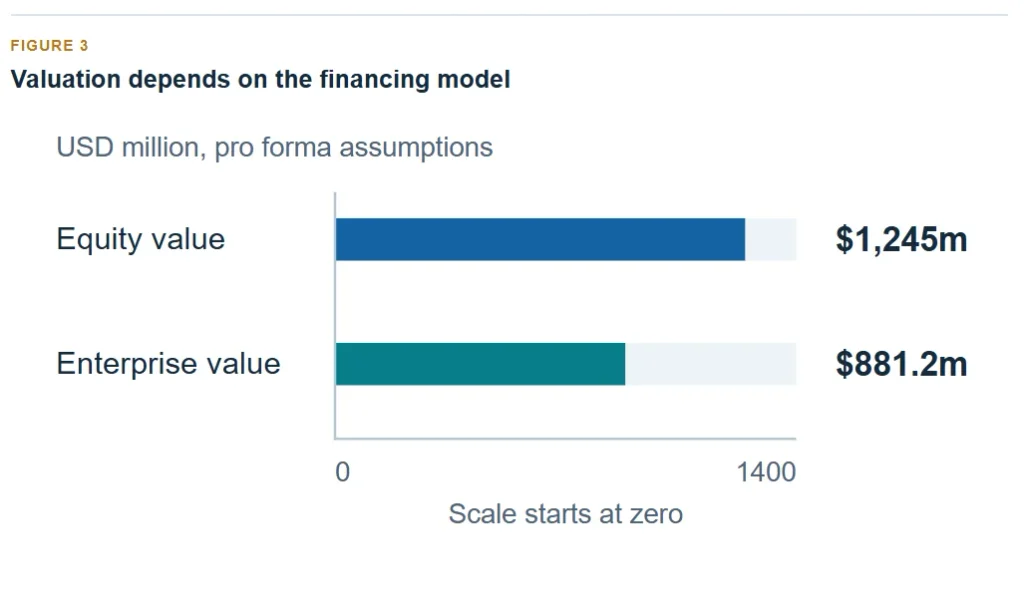
The newer valuation uses different assumptions
The June announcement set pro forma equity value at $1.145 billion. The newer filing models $1.245 billion. These are deal calculations. They are not rival live share prices, and their financing assumptions differ.
The new model assumes $100 million of private funding at $10 per share. That funding is uncommitted. It also assumes $276 million in Titan’s trust before redemptions. Cash can change if shareholders withdraw funds.
The model gives an enterprise value of $881.2 million after deducting pro forma cash. This differs from equity value. Enterprise value allows for the modeled cash position. Revenue comparisons must keep that distinction clear.
The eventual stock price will offer another test. A deal value cannot promise a trading price. Nor can modeled cash promise actual funds at closing. Funding commitments and shareholders still affect the outcome.
Listed shares could help pay for purchases. But issuing more shares can dilute holders. Paying cash instead would reduce available funds. So the funding mix matters as much as the list of possible targets.
Licences help, but usage pays the bills
A September update brought 43 state money transmitter licences into the group through MSB USA. This provides a base for US service. Yet licences permit operations. They do not establish sales or prove client demand.
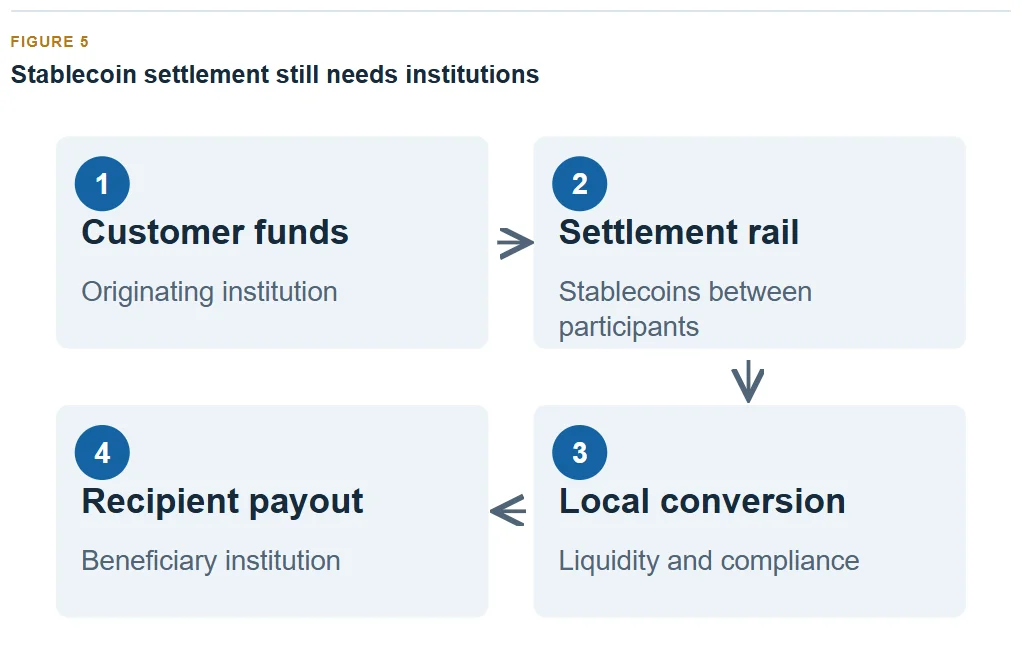
Stablecoins could help connect cross-border payment routes. The network model uses participating firms for direct settlement and fiat payouts. Banking access, local checks, and liquidity still matter. A faster rail cannot replace every part of the route.
US expansion also creates a cost test. New clients need onboarding, support, and working bank connections. Those costs may arrive before the revenue. Investors would benefit from a clear split between spending on growth and the cost of serving existing clients. That would make margins easier to interpret.
A merger close is therefore a starting point. The harder task is turning funds raised into repeat client use. Reporting cash flow alongside growth would help show how much of the plan the business can fund itself.
Also, clients may value having fewer separate payment connections. Yet one provider also creates dependence. Clear fees and reliable service would support trust. Firms need backup routes when a bank or payment partner becomes unavailable. That is a test.
The business case depends on what clients pay for the service. Payment volume is not company revenue. Annualizing one month’s activity is not the same as a full-year result. Numbers need clear labels and periods.
Next, watch funding, redemptions, approvals, and the US launch. Results after closing should test the OpenPayd Nasdaq listing plan. Growth helps. Cash generation and sound spending will show whether expansion creates lasting value for shareholders.