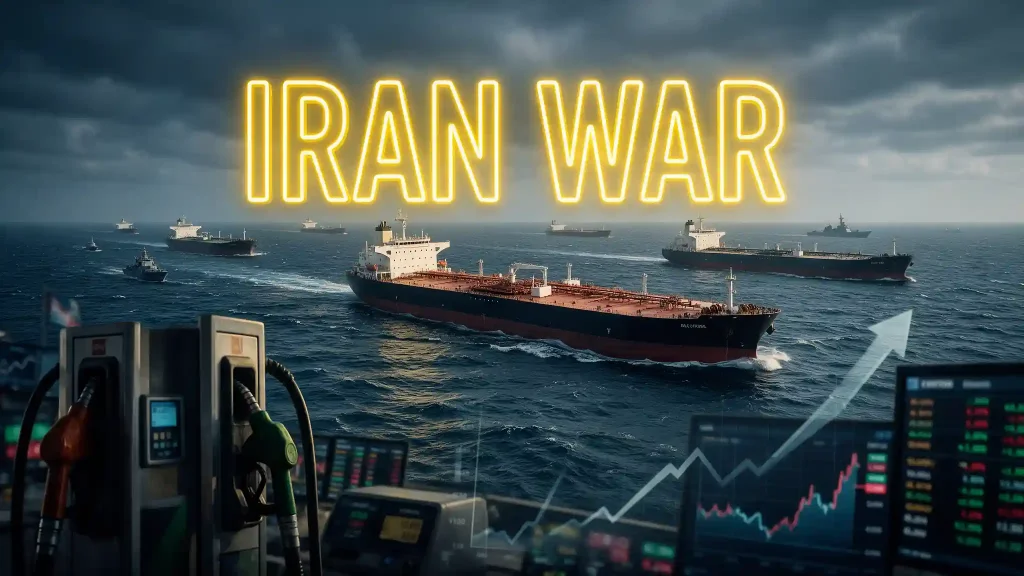


Catenaa, Tuesday, September 22, 2026- The US war with Iran has become a major contributor to higher inflation, with disruptions to oil and natural gas shipments driving up energy and transportation costs, the Congressional Budget Office said.
The nonpartisan congressional agency said the conflict added about 2.3 percentage points to the annualized rate of personal consumption expenditures inflation during the second quarter.
Overall PCE inflation ran at an annualized 5.3% during the quarter, meaning the war-related energy shock accounted for more than 40% of that increase, according to the CBO.
The agency expects the effects to persist into 2027.
First-quarter PCE inflation next year is now projected to be 0.5 percentage point higher than the CBO expected before the conflict began. Core PCE inflation, which excludes food and energy, is expected to be 0.3 percentage point higher.
The main pressure comes from reduced oil and natural gas shipments through the Strait of Hormuz and disruptions to Red Sea shipping.
Higher crude prices have also affected refining, pushing up gasoline, diesel and jet fuel costs.
Those increases spread through the economy because fuel is a major component of transportation and distribution costs.
The CBO said higher inflation is also putting upward pressure on interest rates.
Three-month Treasury bill rates are estimated to average nearly 0.2 percentage point more in 2026 than the agency projected in February.
The conflict began in February under Operation Epic Fury.
The CBO estimates US military operations had cost the Defense Department about $38 billion through August 1, including munitions replacement, equipment losses, increased flying hours and fuel.
If fighting remains at relatively low levels, the agency estimates the conflict would cost about $2 billion a month. A return to the intensity seen in July could push monthly costs to about $3 billion.
The CBO also warned that heavy use of missile-defense interceptors could leave US inventories below desired levels for several years.
The White House has disputed concerns over military readiness, saying US forces retain sufficient weapons to meet strategic requirements.
The report shows that the economic effects of the war extend beyond direct military spending.
Energy disruptions are feeding into consumer prices, interest rates and borrowing costs, making the conflict increasingly relevant to households as well as financial markets.