

October 05, 2026 – Blast is winding down after operating costs overtook revenue. Its remaining assets show why a chain’s size can mislead.
In Summary
Blast announced its shutdown on October 2.
Retrieved data shows $22.97 million in DeFi deposits and $391 in daily chain revenue.
October 26 marks the normal interface withdrawal deadline, rather than an asset forfeiture date.
Blast shutdown turns focus to cash flow
The Blast shutdown puts chain economics under the spotlight. The team announced a wind-down on October 2. It said costs exceed chain revenue. Users still need a route out for their remaining assets.
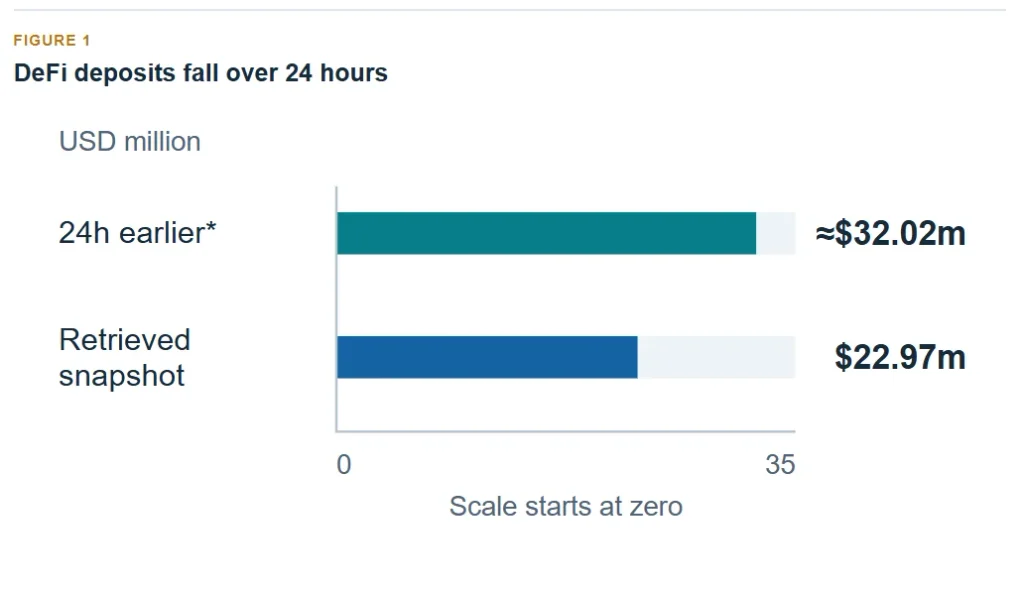
A snapshot retrieved October 4 showed $22.97 million in DeFi deposits. The page reported a 28.26% fall over 24 hours. That updates earlier shutdown reports. However, the displayed data can change.
Those rounded figures imply about $32.02 million a day earlier. This is a calculation, not a separate recorded observation. Prices can also change the dollar value of deposits. The fall cannot measure withdrawals.
Deposits are not operating income
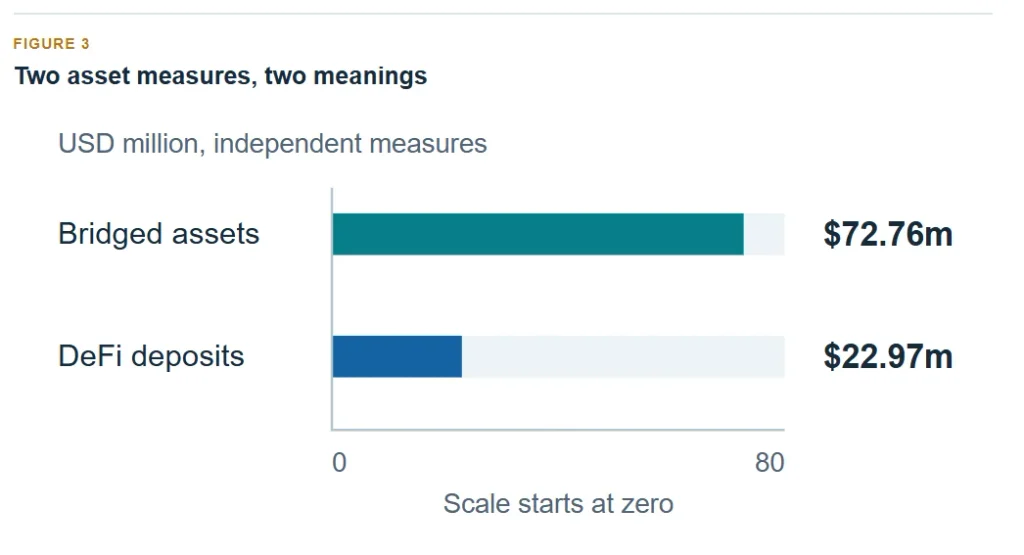
Assets held on a chain are not cash earned by its operator. The snapshot showed $72.76 million in bridged assets. That differs from the DeFi figure. Adding them would double-count some value and mix definitions.
Bridged value tracks assets brought onto the network. DeFi value tracks deposits in covered apps. Funds can move from an app to a wallet. That may change one measure without changing the other.
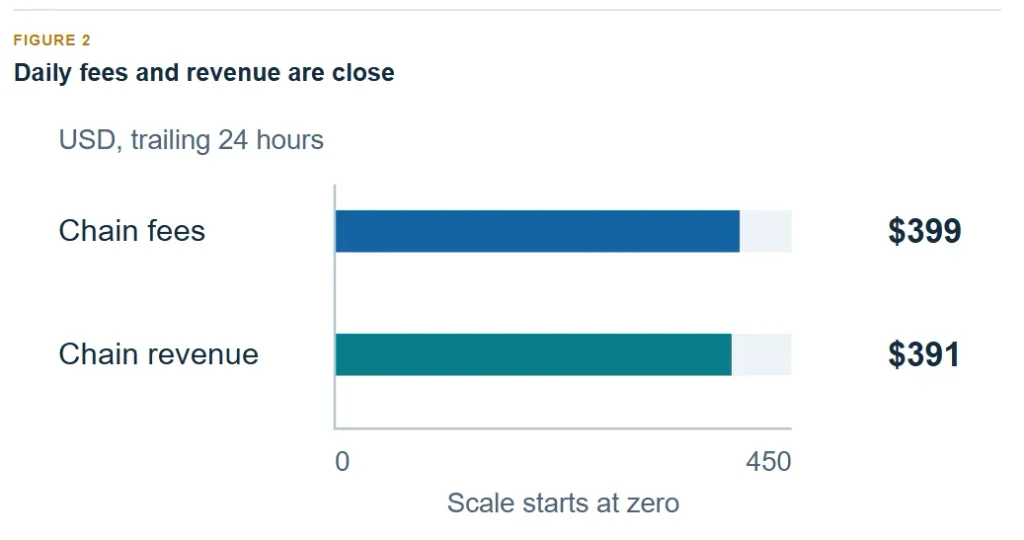
The same snapshot showed $399 in daily chain fees and $391 in revenue. Fees earned by apps are a separate measure. Combining those streams would overstate the chain operator’s income.
The revenue measure deducts Ethereum batch costs from chain gas fees. It does not deduct all business costs. Staff, security, and maintenance still need funding. So the figure does not establish net profit.
Multiplying $391 by 365 gives $142,715. That is a flat-rate example, not a forecast. Shutdown activity may briefly lift fees. Traffic can then fade while costs remain. One day’s revenue cannot predict the full year’s result.
Why useful technology can still fail
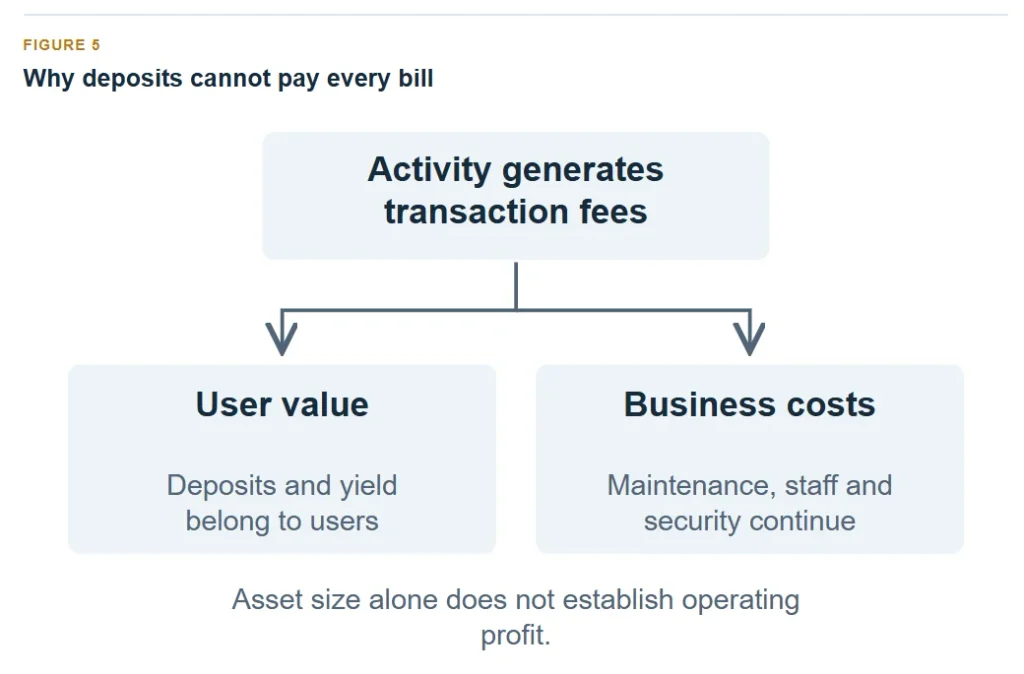
Our analysis points to a simple gap. A chain needs staff and systems even when demand falls. It must support users and guard against threats. Yet fewer transactions can leave too little income to pay those bills.
Blast’s design passes staking and stablecoin yield to users. It also shares net gas revenue with apps. Those features draw deposits. However, yield paid to users is not profit earned by the operator.
Large deposits therefore do not prove a sound business model. Funds may sit idle rather than generate fees. Rewards may draw money that leaves once incentives shrink. Growth in assets and growth in income can diverge.
An independent assessment sets out bridge and governance trust risks. These differ from the commercial reason for closure. Still, users depend on working systems to exit. That makes those risks relevant during a wind-down.
A treasury can fund losses for a time. It cannot last forever. Teams need a path from useful activity to earned fees. Money can leave quickly, while staff and systems costs may take longer to fall.
The exit process is the next test
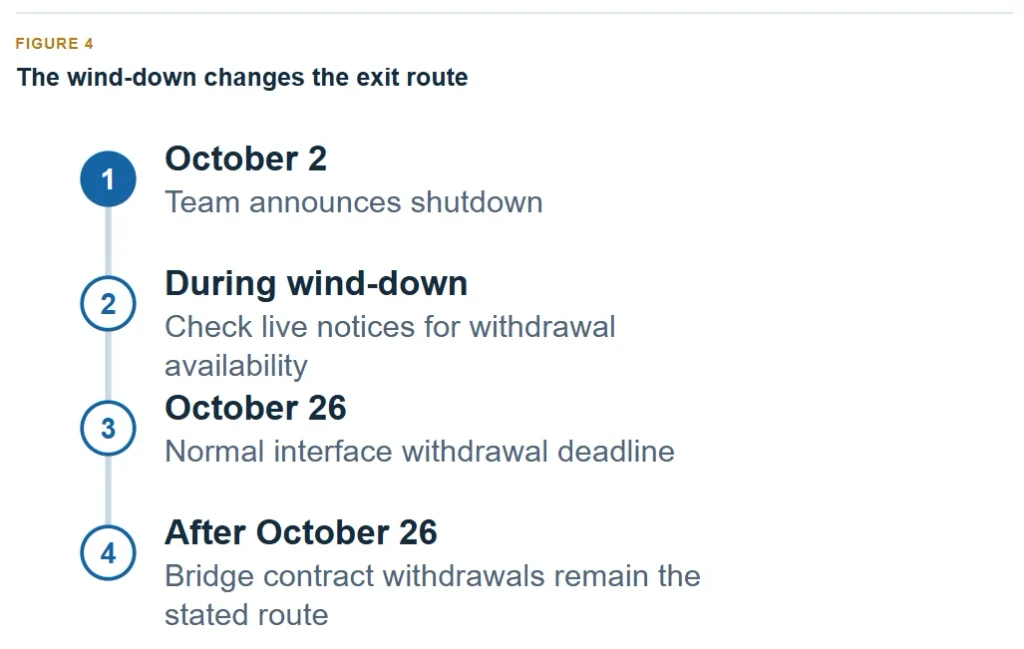
The team set October 26 as the normal interface withdrawal deadline. Later withdrawals should use bridge contracts. This changes the route, rather than marking automatic asset forfeiture. Direct contract use can be harder than a screen.
Users need the project’s live notices for timing and access. A deadline does not prove every route always works. Delays may arise during the process. Clear updates would help users plan their next steps.
App development teams face their own exit decisions. They may need to move funds, update interfaces, and explain new routes to users. Each step takes work. A network’s closure can therefore impose costs beyond the operator’s balance sheet. Keeping records of claims and successfully completed transfers would help track progress clearly.
For rival chains, gaining deposits is only the first step. They need regular users who return and pay for useful activity. Otherwise, the same gap between asset growth and fee income can emerge again.
Commercial failure and lost asset records are different problems. Both can harm users, but each needs a different response. A clear exit process can preserve claims after growth stops. Apps also need time to plan moves.
Successful exits would show that a failed business can still protect users. A disorderly exit would raise harder questions about dependence on chain operators. Completed withdrawals matter more than a brief token rebound.
Next, watch where users, apps, and funds move. Rival networks may gain traffic, but switching has costs. The Blast shutdown shows why income deserves scrutiny. Speed, rewards, and deposit growth tell only part of the story.