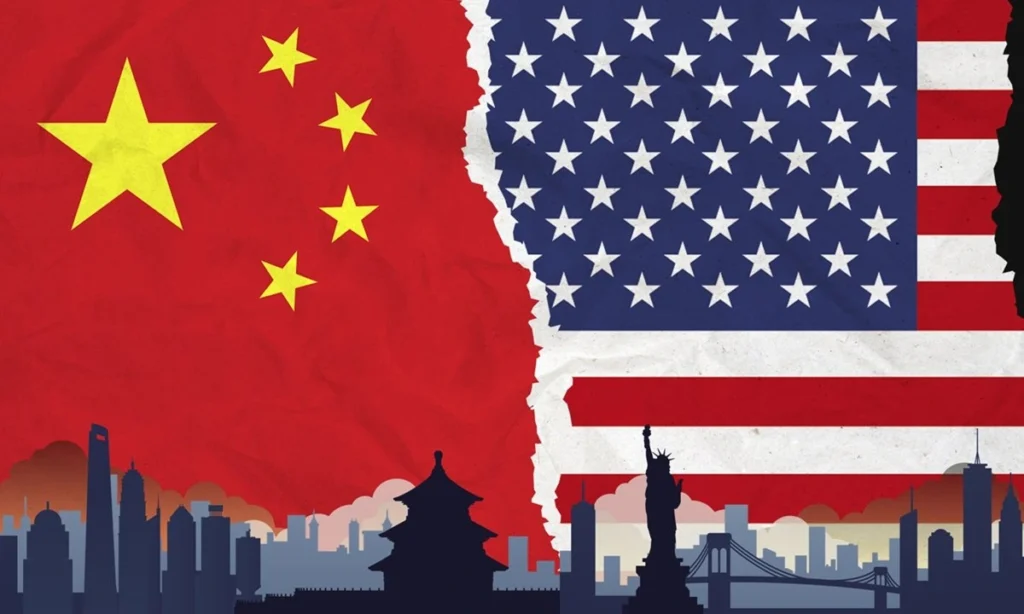


Catenaa, Monday, August 24, 2026- US to impose a 7.5% tariff on Chinese goods over alleged excess manufacturing capacity before a planned summit between Xi Jinping and Donald Trump next month.
The move would restore Trump’s second-term duties on China to around 20%, a level Beijing has previously said is consistent with its trade truce with Washington. Those come on top of other levies imposed during Trump’s first term and extended during the Biden administration.
It would mark the latest step by Trump to resurrect his protectionist trade agenda after the Supreme Court struck down his previous import taxes on products from China and dozens of other economies, while stopping short of escalating the trade conflict with Beijing beyond the agreed-upon threshold.
Exact rates have yet to be finalized, Bloomberg reported. Trump is also known to make last-minute demands or changes to trade announcements.
One option under consideration is announcing a higher duty rate for China but suspending part of it to reduce the effective rate to 7.5%, the report said.
The details of what rates would be suspended and for how long are still under negotiation, the report added. Beijing and Washington are also looking to extend their so-called trade pact, which established a one-year truce that’s set to expire on November 10.
In March, the Trump administration launched an investigation into more than a dozen major trading partners under Section 301 of the Trade Act of 1974 over excess capacity concerns. It was one of two probes that the president’s team used to replace his prior tariffs with more durable ones.
Administration officials are hoping to publish the results of the excess capacity inquiry before Trump and Xi are due to meet in Washington on September 24. The details of the overcapacity report have proven legally challenging, Bloomberg reported.
US Trade Representative Jamieson Greer told Bloomberg Television in July that the excess capacity investigation would take longer than another on forced labor due to its complexity and that the delay had nothing to do with efforts to maintain the truce with Beijing.
When asked about the tariff plans, a White House official said any announcements will come directly from the administration and that any reporting or discussion of them should be considered baseless speculation.
The Trump administration’s approach to China, its foremost geopolitical rival, stands in stark contrast to its stance toward some of the US’s biggest traditional allies. While the president has been keen not to upset his tariff truce with China, his administration applied a 50% levy on billions of dollars of Canadian products and has mused about tearing up the North American trade agreement he renegotiated during his first term.
Trump is rebuilding a tariff wall that was struck down when the Supreme Court in February ruled his global levies, issued under the International Emergency Economic Powers Act, violated the US Constitution.
The president’s temporary 10% global tariffs expired in July and were also deemed illegal by a trade court.
The administration is justifying its new global duties under the findings of its investigations into forced labor and industrial overcapacity in the economies of dozens of trading partners.
As part of that campaign, the Trump administration in July imposed a 12.5% tariff on Chinese goods, citing inadequate efforts to address forced labor practices.
While Beijing criticized the move, it stopped short of announcing retaliatory measures, instead saying Washington had agreed to cap any additional duties on Chinese exports at 20%. That clarified earlier comments that referenced tariff ceilings discussed during trade talks last year.