

Catenaa, Monday, September 14, 2026- Larry Ellison canceled his plan to sell Oracle stock worth $7.5 billion a day after he revealed the plan through a regulatory filing.
A regulatory filing revealed he had adopted a trading plan to unload up to 50 million shares worth roughly $7.5 billion. No shares changed hands before he reversed course.
“No Oracle stock was sold under that plan, and he has no other plans to sell any of his Oracle stock,” Oracle said in a statement. The company offered no explanation for the cancellation.
The trading plan, known as a 10b5-1 plan, had been adopted on June 22 and was set to expire on Oct. 24, according to The Wall Street Journal. His stake, which CNBC has previously reported, amounts to more than 40% of the company, a position the 82-year-old has held since Oracle’s early days.
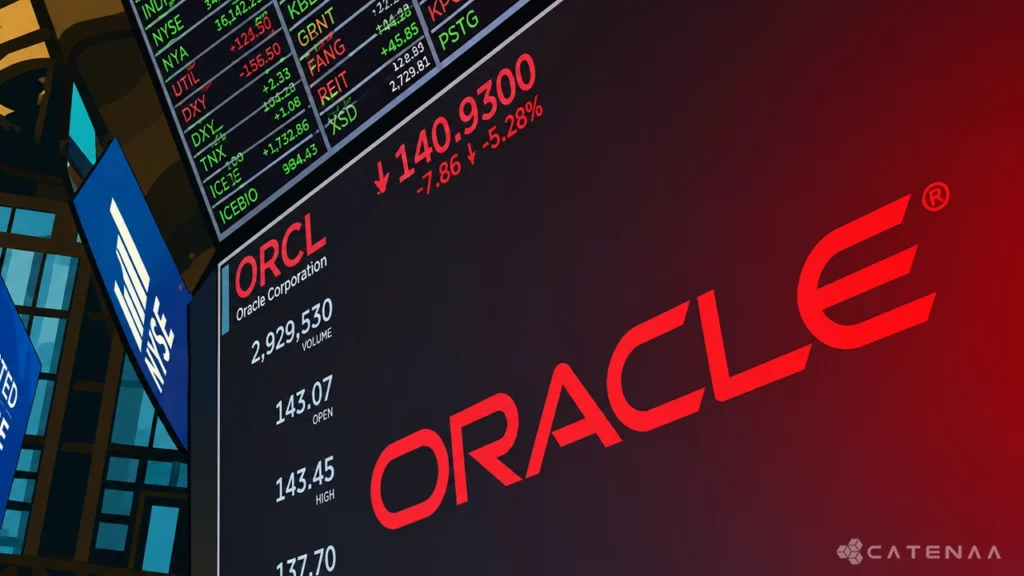
Oracle stock has fallen by 26% this year. Much of Ellison’s wealth is tied to his Oracle stake; a Wall Street Journal analysis determined that roughly 24% of his approximately $200 billion net worth had been pledged as collateral.
Oracle has been spending heavily to build out artificial intelligence data center infrastructure.
The company plans to raise approximately $40 billion through a combination of borrowing and equity issuance in the current fiscal year, following capital expenditures of $55.7 billion in fiscal 2026 that left it with a cash outflow of $23.7 billion more than it generated. Oracle’s total debt now stands at $125 billion.
In its most recent quarter, Oracle reported cloud infrastructure revenue that more than doubled, rising 121% to $7.4 billion.
Overall revenue grew 30% year over year to $19.35 billion, and the company raised its full-year fiscal 2027 revenue outlook to a minimum of $90 billion.
Ellison has committed more than $40 billion of his own wealth to finance his son David Ellison’s effort to take over Warner Bros. Discovery in a transaction that carries a price tag of nearly $80 billion, according to The Wall Street Journal. That proposed acquisition is being contested in court over antitrust concerns, according to CNBC.