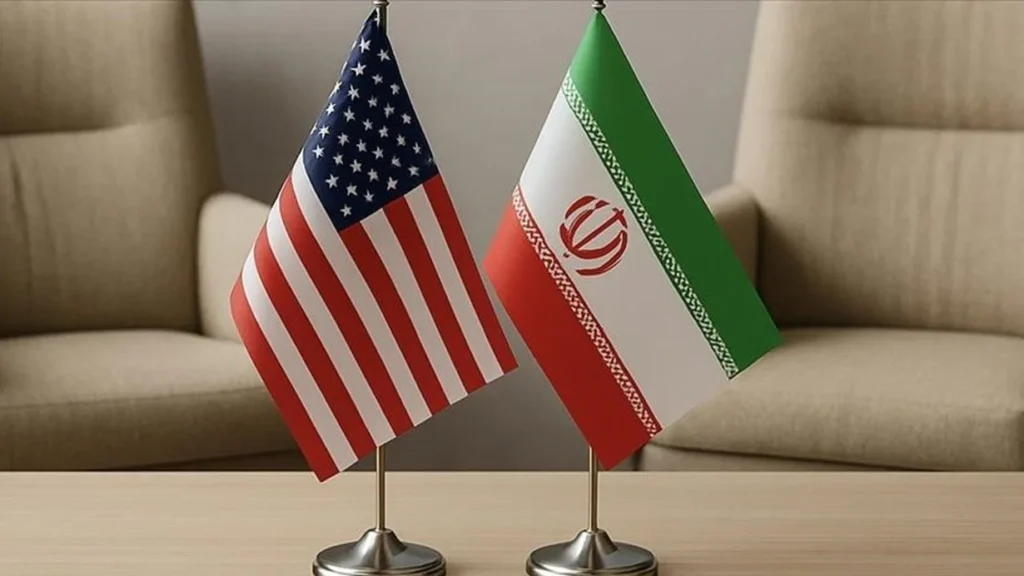


Catenaa, Monday, May 25, 2026- US President Donald Trump said negotiations with Iran over an interim deal to extend their ceasefire and reopen the Strait of Hormuz were “proceeding nicely.”
Trump’s comments, made in a Truth Social post on Monday in which he also urged Saudi Arabia, Qatar, and other countries to join the Abraham Accords, added to signals that the US and Iran are nearing an agreement.
Pakistan’s military chief, Asim Munir, the main interlocutor between the warring sides, told China an agreement is “close to being reached.”
Meanwhile, an Iranian delegation led by Parliament Speaker Mohammad Bagher Ghalibaf traveled to Doha to consult with senior Qatari officials on the negotiations.
The Iranian central bank governor, Abdolnaser Hemmati, was part of the group and was set to discuss the release of frozen Iranian funds, the Fars news agency reported.
Even so, the US and Israel still need to finalize key details, including whether ships transiting the Hormuz Strait will be allowed free passage and how quickly billions of dollars of Iranian funds will be unfrozen.
Iran has stuck to its position from early in the war, which erupted with US-Israeli attacks in February, that it must be able to manage maritime traffic through the crucial chokepoint. The US, Arab states, and Europe say that it cannot be allowed.
Iran has in recent days shifted away from the idea of charging tolls. It will instead charge vessels for “navigation services,” a foreign ministry spokesman said on Monday.
The US and Iran have been negotiating a deal that would see them extend their ceasefire for around two months, with the US lifting a naval blockade of Iranian ports and Tehran reopening Hormuz in that time frame.
Iran insists the truce must cover “all fronts,” including Lebanon, where Israel is fighting Tehran-backed Hezbollah militants. Israel, which is not part of negotiations with Iran, has pushed back on the idea.
An interim pact would go a long way to ending a war that’s killed thousands of people across the Middle East, mainly in Iran and Lebanon. The conflict has also put pressure on Trump at home, with most Americans against it, in part because of soaring fuel prices.
A longer truce would calm the Middle East and ease the concerns of countries such as Saudi Arabia and the United Arab Emirates, which Iran fired thousands of missiles and drones at before the pause in hostilities began on April 8. Those nations, as well as Qatar, have urged Trump not to restart fighting.
Yet Iran and the US would still need to negotiate curbs on Tehran’s nuclear program after any interim agreement. Those talks will be complicated, and there’s no guarantee they will be successful.
The US insists Iran must hand over more than 400 kilograms (882 pounds) of highly-enriched uranium, which it fears could be used to build an atomic weapon. It also wants Iran to commit to ceasing enrichment for around 20 years.
Trump’s call for more states to join the Abraham Accords, which saw the UAE and a few other Arab countries formally recognize Israel from 2020, could be a way for him to appease the hawks.
The Saudis and Qatar have long said they won’t recognize Israel until it grants statehood to Palestinians in Gaza and the West Bank, or makes moves in that direction.




