


April 20, 2026 – Sberbank is technically prepared to serve 110M+ customers. Regulation is the only thing missing, and it’s arriving by July 2026.
In Summary
Sberbank, Russia’s largest bank, declares full readiness for crypto custody and trading services.
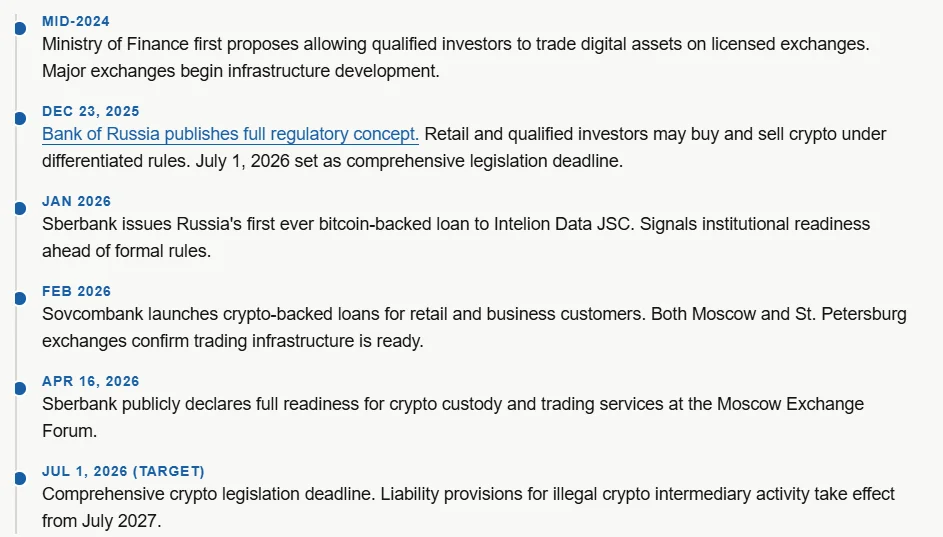
The bank already issued Russia’s first bitcoin-backed loan to miner Intelion Data in January 2026.
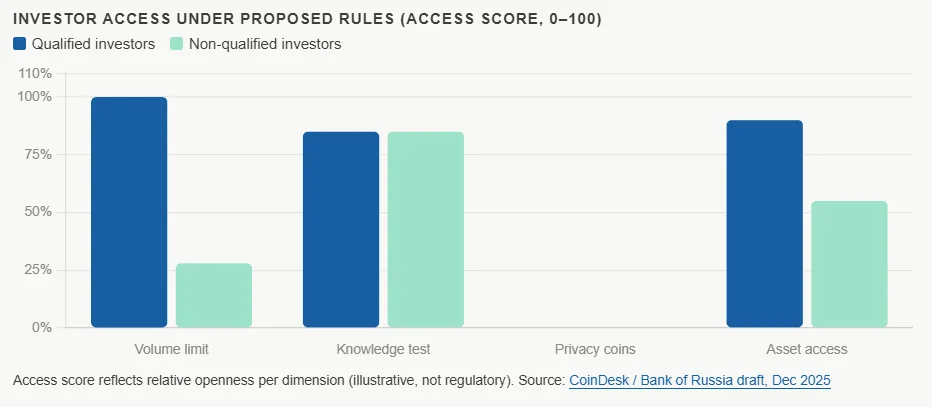
Non-qualified investors face a $3,800 annual cap. Qualified investors face no volume limit.
Moscow and St. Petersburg have both confirmed their readiness for crypto trading before the regulation is finalized.
Russia targets July 1, 2026, for comprehensive crypto legislation. Western sanctions are accelerating this shift.
Sberbank, Russia’s largest bank by assets, has declared full readiness to offer cryptocurrency custody and trading services. It is awaiting one thing: formal regulatory approval from the Bank of Russia. That approval is now closer than ever.
Ruslan Vesterovsky, Sberbank’s Senior Vice President and Head of Wealth Management, made the announcement at the Moscow Exchange Forum on April 16. He stated that the bank’s infrastructure is fully built out. Planned services include margin trading, crypto custody, and AI-driven investment strategies. These will be available to Sberbank’s 110 million retail customers the moment rules go live.
“Traditional infrastructure is ready to offer clients new opportunities, margin trading, and investment strategies, including those based on AI.”
— Ruslan Vesterovsky, Sberbank SVP, via TASS, April 16, 2026
From Ban to Banking: Russia’s Crypto U-Turn
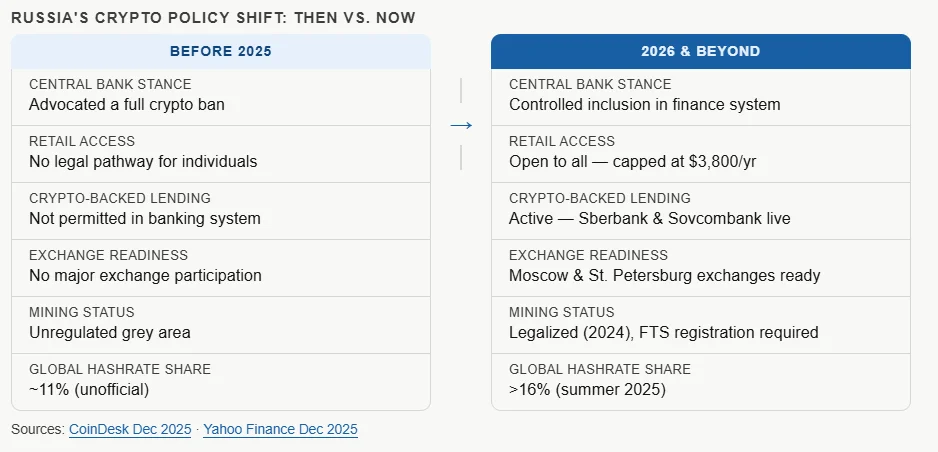
Russia’s relationship with cryptocurrency has undergone a dramatic reversal. The Bank of Russia previously advocated for an outright ban on crypto exchanges and token trading. That position softened steadily under the pressure of Western sanctions, which cut Russian banks off from SWIFT and global capital markets. Digital assets offered a parallel financial rail. Policymakers took note.
In December 2025, the Bank of Russia published a regulatory concept that opened cryptocurrency trading to both qualified and non-qualified investors. It set July 1, 2026, as the deadline for comprehensive legislation. The shift was swift and deliberate.
The Regulatory Framework: Who Gets What
The Bank of Russia’s December draft establishes a clear two-tier system. Non-qualified investors and ordinary retail customers face an annual purchase cap of 300,000 rubles, roughly $3,800, per intermediary. They must also pass a mandatory risk-awareness test before trading. Privacy coins that conceal transaction data will remain prohibited for this group.
Qualified investors face no volume restrictions. They must also demonstrate knowledge of crypto risks through testing. However, they remain barred from anonymous tokens. All domestic crypto transactions will be subject to mandatory tax reporting. And regardless of investor type, cryptocurrencies will never serve as legal tender inside Russia. State Duma Committee Chairman Anatoly Aksakov confirmed this: digital assets are investment tools, not currency.
Sberbank’s Head Start: Pilots and Products Already Running
Sberbank is not waiting idly for regulation to arrive. The bank issued Russia’s first bitcoin-backed loan in January 2026 to Intelion Data JSC. Intelion is one of Russia’s largest crypto mining firms. It manages over 300 MW of power capacity and serves more than 1,500 customers across the country. The loan was secured using domestically mined cryptocurrency via Sberbank’s Rutoken hardware storage.
Beyond lending, Sberbank’s digital asset platform has already processed over 160 tokenised issuances. These include first-of-kind products linked to real estate and oil. Deputy Chairman Anatoly Popov confirmed the bank is also testing decentralised finance (DeFi) instruments. These moves position Sberbank as the most advanced institutional crypto actor in Russia well ahead of the regulatory calendar.
Competitive Landscape: An Industry Moving in Unison
Sberbank is not operating in isolation. Sovcombank launched bitcoin-backed loans for individuals and businesses on February 5, 2026, one day before Sberbank’s own lending announcement. Both the Moscow Exchange and the St. Petersburg Exchange have separately confirmed they possess the necessary technological infrastructure for crypto trading and settlements. They are waiting only for legislation to be enacted to activate their services.
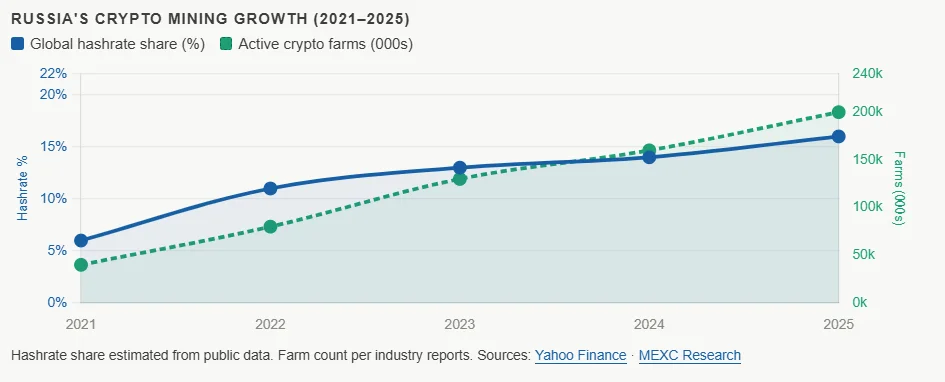
Russia’s mining sector underpins this momentum. The country held over 16% of the global Bitcoin hashrate during the summer months of 2025. Daily mining revenue is estimated at approximately 1 billion rubles. Nearly 200,000 crypto farms operate nationwide, with firms like Intelion and Bitriver controlling over 50% of the domestic market. Legitimising crypto banking services is a natural extension of this industrial base.
Regulatory Timeline: The Road to July 2026
The Bottom Line
Sberbank’s announcement marks a turning point for Russia’s financial system. The country’s largest bank, with over 110 million customers, is fully ready for the crypto era. The regulatory framework, the exchanges, and the banks are all converging on the same date: July 2026. When the rules go live, Russia’s largest bank will be positioned to move on day one. For millions of ordinary Russians, that means institutional crypto access through a trusted, state-backed channel, a scenario that would have been unthinkable just three years ago.




