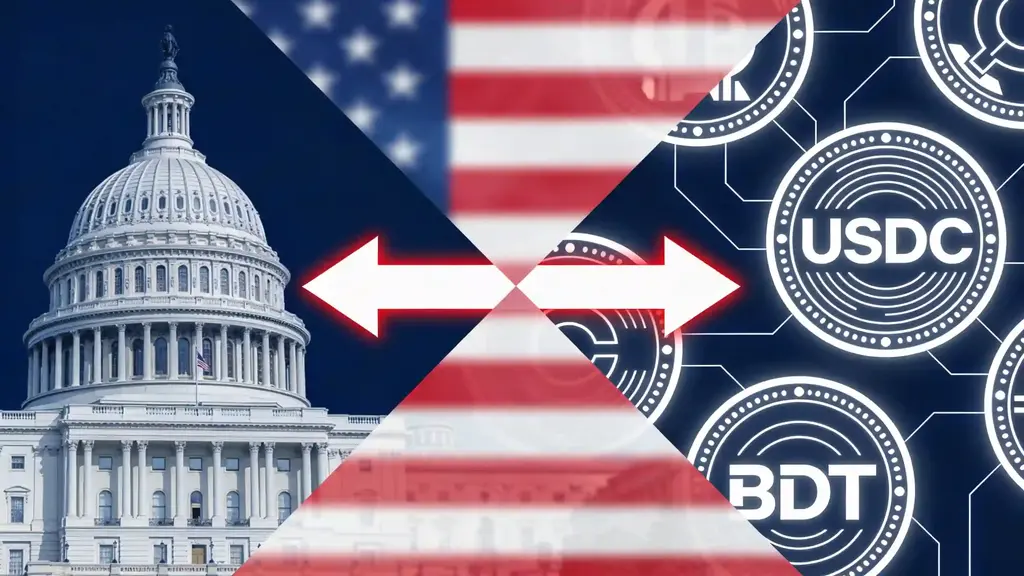


Catenaa, Wednesday, May 06, 2026- A growing dispute between major banking groups and crypto firms over stablecoin yield rules is raising doubts about whether the US Congress can pass the Clarity Act this year, according to analysis from TD Cowen.
Ironically, on Monday, reports said that the Senate has agreed on the language and the bill was clear to be signed.
Banking trade groups representing large and small institutions formally opposed a proposed compromise on stablecoin yield this week. The plan would ban interest-like returns but still allow transaction-based rewards.
Groups including the American Bankers Association and Bank Policy Institute said the proposal does not go far enough. Their opposition adds pressure on lawmakers already facing tight legislative timelines.
Analysts warn the divide could delay committee review into June. That leaves limited time before the August congressional recess, seen as a practical deadline for passage.
The Dispute
The dispute centers on how stablecoins should function within the financial system. Banks argue that any form of yield could draw deposits away from traditional accounts.
Crypto firms, by contrast, want flexibility to offer incentives tied to platform use. These rewards help retain users and support transaction activity within digital ecosystems.
The compromise put forward by lawmakers attempts to separate deposit-like interest from usage-based rewards. Yet both sides remain dissatisfied, deepening the policy impasse.
More Complications
The standoff risks delaying broader crypto regulation in the US. The Clarity Act is intended to define oversight roles for agencies and create a framework for digital assets.
Without agreement, regulatory uncertainty may persist. Companies could face delays in launching products or expanding services tied to stablecoins.
Banks appear to hold leverage through parallel regulatory channels. Proposed rules under the GENIUS Act could limit yield regardless of congressional action.
A prolonged delay could shift momentum to regulators rather than lawmakers. That may result in stricter interpretations without industry compromise.
Policy analysts say the conflict reflects deeper structural tensions. Stablecoins blur the line between banking products and digital tokens.
Observers note that crypto platforms rely on incentives to maintain liquidity. Removing yield options may reduce their competitive edge against traditional finance.
At the same time, banking groups view stablecoin yield as a direct threat to deposit stability. Their unified stance increases political influence in legislative negotiations.
Some analysts suggest the absence of a middle ground could stall progress entirely. Others expect last-minute revisions as deadlines approach.
The stablecoin yield debate has emerged as a central obstacle in US crypto legislation. Lawmakers face mounting pressure to reconcile competing interests within a narrow timeframe.
Failure to reach consensus could delay reforms into the next election cycle. That would extend uncertainty for both financial institutions and digital asset firms.
Efforts to regulate stablecoins have intensified over the past several years as their use expanded across trading, payments, and decentralized finance. These tokens are typically pegged to the US dollar and backed by reserves.
Early proposals focused on ensuring reserve transparency and consumer protection. Over time, attention shifted to how stablecoins interact with the banking system.
Concerns grew among regulators and banks that yield-bearing stablecoins could function like unregulated deposits. This raised questions about financial stability and oversight.
At the same time, crypto companies built business models around rewards and incentives. These programs encourage users to hold and transact with stablecoins on their platforms.
The Clarity Act represents a broader attempt to define rules for digital assets in the US. Its progress has been shaped by competing priorities, including market innovation, consumer safeguards, and financial system risk.
The current dispute over yield reflects these tensions. Its resolution may determine not only the fate of the bill but also the future structure of the stablecoin market.




