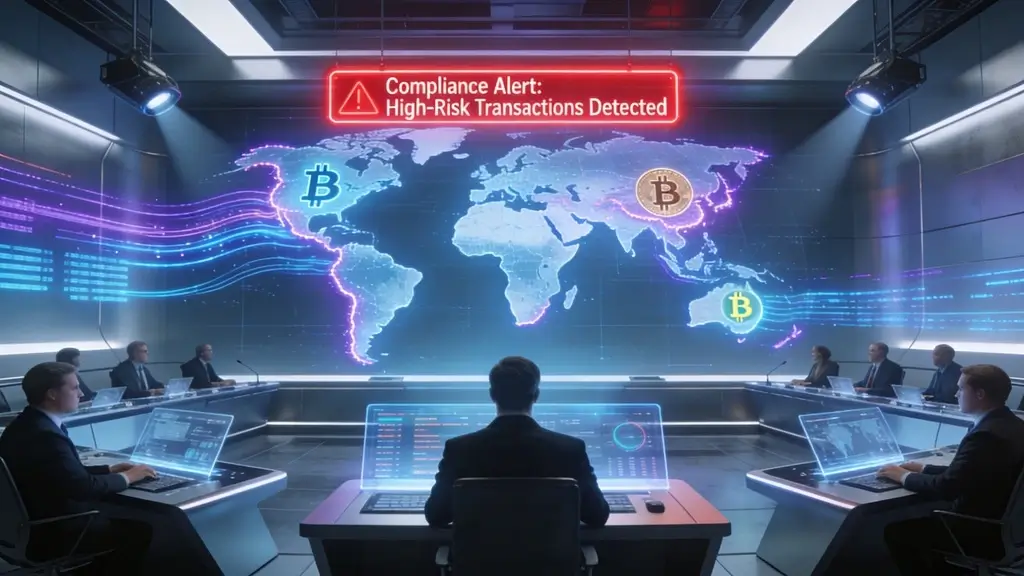


Catenaa, Sunday, May 17, 2026- South Korea passed new legislation Friday tightening oversight of businesses transferring cryptocurrencies across borders, expanding the government’s monitoring powers as regulators intensify scrutiny of digital asset markets.
The amendment to the Foreign Exchange Transactions Act requires firms handling overseas crypto transfers to register with the Minister of Economy and Finance while establishing a new legal category covering cross border virtual asset transfer businesses including exchanges and custody providers.
The amendment was approved during a plenary session of South Korea’s National Assembly and is part of a broader push to strengthen supervision of crypto related financial activity.
Under the revised framework, companies conducting crypto transfers involving overseas counterparties through sales, purchases or exchanges will face new registration requirements. The law specifically targets businesses operating international crypto transaction services rather than individual retail users.
South Korean authorities said the changes are intended to improve monitoring of cross border crypto flows and strengthen financial oversight capabilities.
The update follows a series of recent regulatory measures targeting crypto transactions inside the country. South Korea’s Financial Services Commission recently announced plans to expand Travel Rule requirements to cover all cryptocurrency transfers regardless of size.
Current rules only require exchanges to collect sender and recipient information for transactions exceeding 1 million won, or roughly $681.
The latest legislation signals South Korea’s continued shift toward tighter crypto regulation as authorities seek greater control over capital flows and anti money laundering compliance.
Analysts said cross border transfers remain one of the most difficult areas for regulators because blockchain transactions can move quickly between jurisdictions outside traditional banking oversight systems.
The expanded registration requirements could increase compliance costs for crypto exchanges, custody firms and payment providers operating internationally from South Korea.
Industry groups have already expressed concern that broader reporting requirements may slow transaction processing and reduce trading efficiency during volatile market conditions.
At the same time, regulators argue tighter oversight is necessary to reduce financial crime risks and improve transparency surrounding digital asset transfers.
Researchers tracking Asian crypto policy noted that South Korea remains one of the world’s most active retail crypto markets, making regulatory developments in the country closely watched across the broader industry.
Policy analysts said the amendment reflects growing coordination between financial regulators and tax authorities as governments worldwide seek stronger oversight of digital asset activity.
Market researchers noted that South Korea has repeatedly delayed implementation of formal crypto taxation rules because of operational and regulatory challenges. Authorities recently confirmed a 22% tax on crypto gains exceeding 2.5 million won will still take effect beginning in January 2027.
Industry observers warned that stricter transaction monitoring could push some trading activity toward offshore platforms or decentralized finance systems less exposed to domestic regulation.
At the same time, analysts said institutional investors may ultimately view stronger compliance frameworks as a positive step toward improving legitimacy and long term stability in the South Korean crypto market.
South Korea’s latest legislation highlights the growing global trend toward tighter oversight of cryptocurrency transfers, especially involving cross border transactions and institutional activity.
The government’s expanding regulatory framework reflects increasing efforts to integrate digital assets into existing financial supervision systems while reducing risks tied to money laundering, tax avoidance and capital flight.
As implementation moves forward, crypto exchanges and custody firms operating in South Korea are expected to face rising compliance demands alongside broader government monitoring of blockchain based financial activity.
South Korea has long been one of the largest retail cryptocurrency markets globally, with high participation among individual traders and strong domestic exchange activity. The country previously introduced strict real name trading requirements and exchange licensing rules after concerns about speculation and financial crime emerged during earlier crypto market booms. Regulators have since expanded oversight gradually through anti money laundering standards, reporting obligations and transaction monitoring systems. The Travel Rule framework, developed through international Financial Action Task Force standards, became a central part of crypto compliance by requiring exchanges to share transaction information between institutions. South Korea has also repeatedly debated crypto taxation policy, delaying implementation several times amid industry opposition and concerns about technical readiness. The latest cross border transfer legislation reflects growing efforts by governments worldwide to regulate digital asset flows more similarly to traditional financial transfers.