


May 10, 2026 – The Barron’s 2025 Top 250 ranking spotlights the advisory teams serving ultra-high-net-worth families. Behind the list lies a sweeping structural shift in global private wealth.
In Summary
Barron’s expanded its list to 250 teams in 2024, signalling the shift to team-based UHNW advisory as the new standard.
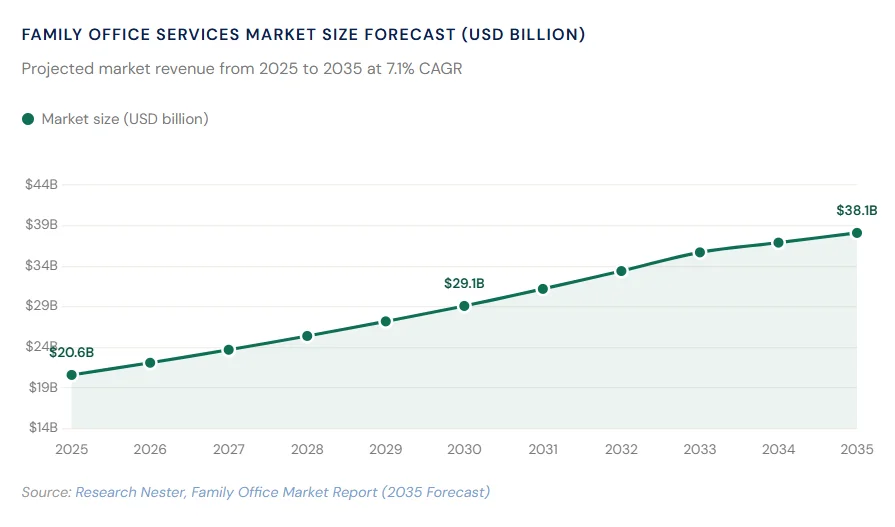
Family offices manage over $10 trillion globally. The sector is growing at a 7.1% CAGR through 2035.
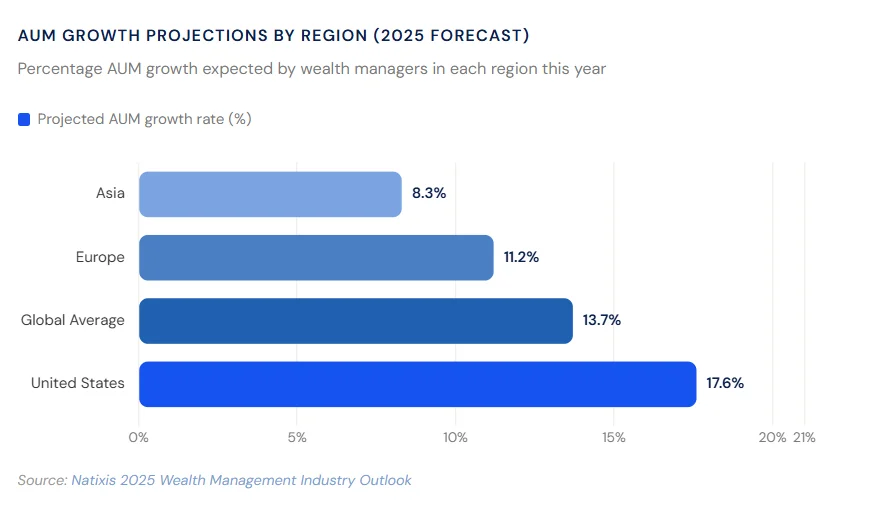
US advisors project 17.6% AUM growth in 2025, well above the global average of 13.7%.
$124 trillion in wealth will transfer between generations by 2048, reshaping all advisor priorities.
Independent RIA headcount will grow 12% over three years as top advisors exit wirehouses for boutique models.
Private wealth management is undergoing a deep structural transformation. The Barron’s 2025 Top 250 Private Wealth Management Teams ranking clearly reflects this shift. Advisory teams now command unprecedented influence over global capital. Their role extends far beyond managing investment portfolios. It now spans tax strategy, estate planning, philanthropy, and family governance.
The ranking evaluates teams on several measurable criteria. Regulatory records, member credentials, and available client resources all factor in. Candidates complete a 102-question survey about their practice. Barron’s then verifies each submission against firm data and regulatory databases. No ranking fee influences the results.
The list was formerly capped at 100 teams. Barron’s expanded it to 250 in 2024. This expansion signals a clear industry-wide acknowledgment. Teams, not solo advisors, define the modern standard for UHNW service. Clients with complex, multigenerational needs require collaborative expertise.
Family Offices Drive the Rankings Shift
Family offices occupy the centre of elite wealth management today. Global family offices manage over $10 trillion in assets as of 2025. The family office services market itself is valued at $20.6 billion this year. It is projected to reach $38.1 billion by 2035. That represents a compound annual growth rate of 7.1%.
This demand is fueled by a growing ultra-wealthy population. The global HNWI count reached 53 million individuals in early 2025. Combined HNWI wealth stood at approximately $90.5 trillion in 2024. The United States added 562,000 new millionaires in 2024 alone. That is a 7.6% year-on-year increase.
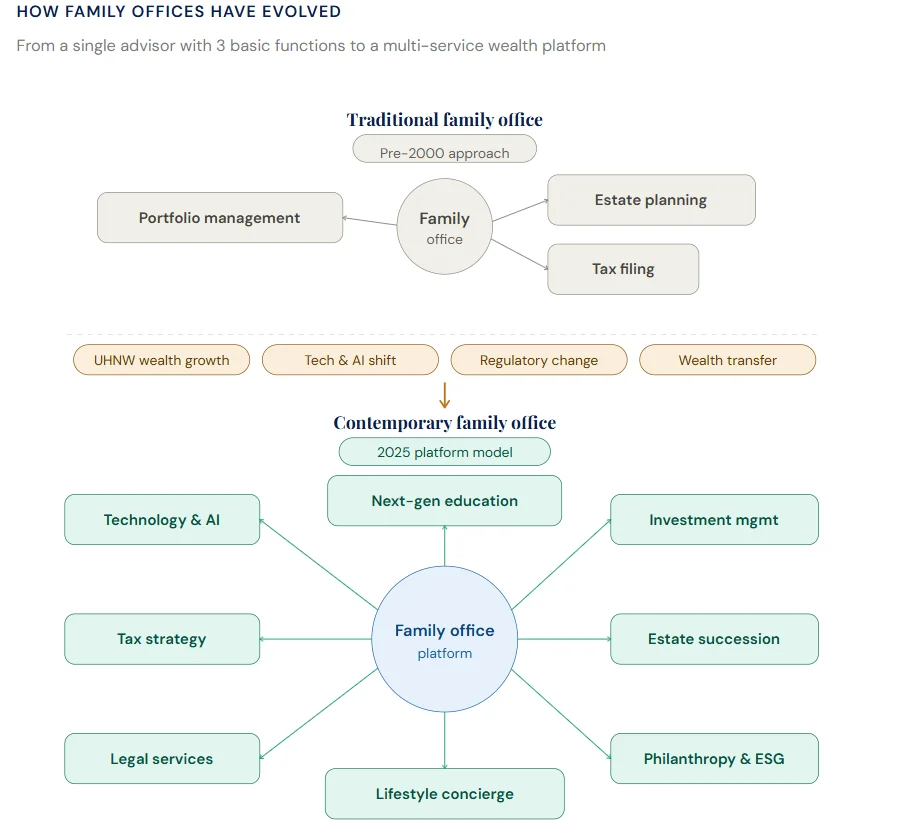
Top-ranked advisory teams now mirror the structure of full family offices. Their services include estate planning, tax management, and philanthropic advising. Lending, legal coordination, and lifestyle concierge services are increasingly common. This breadth of offering is now the baseline expectation for UHNW clients. Teams that cannot match it are losing mandates.
“Teams that win the rankings are not simply investment managers. They are comprehensive family stewardship platforms built for multigenerational wealth.”
The Breakaway Advisor Trend Accelerates
A powerful structural change is reshaping who manages elite wealth. Many top-ranked advisors are leaving large wirehouses for independent platforms. Independent RIA headcount is set to grow nearly 12% over the next three years. Wirehouse advisor numbers will simultaneously fall by 5.7%.
The appeal of independence is straightforward. Advisors gain autonomy, fee transparency, and equity ownership. They can build boutique environments tailored to ultra-wealthy clients. These firms deliver services comparable to single-family offices. In 2025, 10% of all financial advisors are expected to switch firms.
This talent mobility is intensifying competition among the top 250-ranked teams. Clients follow advisors they trust. Teams offering the widest range of services are best positioned to retain assets. The breakaway movement is not slowing. It is accelerating across all segments of the UHNW advisory space.
The Great Wealth Transfer Reshapes Priorities
Succession planning is now a defining issue in private wealth. Bank of America’s 2025 Family Office Report reveals a striking finding. Sixty per cent of family offices expect next-generation leadership within a decade. An estimated $124 trillion will transfer between generations by 2048.
However, 73% of offices with less-involved principals expect their mission to change after the transition. This represents a significant risk of asset disruption for advisors. Top-ranked teams are building continuity frameworks to address generational change. Barron’s ranking criteria now reflect institutional depth as a key factor. Teams with strong governance structures score higher overall.
Technology Is Becoming a Core Differentiator
Artificial intelligence is rapidly entering private wealth management. Nine out of ten family offices believe AI can enhance investment returns. Half have already experimented with AI-based tools in 2025. Natixis reports that 79% of wealth managers expect AI to accelerate earnings growth over the next decade.
Robo-advisors now manage over $1 trillion in client assets. This figure could approach $2 trillion within two years. Yet human relationships remain paramount in UHNW wealth management. Technology enhances but does not replace the trusted advisor relationship. Top-ranked teams blend digital efficiency with personalised, concierge-level service.
PwC’s 2025 Global Asset and Wealth Management Report projects global AUM will surge from $139 trillion in 2024 to $200 trillion by 2030. That represents a 6.2% compound annual growth rate. Private market revenues will reach $432.2 billion by 2030. This will account for over half of the industry’s total global revenues.
What the Rankings Signal for the Industry
The Barron’s Top 250 list is more than a prestige marker. It is a directional signal for the entire industry. Team-based, multi-service advisory models are winning mandates. Solo advisors serving ultra-wealthy clients are becoming the exception rather than the norm.
Private wealth management is consolidating around specialised, resource-rich teams. These teams blend investment expertise with legal, tax, and lifestyle services. For ultra-high-net-worth families, this integrated approach is no longer optional. It is now the standard expectation across all major wealth markets.
Advisors who wish to remain competitive must evolve their practice. Building team depth, expanding service offerings, and embracing technology are all essential. The firms that make this transition successfully will define the next era of elite wealth management globally.




