

April 25, 2026 – Anthropic’s landmark Amazon deal dominated headlines. But the week’s other rounds tell a richer story about where smart capital is flowing.

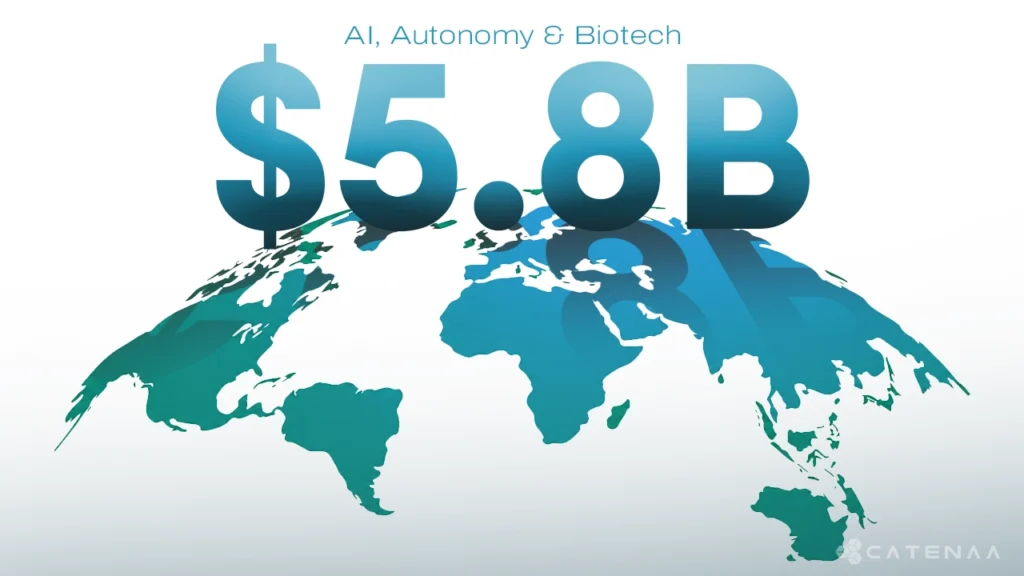
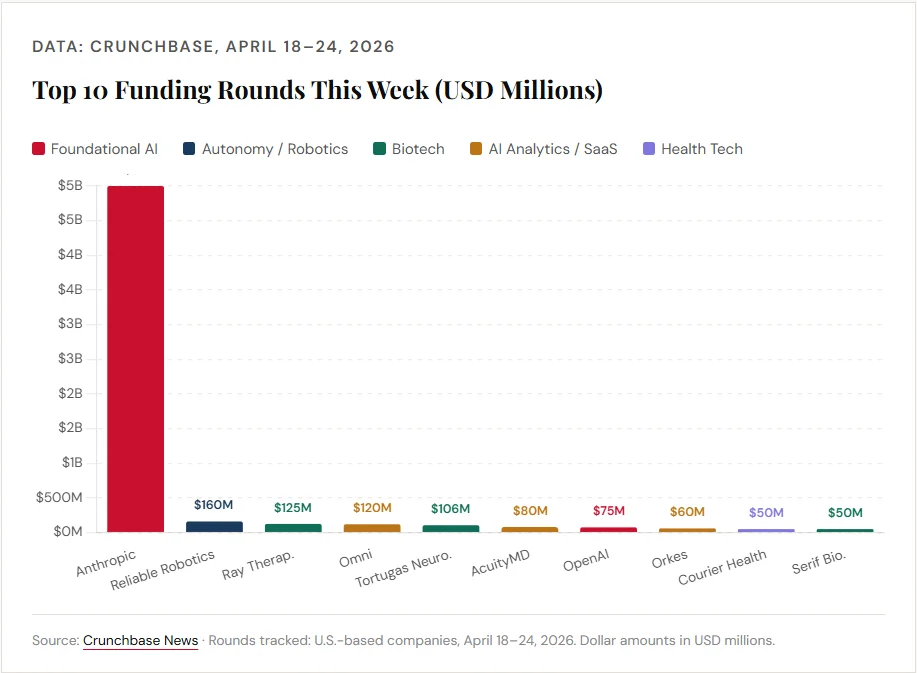
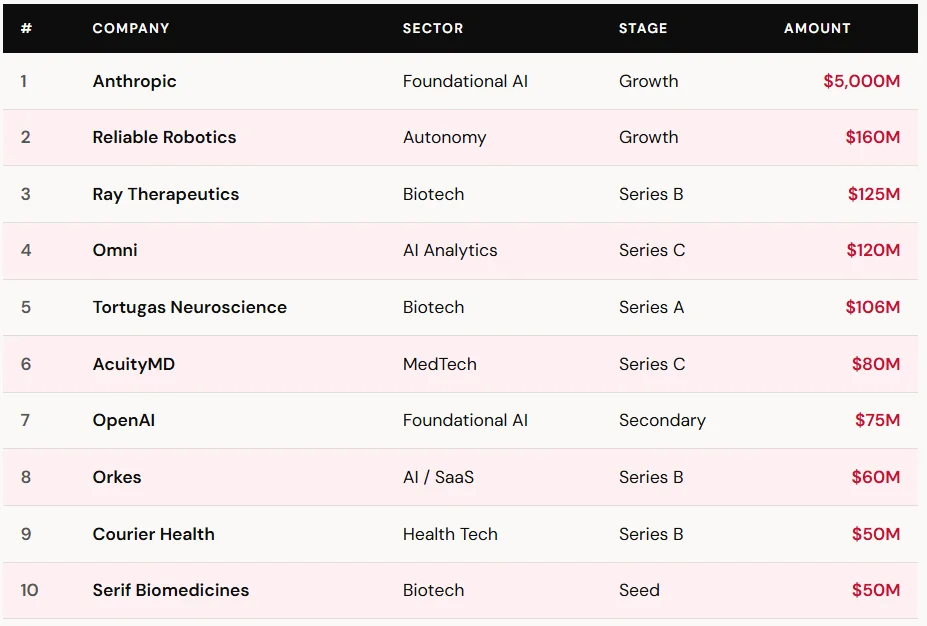
The week ending April 24, 2026, was defined by scale. According to Crunchbase News, just five of the top 10 rounds crossed $100 million. Yet total disclosed capital still hit roughly $5.8 billion. One company accounted for nearly 86% of that sum.
Anthropic’s $5B Amazon Deal: What It Actually Means
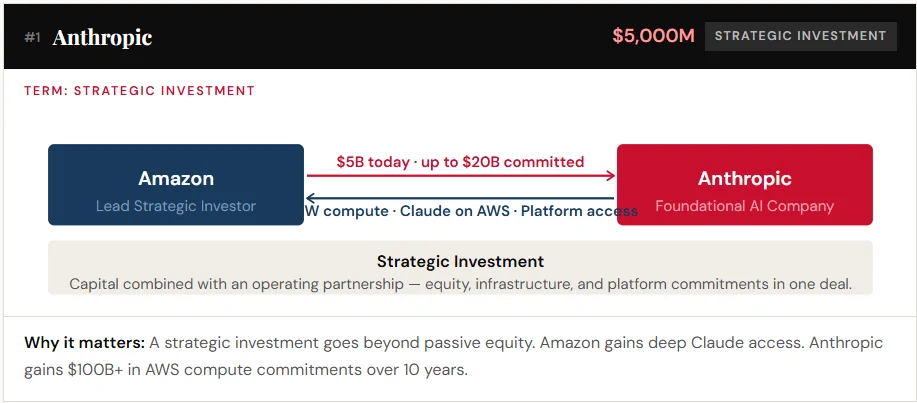
Anthropic secured a fresh $5 billion from Amazon. The company’s official announcement confirmed Amazon had previously invested $8 billion. The new round brings Amazon’s total commitment to $13 billion, with up to $20 billion more on the table.
This is not a passive investment. The deal includes a major infrastructure play. Anthropic committed more than $100 billion over the next decade to AWS technologies. In return, the company gains access to up to 5 gigawatts of compute capacity. That scale is essential. Anthropic’s run-rate revenue has surpassed $30 billion annually. That figure was just $9 billion at the end of 2025.
Anthropic’s annualised revenue grew from $9B to $30B+ in just one year. Over 100,000 customers now run Claude on Amazon Bedrock.
The partnership also unlocks strategic differentiation. Claude becomes the only frontier AI model across all three major cloud platforms. That includes AWS Bedrock, Google Cloud Vertex AI, and Microsoft Azure Foundry. No other foundational AI model holds that position.
Beyond Anthropic: A Richer Funding Landscape
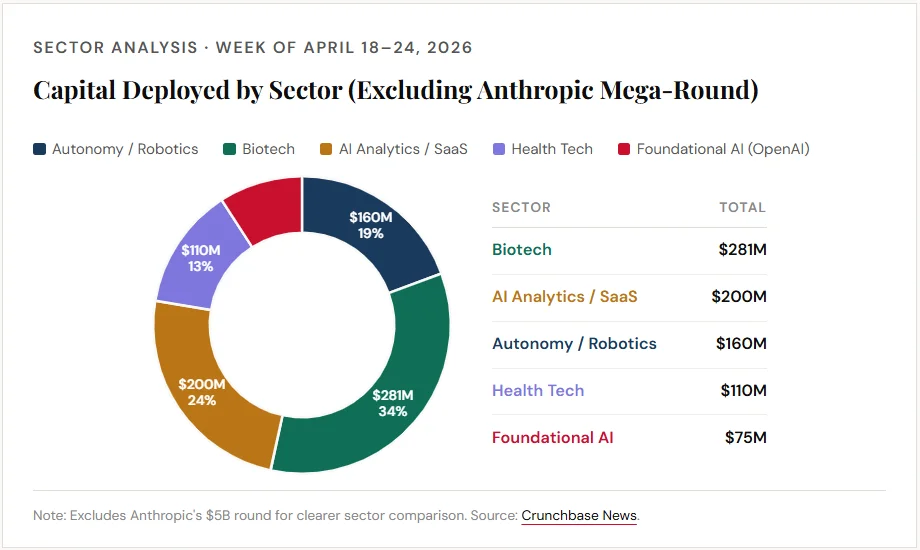
Strip out the Anthropic mega-deal. What remains is still instructive. Three distinct themes emerge: autonomous systems, biotech breakthroughs, and AI-powered analytics.
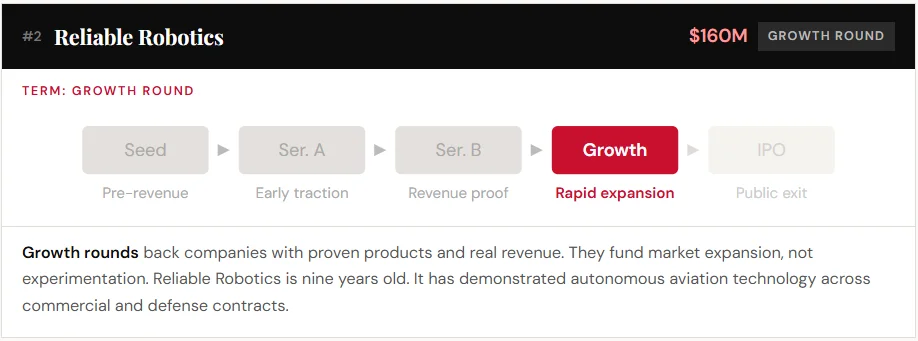
Autonomous aviation claimed second place this week. Reliable Robotics raised $160 million. The Mountain View-based startup has spent nine years building autonomous aircraft systems. Its technology serves both commercial and defence aviation. Lead investor Nimble Partners backed the round.
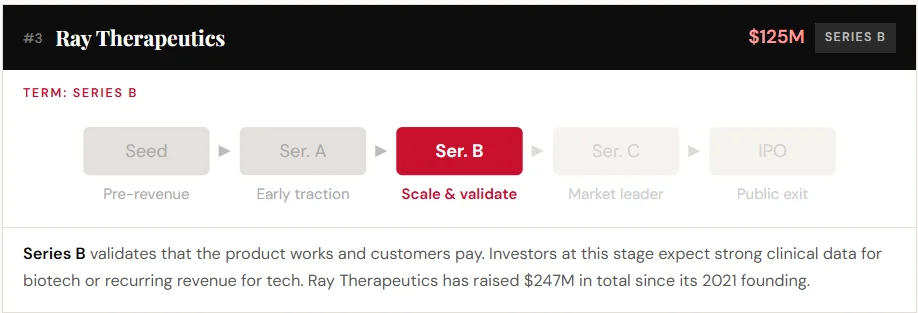
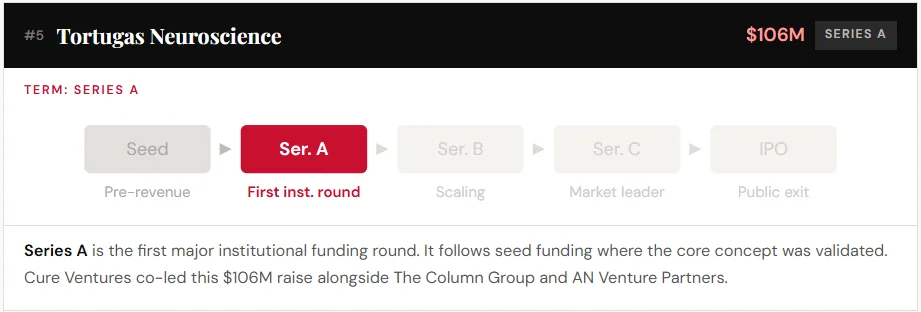
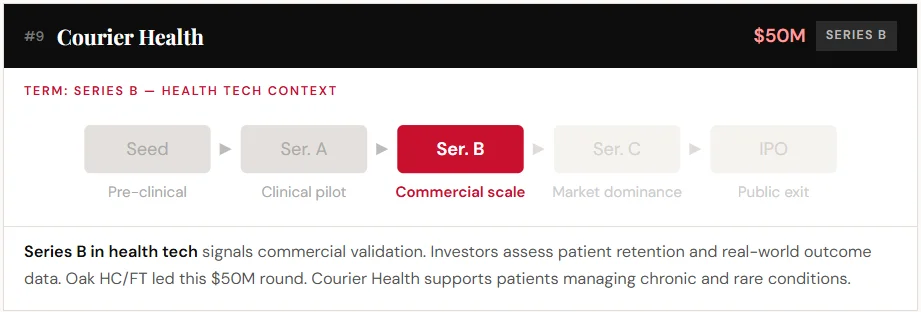
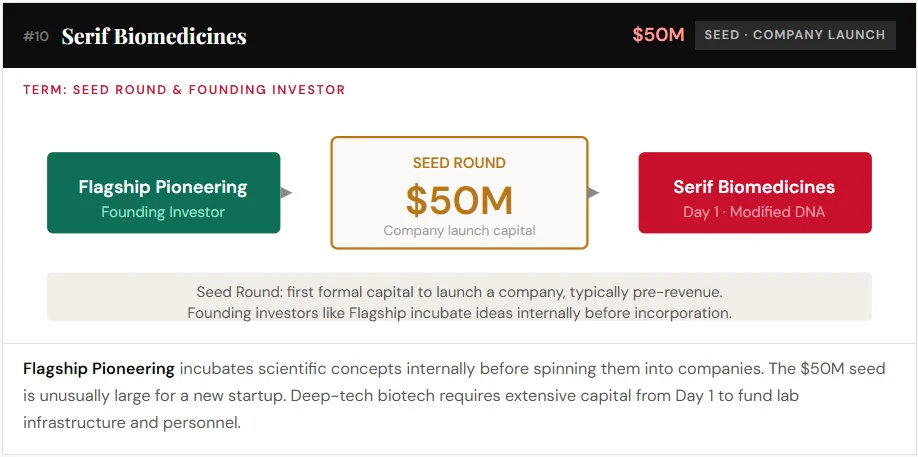
Biotech was a strong sub-theme. Three biotech companies made the top 10. Ray Therapeutics closed a $125 million Series B. The San Diego company focuses on vision restoration therapies. Founded in 2021, it has now raised $247 million in total. Tortugas Neuroscience raised $106 million in a Series A round. Cambridge-based Serif Biomedicines launched with $50 million in seed funding.
“Only five of the top 10 rounds crossed $100M, unusual in this high-flying era for venture megarounds.”
— Crunchbase News, April 24, 2026
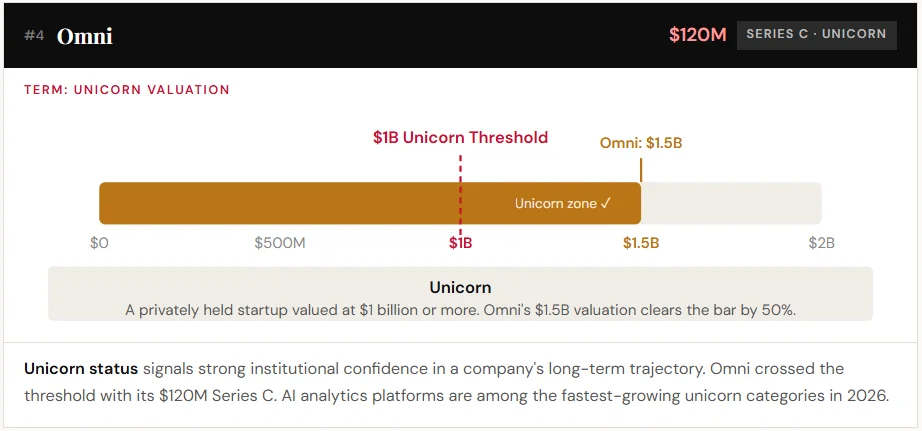
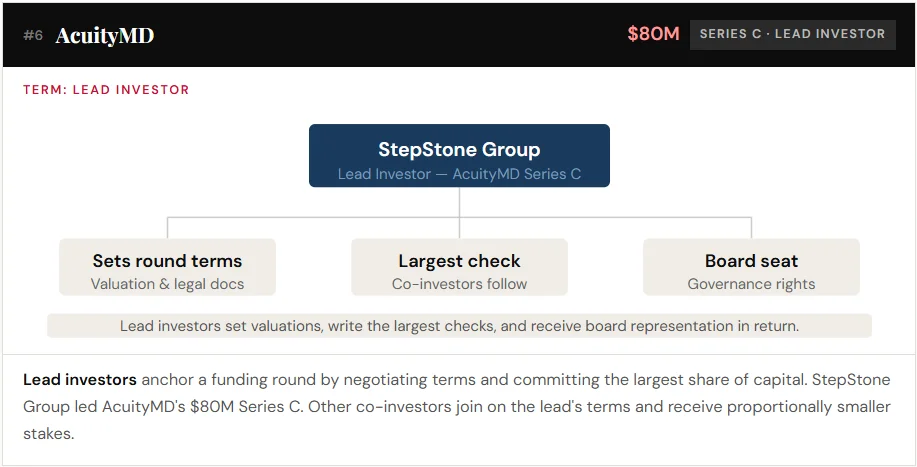
AI analytics also drew serious capital. Omni closed a $120 million Series C. The round valued the San Francisco startup at $1.5 billion. Iconiq Growth led the financing. AcuityMD, an AI-driven medtech research platform, raised $80 million from StepStone Group.
The OpenAI Side Story: Public Access to Private Markets
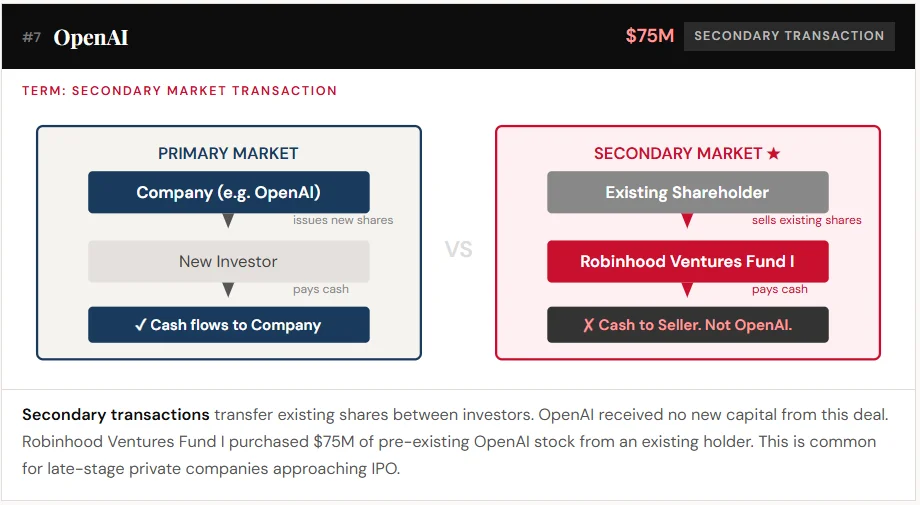
One notable round stood apart in structure. Robinhood Ventures announced a $75 million purchase of OpenAI common stock. The buyer was Robinhood Ventures Fund I, a publicly traded vehicle. This model gives everyday investors exposure to private AI companies. It signals growing demand for access to pre-IPO tech equity.
What This Week Signals for the Broader Market
This week does not exist in isolation. Q1 2026 saw global VC funding approach $300 billion, a record-shattering quarter. AI drove the lion’s share. The Anthropic deal extends that momentum into Q2.
Several structural signals stand out. First, compute is now a competitive moat. Anthropic’s 5GW commitment to AWS shows that training infrastructure is as strategic as model capability. Second, biotech is benefiting from AI spillover. Vision therapy and neuroscience companies are rising to pre-COVID peaks. Third, autonomy is a serious sector, not a niche. Reliable Robotics now serves both commercial and defence clients.
The fact that only five of ten rounds cleared $100 million is worth noting. Historically, this ratio suggests a more selective market. Capital is concentrating, not spreading. Investors are writing bigger checks to proven plays, not spreading bets across early experiments.
For founders outside the top tier, this week carries a clear message. The bar for a large round has risen sharply. Demonstrable revenue, clear infrastructure needs, and sector tailwinds matter more than ever. Those who can show all three will continue to attract institutional capital at scale.
Deal Decoder: Terminology Explained
VC funding uses precise language. Each deal this week carried a distinct structural term. These diagrams decode them.