

May 17, 2026 – The world’s largest asset manager is reportedly weighing an anchor stake worth up to $10 billion in what could be the most consequential public market debut of the decade.
In Summary
BlackRock is considering a $5B to $10B investment in the SpaceX IPO, per The Information.
SpaceX targets a historic $1.75T valuation on Nasdaq under the ticker SPCX.
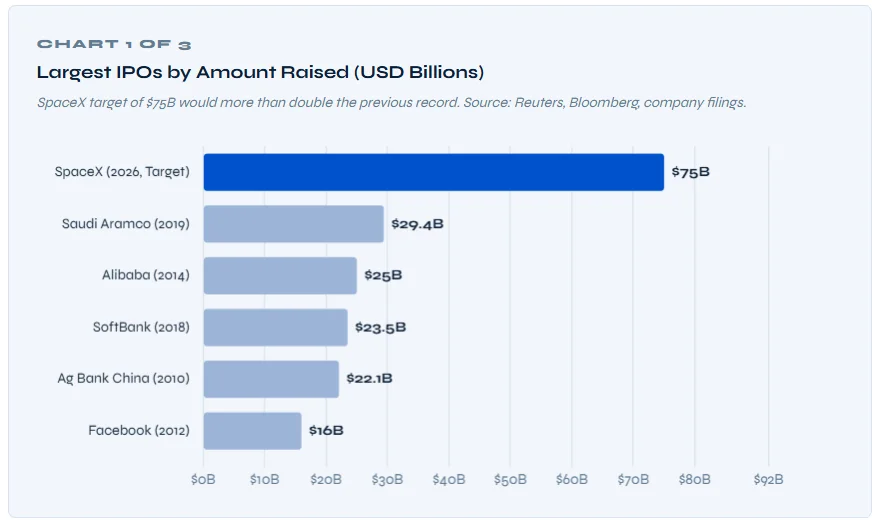
The offering aims to raise up to $75B, far surpassing Saudi Aramco’s $29.4B record set in 2019.
A 5-for-1 stock split will reduce the per-share price from approximately $527 to around $105.
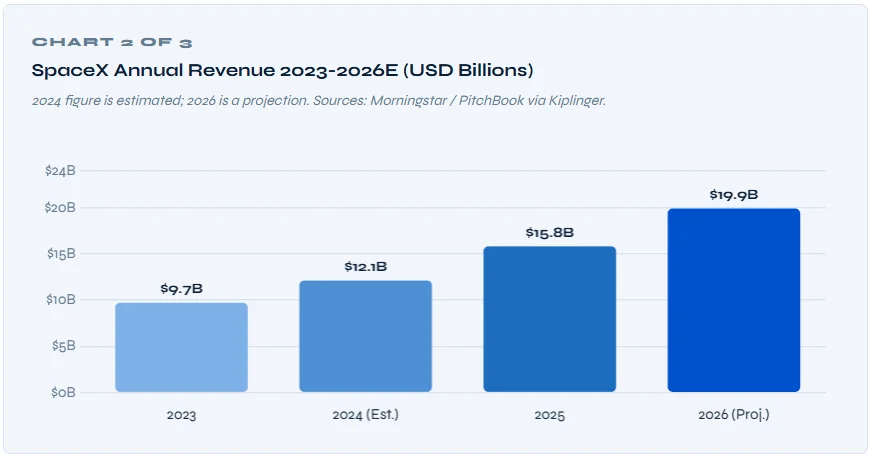
SpaceX 2025 revenue is estimated at $15.8B; Morningstar projects $19.9B for 2026.
BlackRock is making its move. Specifically, the world’s largest asset manager is reportedly considering a $5 billion to $10 billion stake in the SpaceX IPO. If confirmed, BlackRock would become the anchor investor in the largest public offering in history.
The report originated from The Information, citing sources familiar with the matter. Furthermore, BlackRock would deploy capital from its $536 billion pool of actively managed funds. However, final terms remain subject to IPO pricing and deal conditions.

The BlackRock Factor
For institutional markets, BlackRock’s interest carries enormous weight. Indeed, the firm manages over $10 trillion in total assets globally. Therefore, its participation would validate the SpaceX valuation for other large investors.
Anchor investors in mega-IPOs often secure preferential pricing terms. In this case, a $10 billion commitment represents up to 13% of the targeted $75 billion raise. Notably, that concentration from a single investor is rare in modern IPO history.
Meanwhile, BlackRock’s own stock (BLK) recently traded near its 52-week high of $1,219.94. Furthermore, the firm has gained 10% over the past 12 months. Analysts note a consistent positive price trend across all time frames.
SpaceX by the Numbers
SpaceX is targeting a valuation between $1.75 trillion and $2 trillion. Additionally, the company aims to raise approximately $75 billion. Consequently, that figure would shatter Saudi Aramco’s 2019 record of $29.4 billion raised.
At $1.75 trillion, SpaceX would instantly rank among the five most valuable companies on Earth. In fact, it would narrowly surpass Aramco’s 2019 IPO valuation of $1.7 trillion. However, the implied price-to-sales ratio exceeds 80 times based on projected 2026 revenue.
SpaceX posted estimated revenue of $15.8 billion in 2025, according to Morningstar data via Kiplinger. Moreover, projections indicate revenue could reach $19.9 billion in 2026. By 2040, analysts forecast revenue of up to $149.4 billion.
Starlink and Launch Dominance
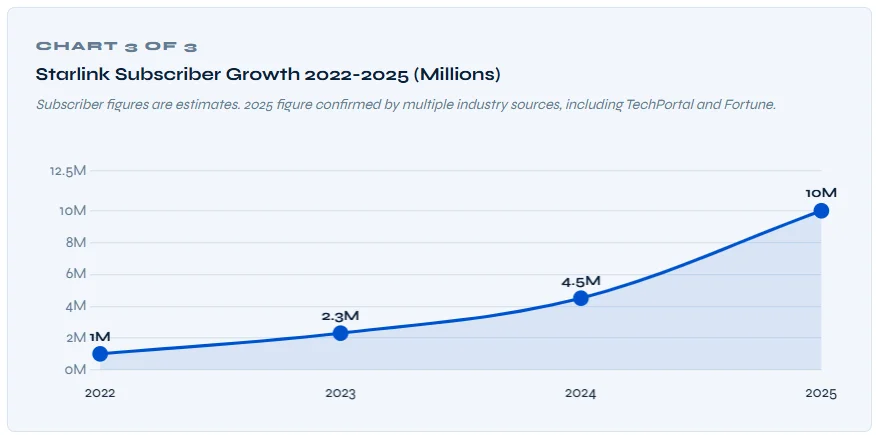
Starlink is SpaceX’s most commercially powerful asset. Indeed, the satellite internet service now serves more than 10 million subscribers globally. Furthermore, analysts estimate that Starlink alone generates over $10 billion in annual revenue.
Starlink’s profit more than doubled to $4.4 billion in 2025, per Fortune. Additionally, the service holds structural advantages in maritime, aviation, and government segments. As a result, no competitor has matched its orbital scale or breadth of coverage.
On the launch side, SpaceX controls over 80% of global rocket launches. Consequently, that dominance creates a near-monopoly in commercial space transportation. In fact, no rival can close the gap before 2030.
In February 2026, SpaceX merged with Musk’s AI startup xAI in an all-stock deal. Notably, the deal carried an approximate value of $250 billion. Since then, SpaceX has announced that xAI will rebrand as SpaceX AI.
“SpaceX claimed more than 80% of global rocket launches last year and has over 10,000 Starlink satellites in orbit.”
-Fortune, May 2026
The IPO Timeline
SpaceX filed its registration statement confidentially with the U.S. SEC in April 2026. Subsequently, SpaceX expects to release the public prospectus around May 20, 2026. Following that, SpaceX has scheduled an investor roadshow to begin on June 4.
Nasdaq plans to begin trading SpaceX shares on June 12, under the ticker SPCX. Specifically, underwriters expect to set the offering price around June 11. Overall, the accelerated timeline reflects growing confidence among underwriters.
Notably, five major banks are managing the offering: Goldman Sachs, Morgan Stanley, JPMorgan, Bank of America, and Citigroup. Additionally, international banks are handling investor demand across Europe, Asia, and Australia.
Nasdaq changed its index rules on May 1, 2026. As a result, mega-IPOs in the top 40 by market cap now qualify for fast-track Nasdaq 100 inclusion. Therefore, SpaceX could qualify for listing within 15 trading days, triggering mandatory buying by passive tracking funds.
The Stock Split and Musk’s Stake
To broaden investor access, SpaceX approved a 5-for-1 stock split. Consequently, this reduces the per-share price from approximately $527 to around $105. SpaceX expects to complete the split by May 22, 2026.
Elon Musk has confirmed he will not sell any of his personal SpaceX shares. This signals his long-term commitment to the company’s public market journey. It also reduces concerns about dilution for incoming investors.
Governance and Key Risks
Not everyone is celebrating, however. Indeed, the largest US public pension funds sent a formal letter to SpaceX this week. They called the proposed governance structure the most management-favourable at this scale in U.S. market history.
Musk’s compensation also includes milestone-based share grants. For example, he can earn up to 200 million additional Class B shares if SpaceX reaches a $7.5 trillion valuation. A further grant activates if SpaceX establishes a Mars colony with 1 million residents.
Revenue concentration is also a key risk. Specifically, a significant portion of SpaceX’s income comes from U.S. government contracts. Therefore, any shift in NASA or defense priorities could materially affect results.
Moreover, the price-to-sales ratio of over 80 times demands near-perfect execution. SpaceX must grow Starlink, advance Starship, and scale SpaceXAI simultaneously. As a result, any setback in one area could pressure the stock after listing.
Why This IPO Matters
Analysts project the global space economy to reach $1 trillion by 2034, up from $626 billion in 2025. Consequently, SpaceX stands ready to capture a major share of that expansion. Its launch dominance and Starlink scale give it structural advantages no competitor currently matches.
Indeed, BlackRock’s reported interest reflects a broader institutional shift. Major funds are no longer treating aerospace as a niche sector. Instead, they treat it as foundational infrastructure for the next decade of growth.
Overall, the SpaceX Nasdaq debut will be a defining event for public markets in 2026. It marks the commercialisation of space on an unprecedented scale. The world now witnesses history on the launchpad and on Wall Street.