

June 07, 2026 – On-chain data show no mass crypto liquidation tied to the record-breaking SpaceX offering. Exchange flows and stablecoin movements suggest a different story.
In Summary
SpaceX targets $75 billion, the largest IPO in history, at a $1.75 to $1.8 trillion valuation.
Retail investors receive 25 to 30% of shares, versus the typical 5 to 10% in mega-cap IPOs.
IPO demand surged to $150 billion, nearly doubling the $75 billion supply.
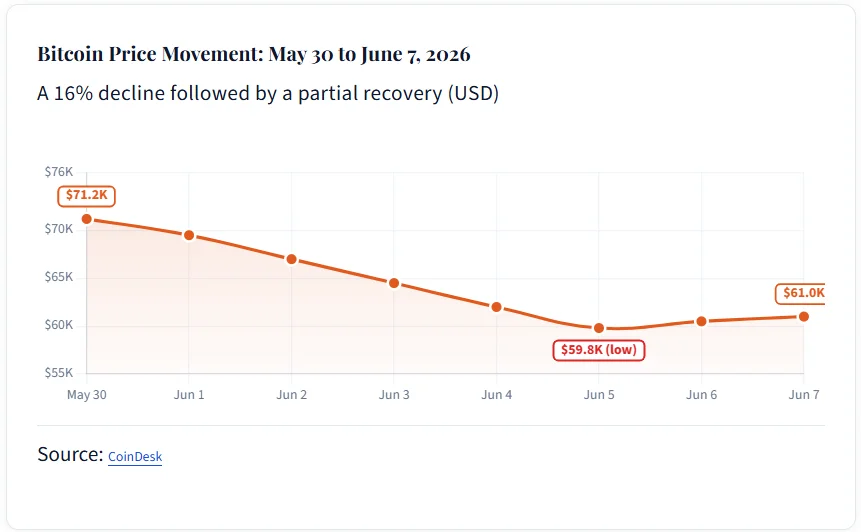
Bitcoin fell 16% during the week, briefly touching $59,800, then recovering to $61,000.
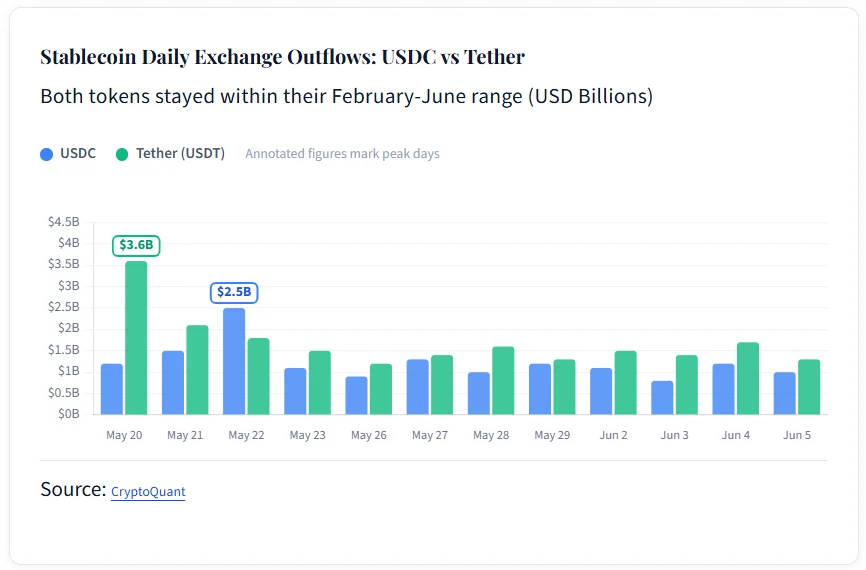
Stablecoin outflows show no unusual crypto-to-cash activity during the sell-off period.
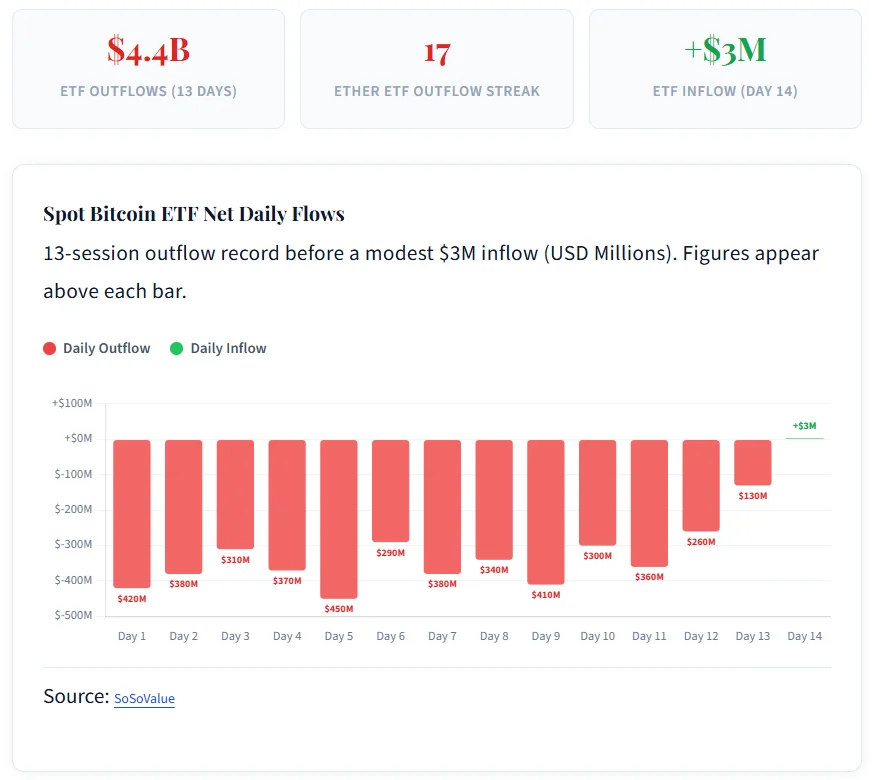
Spot bitcoin ETFs shed $4.4 billion over 13 consecutive sessions, a record outflow streak.
A theory is spreading online. Some investors, it suggests, are selling bitcoin to fund SpaceX shares. However, blockchain data tells a different story. On-chain evidence shows no wave of crypto-to-cash conversions. The primary selling pressure appears to come from a different source entirely.
SpaceX Sets a Historic IPO Record
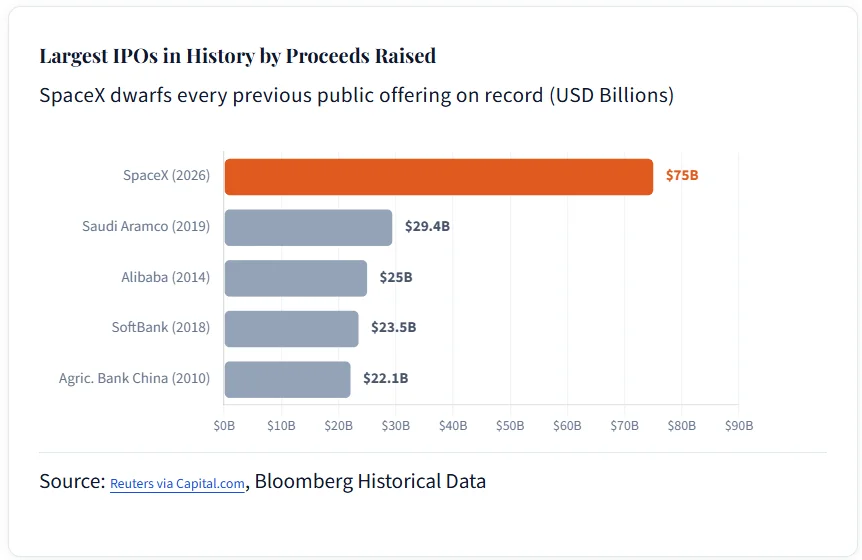
SpaceX is targeting $75 billion in its initial public offering. This surpasses every IPO ever recorded in market history. The offering covers roughly 555 million shares at $135 each. At that price, the company’s valuation reaches approximately $1.75 to $1.8 trillion.
For context, Saudi Aramco’s 2019 IPO previously held the record. That offering raised $29.4 billion. SpaceX therefore surpasses it by more than two and a half times. Furthermore, SpaceX merged with xAI, Elon Musk’s AI venture, in February 2026. This merger adds AI and data center capabilities to its existing space and satellite portfolio.
The buzz surrounding SpaceX combines two of Wall Street’s hottest themes: artificial intelligence and the expanding space economy. For retail investors, the offering represents a rare direct entry point. Access to SpaceX was previously limited to institutional and private investors only.
Retail Gets an Unprecedented Slice
Most large IPOs allocate just 5 to 10% of shares to individual investors. SpaceX, however, is setting aside 25 to 30% for retail buyers. This translates to roughly $19 to $22.5 billion worth of stock for everyday investors. Platforms participating include Robinhood, Fidelity, and Charles Schwab. Additionally, Fidelity cut its minimum investment to $2,000 to further broaden access.
Demand has already been remarkable. Orders reportedly reached $150 billion before the roadshow closed, according to Bloomberg. This is nearly double the $75 billion available. SpaceX prices on June 11 and lists on Nasdaq under the ticker SPCX on June 12.

Bitcoin’s Steep Weekly Decline
Bitcoin fell approximately 16% during the week. It briefly traded below $60,000 before recovering to $61,000, according to CoinDesk market data. The broader crypto market lost roughly $390 billion in total value. Traders also saw nearly $7 billion in leveraged positions liquidated during the rout. This marks the worst weekly decline since the FTX collapse in November 2022.
On Friday, large volumes of crypto moved off exchanges. Specifically, 66,470 BTC and 2.49 million ETH were withdrawn to private wallets. This pattern is associated with buying activity, not selling. Sellers move coins to exchanges for liquidation. Buyers, by contrast, remove coins after taking delivery. Therefore, the exchange data suggests accumulation during the dip, not a panic exit.
“The week’s largest flows look like withdrawal and dip-buying, not a scramble for cash.”
— CoinDesk, June 2026
Stablecoin Flows Stay Within Normal Bounds
Stablecoins provide the clearest proxy for fiat conversion activity. A crypto holder wanting cash first swaps into USDC or Tether. They then redeem those tokens with an issuer for dollars. This process leaves a clear footprint on the blockchain.
However, both USDC and Tether outflows remained within normal ranges, per CryptoQuant data. These ranges have held since February 2026. The largest single-day outflows actually predate the SpaceX IPO buzz. USDC peaked at $2.5 billion on May 22. Tether peaked at $3.6 billion on May 20. Both events occurred well before the sell-off began.
What this means: No spike in stablecoin redemptions signals that crypto holders are not converting en masse to fiat cash for brokerage accounts.
ETF Redemptions Drive Real Selling
The clearest source of genuine crypto selling came from exchange-traded funds. Spot bitcoin ETFs bled for 13 consecutive sessions through June 3. Total outflows reached approximately $4.4 billion during that stretch. This broke the previous record for consecutive days of ETF outflows.
Ether ETFs fared even worse. They recorded a 17-session outflow streak over the same period. When investors redeem ETF shares, issuers must sell the underlying bitcoin. Therefore, these redemptions created direct and verifiable downward price pressure. A small $3 million inflow finally broke the bitcoin ETF streak per SoSoValue data.
The Data Gap: What Brokers Won’t Reveal Yet
On-chain data has a significant blind spot. It cannot track trades made inside closed platforms. If a Robinhood or Coinbase user sells bitcoin for dollars internally, no public blockchain records that transaction.
A complete answer, therefore, requires broker-level disclosure. Robinhood publishes monthly crypto trading volumes in mid-July. Coinbase breaks out retail activity in its Q2 earnings report, also expected in July. Until those figures arrive, the link between SpaceX and bitcoin selling remains speculative.
Bottom Line
Current on-chain evidence does not confirm mass bitcoin selling for SpaceX shares. Stablecoin flows appear normal. Exchange withdrawals look more like buying than panic selling. The primary driver of crypto selling pressure appears to be ETF redemptions.
However, platform-level data could reveal a different picture in July. Retail flows through Robinhood and Coinbase remain opaque until then. Investors should therefore treat the SpaceX-bitcoin narrative as an unverified hypothesis for now.