


August 06, 2026 – The bank plans to deploy the capital through 2035, yet record prices and a stubborn supply gap will test the pledge.

In Summary
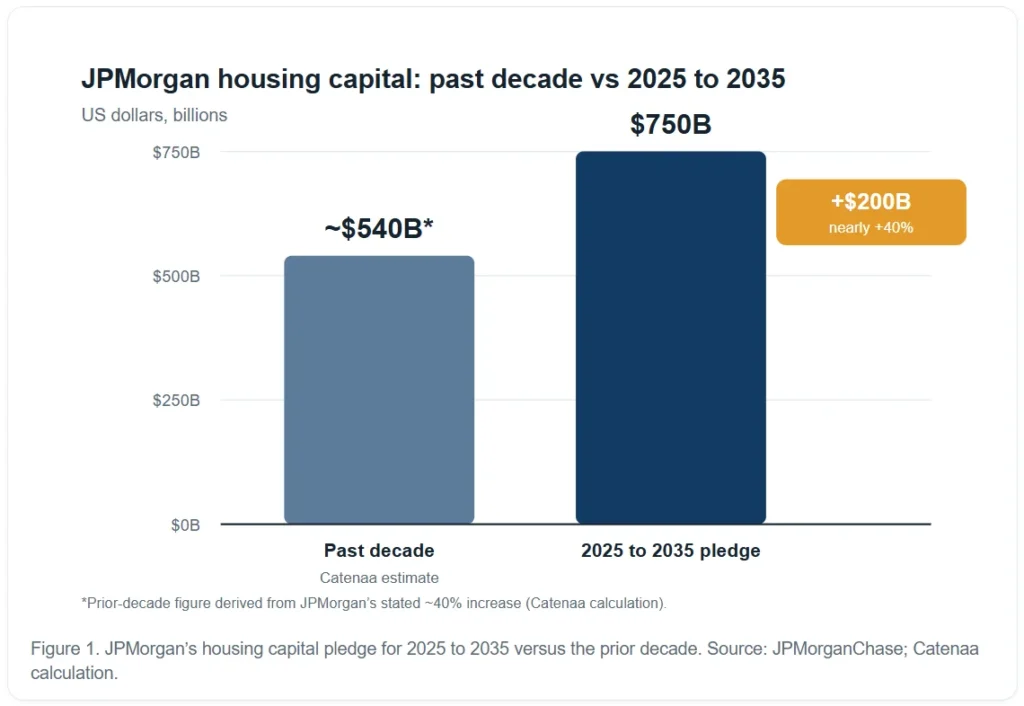
JPMorgan will deploy over $750 billion for US housing through 2035, a step up of more than $200 billion from the prior decade.
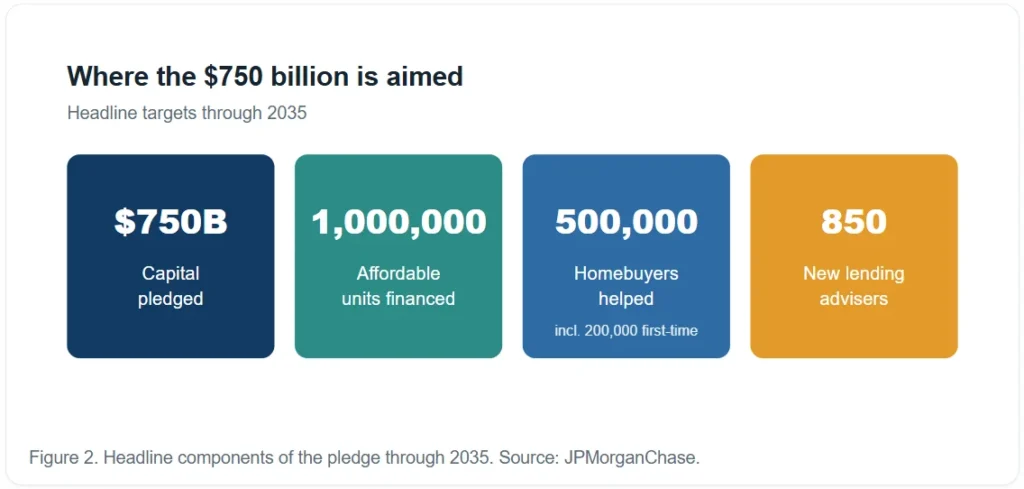
The plan funds one million affordable units and aids 500,000 buyers, including 200,000 first-timers.
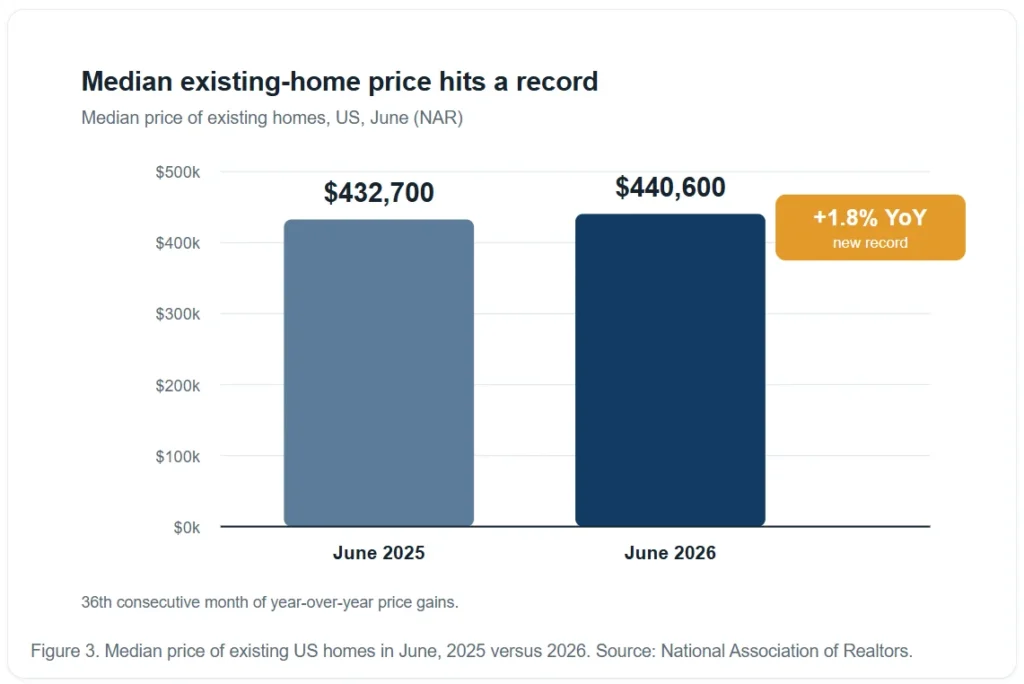
Records persist, since the median existing-home price hit $440,600 while mortgage rates sit near 6.66%.
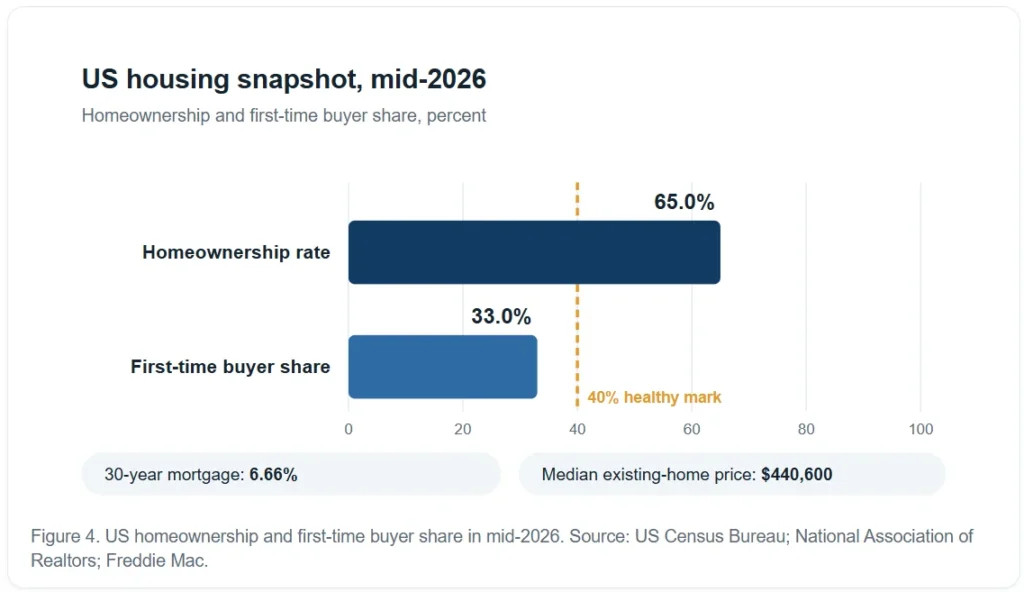
Homeownership stalls at 65.0%, and first-time buyers make up just 33% of sales.
The bank ties extra capital to friendlier zoning, permitting, and tax rules.
The new JPMorgan housing investment lands in a market that keeps pushing buyers away. On Monday, the bank said it will deploy over $750 billion through 2035. Moreover, the plan aims to finance one million affordable units. It also promises to help 500,000 customers buy homes. Therefore, the scale looks striking. However, the long timeline stretches the money thin.
The firm framed the pledge as a nearly 40% jump versus the prior decade. In dollar terms, that increase tops $200 billion. Consequently, JPMorgan now calls itself the largest multifamily and residential mortgage lender in the country. Meanwhile, the capital spreads across ten full years. As a result, yearly deployment lands near $75 billion.
The bank can clearly afford the bet. It held $5.0 trillion in assets in June. So the pledge sits well within its reach. Even so, the promise still needs real follow-through.
A bigger bet on homebuyers
Homebuyer support forms the plan’s second pillar. Specifically, the firm plans to hire 850 new home-lending advisers. Furthermore, it will lift mortgage lending by more than 40%. Of the 500,000 targeted buyers, 200,000 would be first-timers. In addition, the bank floated loans for modular and manufactured homes. These products could widen access for lower-income families.
Prices keep breaking records
Housing costs keep climbing, and buyers feel the squeeze. The median existing-home price hit a record $440,600 in June. Moreover, that marked the 36th straight month of annual gains. Prices rose 1.8% from a year earlier, the National Association of Realtors reported.
Supply stays tight, which props prices up. In June, existing sales ran at a 4.09 million annual pace. That figure slipped 2.4% from May. Meanwhile, the market held just a 4.6-month supply. Analysts often treat six months as balanced. So the gap remains wide.

Affordability stays out of reach
Borrowing costs deepen the strain. The average 30-year fixed mortgage sat at 6.66% in late July, according to Freddie Mac. Meanwhile, the national homeownership rate held at 65.0% in the second quarter, Census figures show. First-time buyers made up just 33% of June sales. By contrast, the industry treats 40% as a healthy mark.
Affordability tells a mixed story, though. The NAR affordability index rose to 102.3 in June. A year earlier, it sat at 95.5. Wage gains drove the shift, since pay grew faster than prices. Still, most first-time buyers struggle to save a down payment.
Why the JPMorgan housing investment matters now
Why does the JPMorgan housing investment matter now? Simply put, wealth increasingly flows to those who already own. Homeownership builds equity over the years. Yet fewer young families can clear the entry bar. Consequently, the affordability gap slowly hardens into a wealth gap.
The push forms part of a wider effort. JPMorgan calls it the American Dream Initiative. The bank first announced that program in March. It targets jobs, savings, and small business too.
San Francisco as a proving ground
The bank picked San Francisco to showcase its model. There, it will provide nearly $200 million for a 342-unit building at the Power Station site. Additionally, it committed up to $15 million to a local Essential Housing Fund. That fund expects to deliver about 250 units in Potrero Hill. The firm also pledged $6 million in fresh housing grants.
A policy-contingent promise
JPMorgan tied its ambitions to friendlier housing rules. Specifically, the firm wants faster permitting, looser zoning, and wider tax credits. It will also chair a new U.S. Chamber of Commerce housing council. Notably, the pledge follows fresh federal action. Congress passed the 21st Century ROAD to Housing Act, which became law on July 11.
Still, the bank hedged its language carefully. It intends to supply more capital only with the right policies in place. Therefore, the headline figure depends partly on lawmakers. In short, execution will decide the real impact.
The bottom line
The JPMorgan housing investment signals serious intent. Even so, the underlying math invites some caution. One million affordable units over a decade equals roughly 100,000 a year. Against a shortage counted in the millions, that pace helps but hardly closes the gap. For now, the announcement mostly sets a direction. The hard work starts with local building. Ultimately, supply, rates, and policy will shape the outcome.




