

August 12, 2026 – Britain topped a global sovereign scorecard on policy and custody. Yet more than 60,000 seized coins stay locked in the courts, not the Treasury.

In Summary
Britain ranked third in the 2025 JAN3 B20 sovereign index.
The score leaned on more than 60,000 seized Bitcoin.
Those coins remain criminal property before the courts.
The Treasury confirms central government holds no cryptoassets.
UK Bitcoin adoption reached a striking milestone this month. A closely watched sovereign index ranked Britain third worldwide for 2025. Yet the same scorecard leaned on more than 60,000 seized coins. Those coins are not a national reserve. Instead, they sit before the courts as criminal property. This distinction shapes how investors should read the headline.
Why UK Bitcoin adoption ranked third
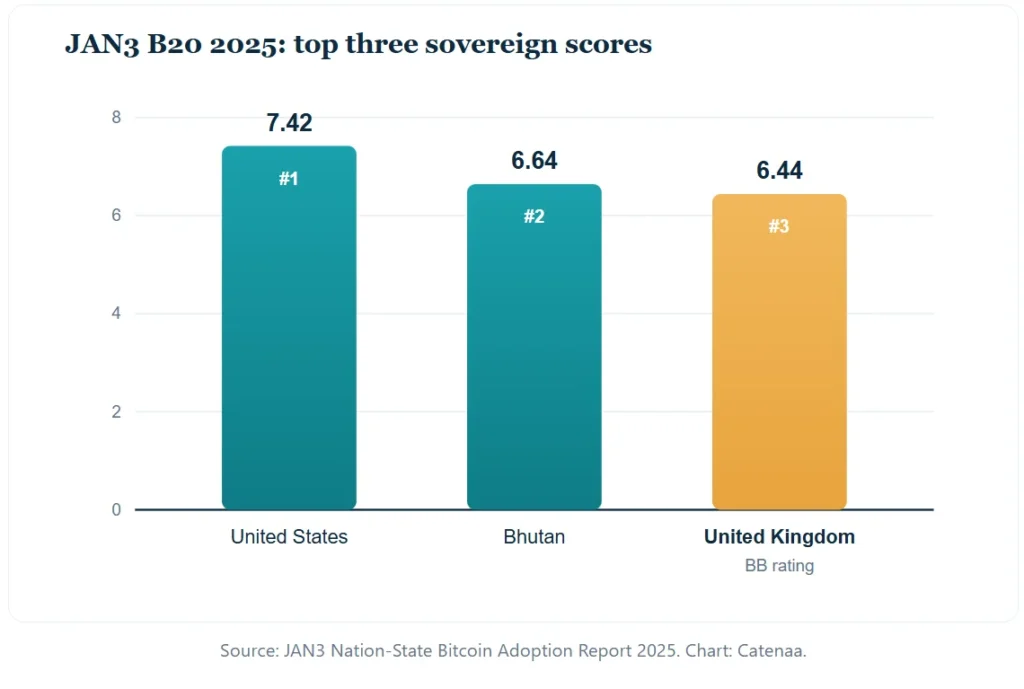
The JAN3 index scored the UK at 6.44 and a BB rating. Only two territories finished ahead. The United States led with 7.42. Bhutan placed second with 6.64. The data window closed at the end of 2025.
Moreover, the framework blends many signals into one figure. It weighs national holdings and state mining. The system also rewards legal clarity, tax rules, and reserve policy. Political support and real economic use add further points. Britain therefore scored on breadth, not on a treasury plan. Consequently, the rank flatters a fairly cautious stance. In short, the badge measures engagement more than commitment.
A record seizure sits behind the number
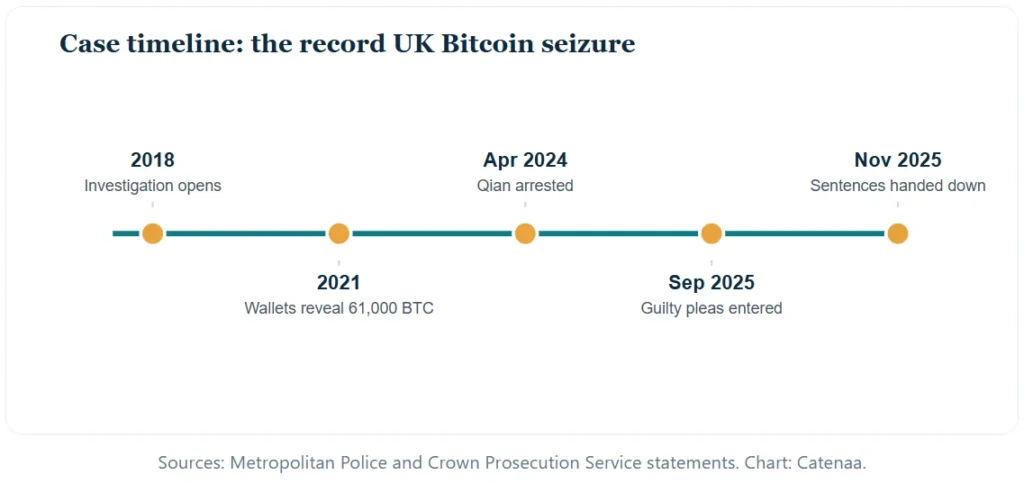
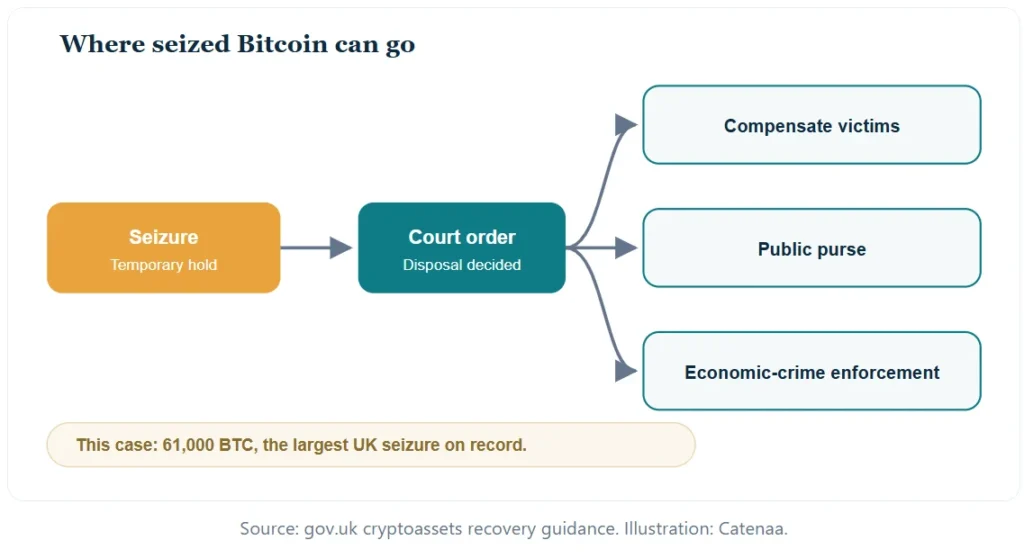
Britain’s score leaned heavily on enforcement custody. Police seized about 61,000 Bitcoin in one landmark case. Prosecutors describe it as the largest crypto seizure in UK history. The underlying fraud harmed more than 128,000 victims in China. That scheme ran between 2014 and 2017.
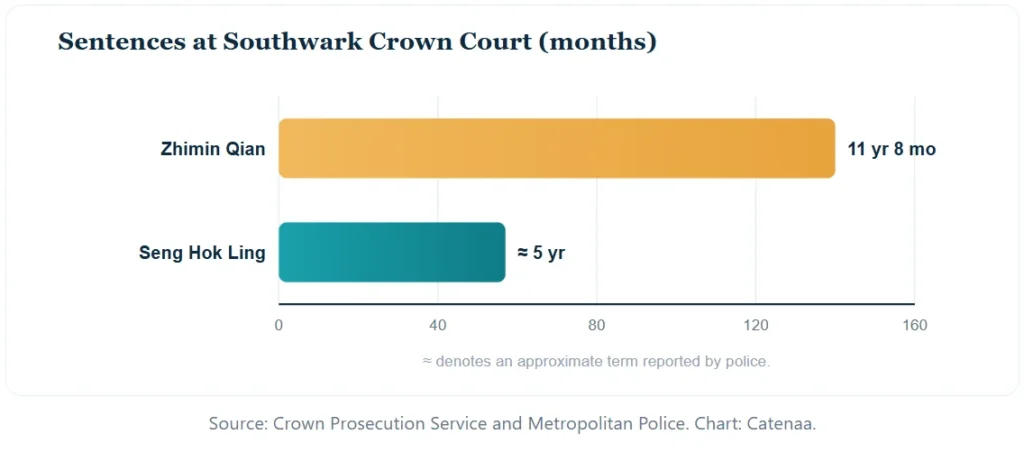
Zhimin Qian directed the operation, then fled abroad for years. A London court later sentenced her to 11 years and 8 months. Her accomplice, Seng Hok Ling, received close to five years. Both admitted to handling criminal cryptocurrency. In addition, prosecutors showed how the pair laundered funds through property. At the guilty plea, the hoard held billions of pounds in value. That value swings with each Bitcoin move, however.
The case also showcased rare cross-border cooperation. Chinese and British investigators shared evidence for years. That teamwork helped trace the wallets and the suspect. It also strengthened the confiscation case in court. The partnership shows how crypto crime now crosses borders routinely.
Why the reserve label does not fit
Seized coins follow a strict legal route. Official guidance treats any seizure as a temporary step while proceedings continue. Courts then decide where the value lands. Authorities may sell coins to repay affected victims. Remaining proceeds can support the public purse and enforcement.
A key question still hangs over any sale. Courts must weigh the original loss against today’s value. That choice decides who captures the upside. Victims, the state, and enforcement funds all hold claims. As a result, the timeline could stretch for months. In practice, courts favour restitution before any public windfall.
Furthermore, official records reinforce the separation. In March 2026, the Treasury answered a direct question on holdings. It confirmed that central government holds no cryptoassets. Therefore, the seized balance cannot serve as a reserve. The ranking reflects policy and custody, not ownership.
What UK Bitcoin adoption means next
That gap matters for traders and analysts alike. A large seized balance can unsettle price expectations. Yet any sale would need court approval first. Victim claims would likely rank above public profit. So a sudden market flood looks unlikely for now.
Analysts still watch the balance for one reason. Sixty-one thousand coins could move real market weight. However, a court would probably stage any release. Staged sales soften the impact on price. Buyers would also absorb the supply over time. Traders would price that supply well ahead of any auction.
Britain has widened crypto access on other fronts. The Property (Digital Assets etc) Act took effect in December 2025. Regulators opened retail access to certain crypto notes in October 2025. A broader licensing regime should arrive in 2027. Still, none of these steps create a Bitcoin treasury.
The ranking also mirrors a wider sovereign shift. More states now sit on Bitcoin through seizures or policy. Some governments treat the asset as a strategic hedge. Others simply custody coins during live legal cases. Britain clearly sits in the second camp today. Its high score therefore rewards process, not accumulation.
For policymakers, the lesson reads clearly. High rankings can flatter a guarded government. Britain leads on rules and market access, not reserves. Meanwhile, the seized coins wait in a courtroom. UK Bitcoin adoption looks strong on paper. For now, Britain holds coins it cannot keep.




