


June 27, 2026 – Hotter US price data crushed rate-cut hopes. Bitcoin, Ethereum, XRP, and Dogecoin all slid in a fast risk-off move.

In Summary
Bitcoin slipped below $59,000 and touched a 21-month low near $58,000.
May PCE inflation reached 4.1%, its highest level since April 2023.
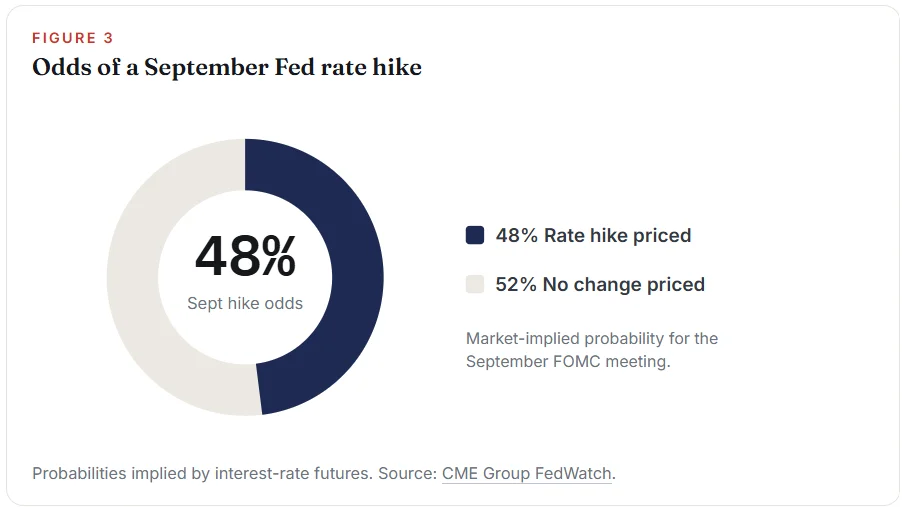
Traders now price roughly a 48% chance of a September Fed rate hike.
Crypto liquidations topped $890 million across the past 24 hours.
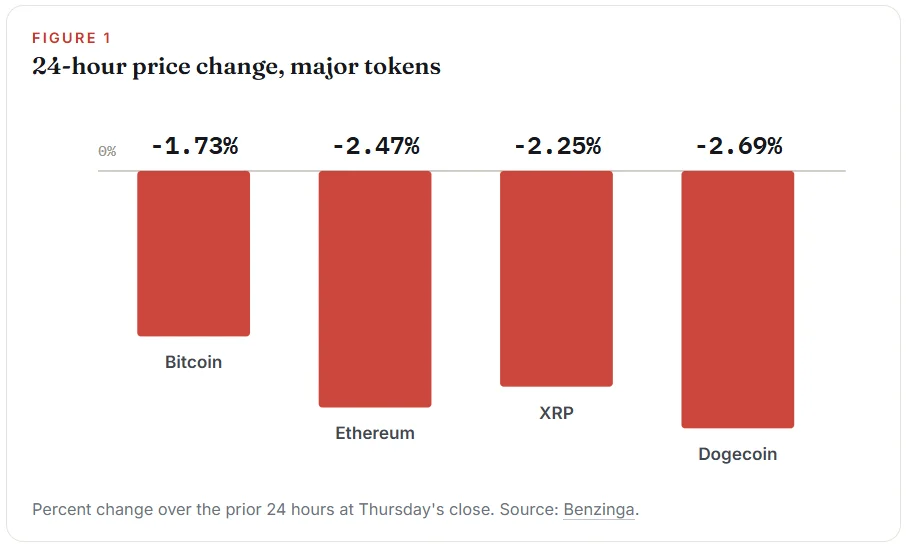
The crypto market suffered another brutal session on Thursday. Fresh inflation data triggered a sharp crypto sell-off and revived fears of higher interest rates. Bitcoin, Ethereum, XRP, and Dogecoin all dropped together. As a result, billions in value vanished within hours.
A red day across the crypto market
Bitcoin led the slide. The largest cryptocurrency dropped below $59,000 during the session. Moreover, it briefly touched roughly $58,000, its weakest mark since September 2024. Ethereum fell even harder in percentage terms. It slipped to an intraday low near $1,531. Meanwhile, XRP and Dogecoin extended their own declines.
The damage spread across the whole asset class. Total crypto market value sank to about $2.09 trillion. That figure marked a 2.22% drop over 24 hours. Leverage then amplified the move. Over $890 million in positions were liquidated within a day, according to Coinglass data. Long traders absorbed most of those losses. Sentiment soured fast. The Crypto Fear and Greed Index sank into extreme fear. Across seven days, Bitcoin had shed roughly 4.5% of its value. Interestingly, open interest still rose 0.38%. Such a split often signals fresh short sellers entering the market.
The inflation report that lit the fuse
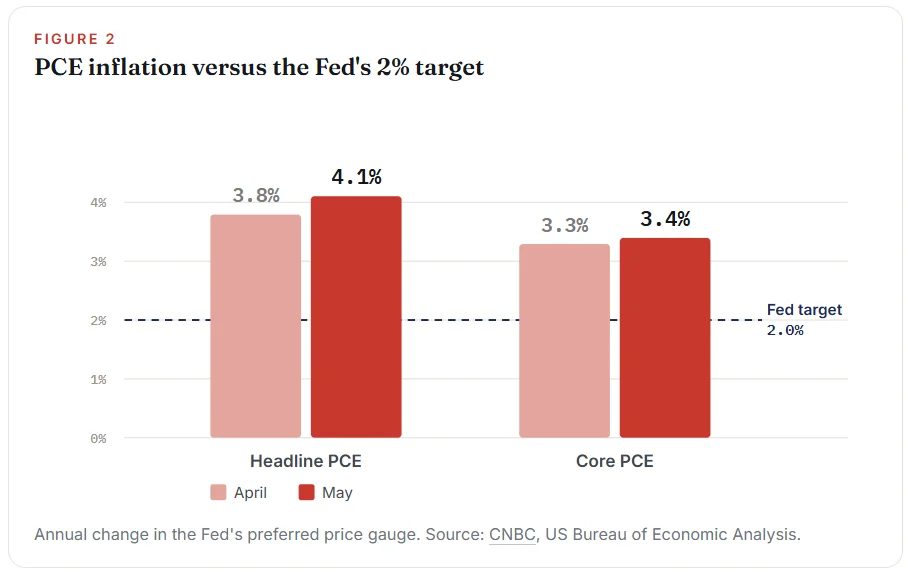
One data release sparked the selling. The Personal Consumption Expenditures index rose 4.1% in May. Therefore, it reached its highest level since April 2023. This gauge matters because the Federal Reserve watches it most closely. April had measured a softer 3.8% instead.
Energy costs drove much of the jump. The US-led conflict with Iran pushed oil and gasoline prices sharply higher. As a result, those costs rippled through the broader economy. Core PCE, which strips out food and energy, climbed 3.4%. Both readings now sit well above the Fed’s 2% target. Consumer spending, however, stayed surprisingly resilient. It rose 0.7% in May, ahead of the inflation rate. Households leaned on savings and a steady job market.
Why did the market react within minutes
Hot inflation instantly reshapes the rate outlook. Rising prices shrink the odds of near-term rate cuts. Consequently, riskier assets like crypto lose some of their shine. Bitcoin now trades almost in step with technology stocks. Indeed, that correlation has run near 85% this year. So Wall Street caution flowed straight into digital assets.
Rate hike bets climb higher
The Fed held rates steady at its June meeting. Policymakers kept the benchmark range at 3.50% to 3.75%. New Chair Kevin Warsh has stressed a firm stance on inflation. Still, the committee left the door open to a future hike. Markets quickly repriced that risk.
Traders now see a genuine chance of tightening. The CME FedWatch tool showed a 48% probability of a September move. For non-yielding assets, that shift carries real weight. Bitcoin pays no interest to its holders. Higher rates, therefore, raise the cost of holding it.
Warsh has set a clear tone since taking the role. He vowed to drag inflation back toward 2%. Moreover, several forecasters now expect at least one hike before year-end. A move in September would mark a sharp turn. For crypto traders, that path spells more turbulence.
Stocks caught the same cold
Equities also closed lower on the inflation news. The S&P 500 slipped 0.01% to 7,357.49. Its tech-heavy cousin, the Nasdaq Composite, fell 0.46% to 25,358.60. Still, the Dow Jones Industrial Average bucked the trend. It climbed 71.72 points, or 0.14%, to 51,920.62. Spot Bitcoin funds added to the gloom, too. Several large vehicles posted fresh outflows, CoinDesk reported. That exist point to cooling institutional demand. Net redemptions reached into the hundreds of millions of dollars. Such selling strips away a key source of demand. Furthermore, it shows large players turning cautious.
What the analysts are watching now
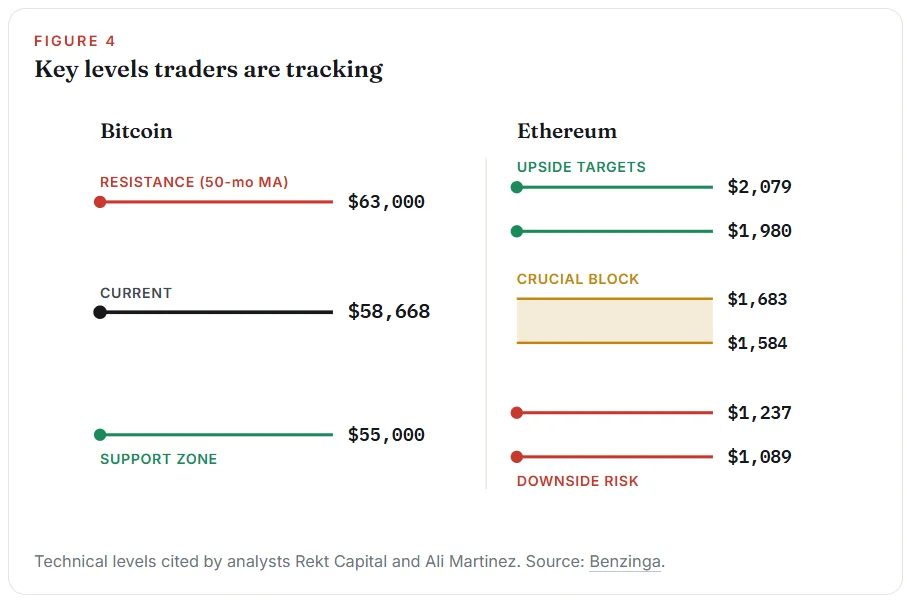
Some chartists spot a familiar seasonal pattern. Rekt Capital, a widely followed analyst, flagged Bitcoin’s summer history. A red June often precedes a relief rally in July, the analyst noted. Yet resistance still looms overhead. Any bounce would likely stall near $63,000. That level tracks the 50-month moving average.
Ethereum faces a separate test. Analyst Ali Martinez highlighted a crucial zone between $1,584 and $1,683. Nearly 4 million tokens changed hands inside that band. Holding it could open a path toward $1,980 and $2,079. In contrast, losing it risks a slide toward $1,237 or even $1,089.
A market still tied to macro
Crypto no longer trades in its own bubble. Instead, it follows the forces driving stocks and bonds. Inflation, rates and oil now set the tone. Therefore, the next Fed meeting in late July looms large. Until then, sharp swings look likely to persist.
The road ahead for crypto
The next catalyst will arrive with fresh data. Investors plan to track ETF flows, oil prices and Fed comments. A cooler June inflation print could ease the pressure. History also offers comfort to patient holders. Bitcoin has recovered from every past crash so far. Such rebounds, though, can take many months. For now, caution clearly rules the tape. Bitcoin’s defense of $58,000 stays the line to watch.




