

July 10, 2026 – The network wants a fresh Layer 1 that matches exchange speed, while traders keep full custody of their own funds.

In Summary
BNB Chain plans a dedicated Layer 1 for high-frequency trading and AI agents.
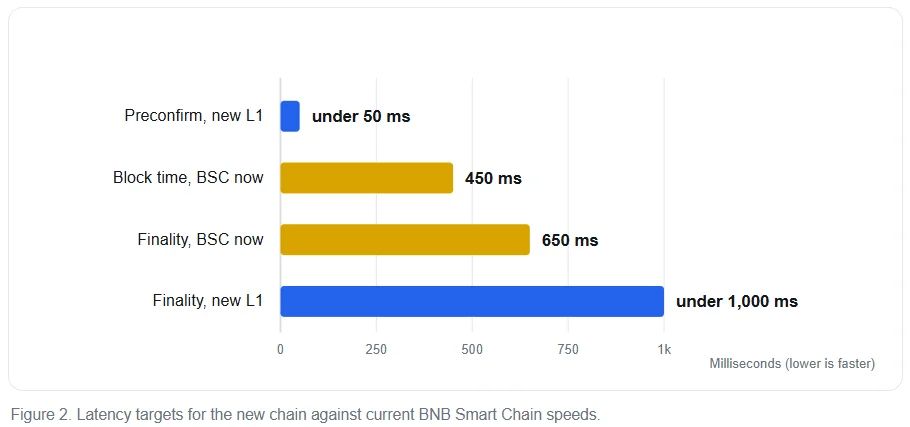
The chain targets 100,000+ TPS, sub-50ms preconfirmation and sub-second finality.
TxStream removes the public mempool to cut latency and curb front-running.
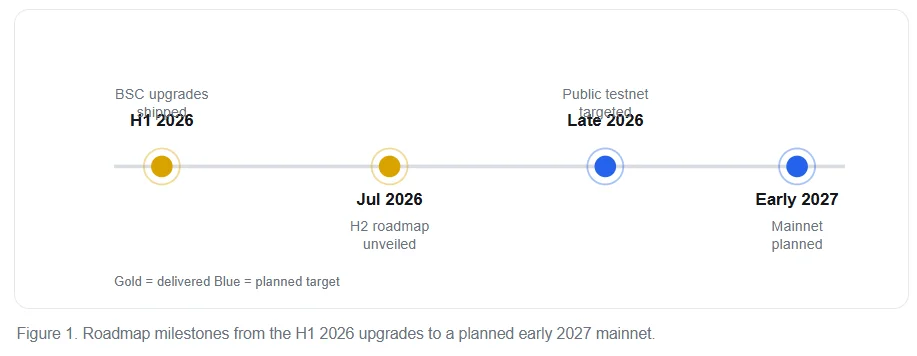
A public testnet is targeted for late 2026, with mainnet planned for early 2027.
The BNB Chain trading chain now sits at the heart of the network’s new tech roadmap. Its builders want a fresh Layer 1 for fast trading and AI agents. Moreover, the team plans a public testnet by late 2026. A mainnet launch should follow in early 2027. Consequently, the project would become the fourth network in the group. It joins BNB Smart Chain, opBNB and Greenfield. Also, it keeps BNB as the core asset. A native bridge would link the chains together. In turn, the older chain would stay the main settlement hub.
A new chain for autonomous agents
The plan lands as crypto firms race to serve software that trades on its own. For example, one big exchange recently opened accounts for AI agents. These agents can now trade and spend on behalf of people. Therefore, demand for fast, machine-ready settlement continues to rise. Latency matters most for this kind of trading. An agent may spot a gap for mere milliseconds. Then, slow settlement can wipe out the edge. Meanwhile, BNB Chain wants its base layer set for that shift. Furthermore, the new chain would allow agents to run bots, add liquidity, and chase gaps. The older smart contract chain would still serve normal apps. So both networks split the work. Human traders rarely need that pace. Bots never rest, though.
BNB Chain trading chain chases exchange speed
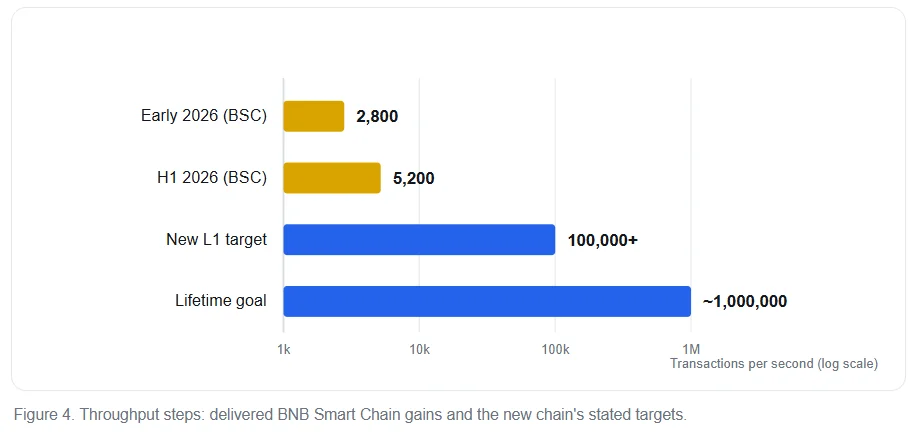
Speed is the whole point of the design. The BNB Chain aims to process more than 100,000 transactions per second. Additionally, it aims for a first confirmation under 50 milliseconds. Block finality should stay under one second. These figures remain targets for now. Still, no testnet has hit them yet. They show how hard the team wants to push. Its next phase targets execution, not consensus. The team also rebuilds the execution engine itself. Today, many chains run contract code slowly. So the new chain would compile code as it runs. It would also swap costly math for cheaper steps. Ultimately, traders who hold their own keys should experience speeds close to those of a top exchange.
How the network removes the queue
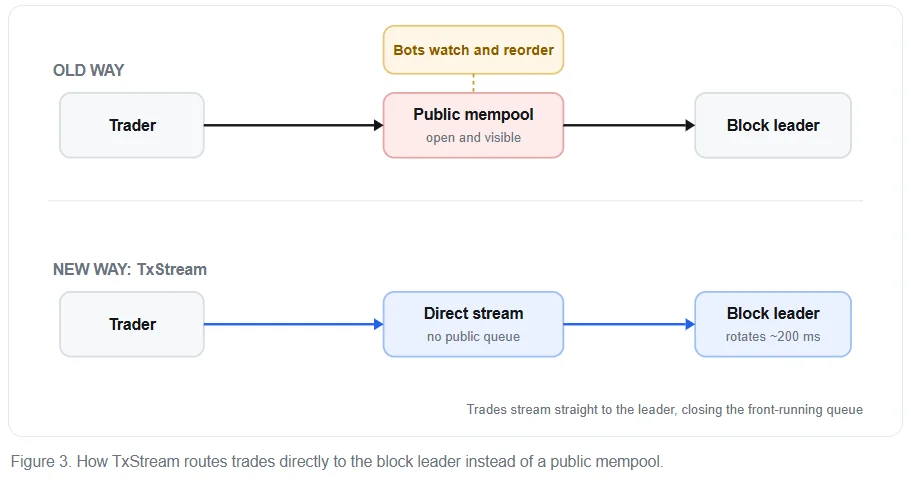
Front-running is a constant threat on open chains. Bots watch pending trades. Then they jump ahead for profit. To fix this, the roadmap adds a tool called TxStream. It removes the public mempool. Instead, it streams each trade straight to the block leader. As a result, pending trades no longer wait in an open queue. Block leaders also rotate about every 200 milliseconds. Consequently, the design cuts the delay. It also shuts a common front-running path. Still, direct routing will not erase every risk. Some ordering tricks could survive the change. Nonetheless, the open queue would shrink a lot. In addition, PriorityLane guards space for oracles, liquidations and bridges.
The agent economy driving the bet
Numbers explain the rush. Industry estimates suggest agents settled about $73 million last year. That flow ran across 176 million on-chain transactions. The total looks small today. However, forecasts point much higher. For instance, some analysts see agent-led commerce worth trillions this decade. One study even estimates that agents will account for a fifth of online sales by 2030. Therefore, chains now fight to host that machine traffic. BNB Chain clearly wants an early lead. Rivals chase the same prize, though. The trend still looks early, not settled.
Faster foundations already shipped
This push did not start from zero. During the first half of 2026, the team made significant upgrades to BNB Smart Chain. Notably, the Fermi upgrade cut block times from 0.75 to 0.45 seconds. Speed also rose from about 2,800 to 5,200 transactions per second. Furthermore, engineers pushed finality near 0.65 seconds. Those gains came from many small tweaks, not one big switch. Therefore, the new chain builds on proven work. It does not rest on promises alone.
Security and flexibility come next
The roadmap looks well past raw speed, too. For example, a new account layer would sponsor gas fees. It would also batch trades and set them to run later. Additionally, it would backpass key logins for ease. Developers also study quantum-safe defenses for the long run. They favor a hybrid path over a full rebuild. As a result, users could adopt safer keys. Better yet, they would keep their current wallet addresses. Institutions weigh such controls before they move funds.
What the BNB Chain trading chain must prove
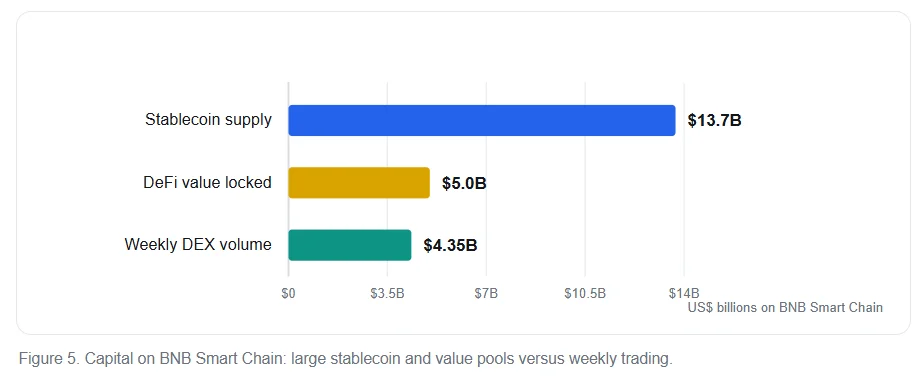
Big goals alone will not carry this project. The network already holds roughly $5 billion in value on BNB Smart Chain. Moreover, stablecoin supply sits near $13.7 billion. However, much of that cash stays parked. It does not trade very often. So the roadmap bets on fresh flow coming back. Timing adds real pressure here. BNB has slid this year toward its lowest levels since 2024. Meanwhile, on-chain trading volume has cooled lately. A strong testnet could shift that mood fast. Over its lifetime, the team even eyes about one million transactions per second. Ultimately, the testnet and mainnet will tell the real story.