

August 06, 2026 – A new Treasury-backed fund links regulated stablecoin reserves with permissioned ownership across three public blockchains.
BlackRock has launched a tokenized government money market fund across Ethereum, Solana, and Tempo. The product targets stablecoin issuers seeking regulated, yield-bearing reserve assets without leaving blockchain settlement rails.
In Summary
The new fund started with $50 million and requires a $3 million initial investment.
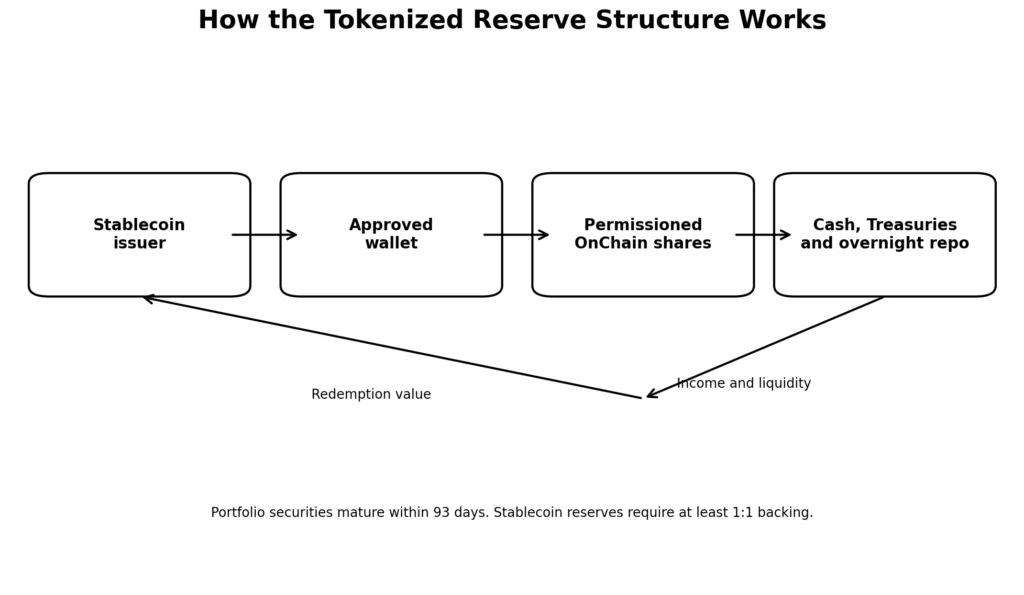
Its portfolio holds cash, short-dated Treasury instruments, and Treasury-backed overnight repurchase agreements.
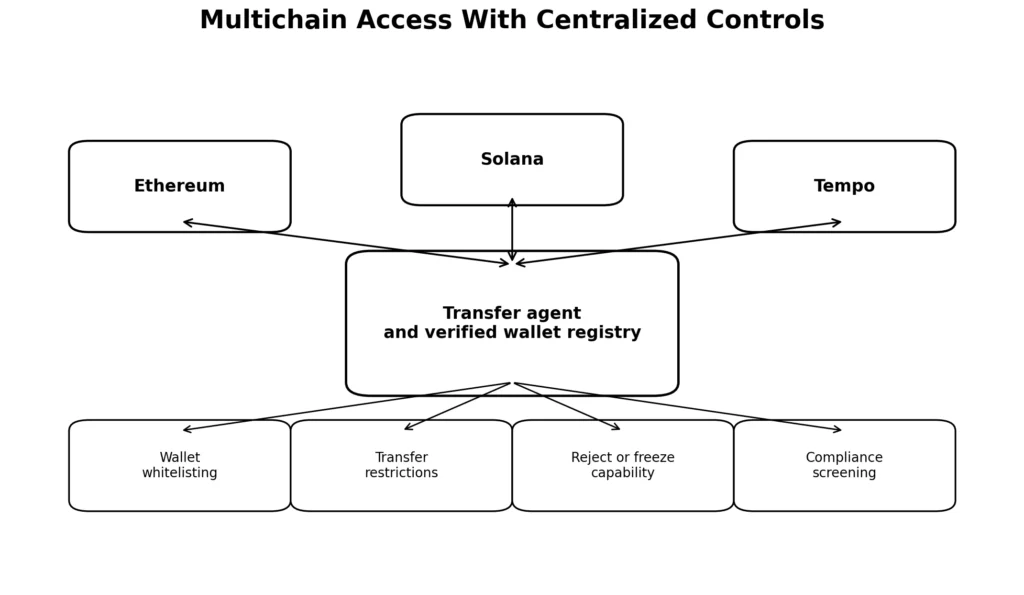
Permissioned shares run across Ethereum, Solana, and Tempo, but verified wallets control access.
The structure links stablecoin regulation with institutional money market infrastructure.
Blockchain exposure does not mean the fund invests in cryptocurrencies.
A regulated reserve product reaches public chains
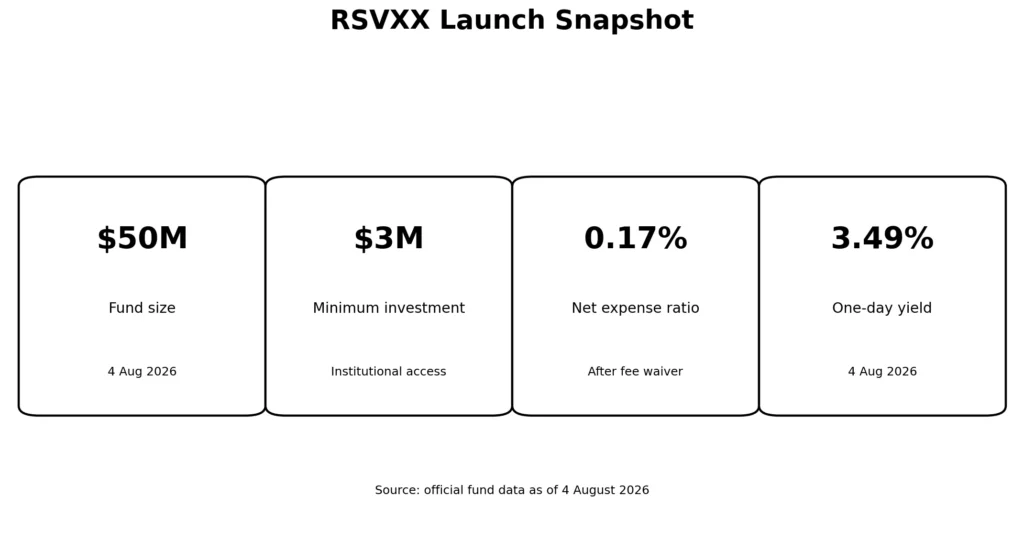
The BlackRock Daily Reinvestment Stablecoin Reserve Vehicle began operations on August 3, 2026. Its ticker is RSVXX.
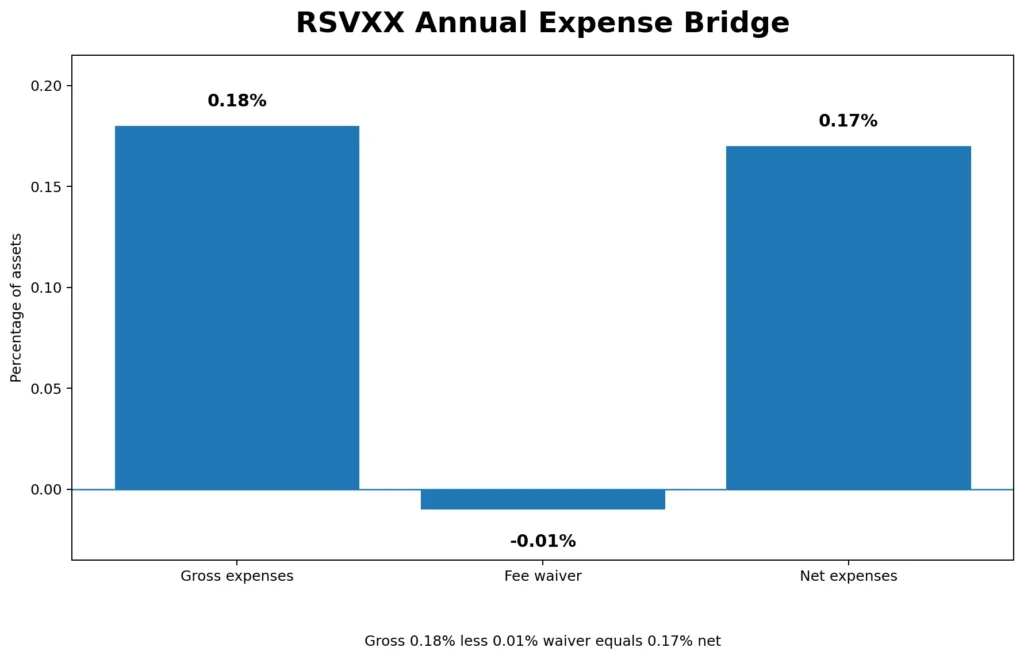
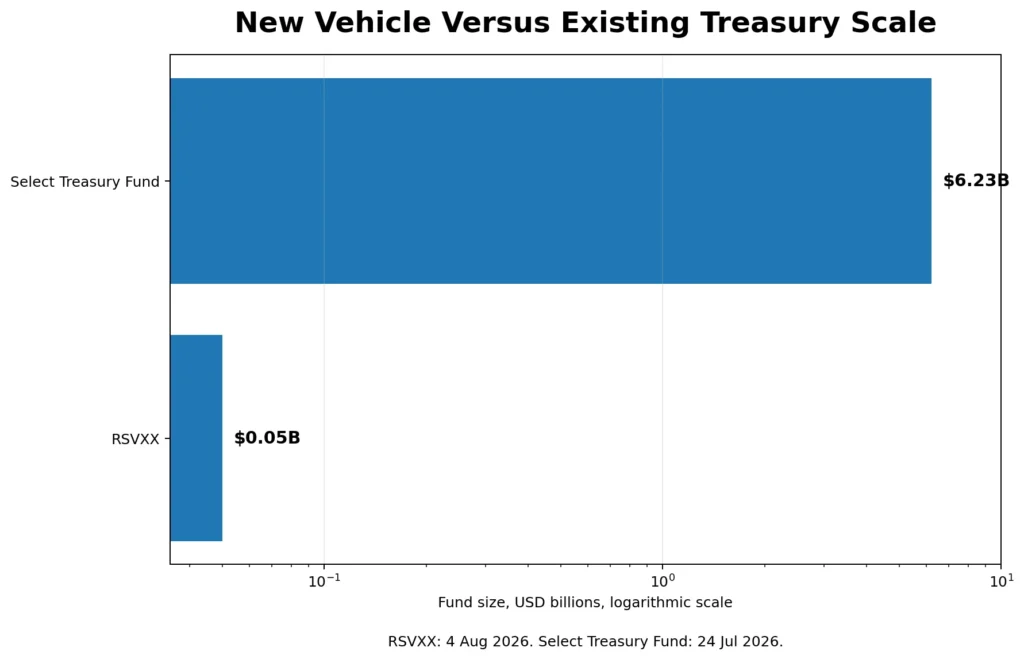
By August 4, the fund held $50 million. It reported a 3.49% one-day yield and a 0.17% net expense ratio.
The minimum initial investment stands at $3 million. Therefore, the product targets issuers and large institutions, not retail investors.
The fund seeks income while protecting liquidity and principal stability. It invests entirely in cash and Treasury-linked instruments.
Eligible securities mature within 93 days. The portfolio can also hold overnight repurchase agreements backed by Treasury instruments.
These features closely match the reserve needs of payment stablecoins. Issuers need liquid assets that support predictable redemptions.
Blockchain rails meet controlled ownership
RSVXX uses public blockchains, yet ownership remains permissioned. Shares can appear on Ethereum, Solana, and Tempo.
Investors must register approved wallet addresses with the transfer agent. Consequently, anonymous wallets cannot freely receive fund shares.
The transfer agent can restrict, reject, or freeze transactions. This design supports compliance, sanctions screening, and verified ownership.
Therefore, BlackRock is not importing permissionless finance into money markets. It is placing regulated fund administration onto blockchain rails.
That distinction matters. The blockchain records ownership and transfers, while the fund retains traditional governance and legal protections.
Regulation creates a new reserve market
The GENIUS Act requires permitted stablecoin issuers to maintain at least one-to-one reserve backing.
Eligible assets include cash, short-term Treasuries, Treasury-backed repurchase agreements, and qualifying money market funds.
The White House estimated that USDT and USDC together represented about $260 billion during February 2026.
Even a modest shift toward tokenized money funds could create a substantial institutional market. Reserve managers also gain operational flexibility.
However, the stablecoin holder does not directly receive the fund yield. Current law prohibits issuers from paying interest to token holders.
Instead, issuers may capture reserve income, subject to regulation, operating costs, and competitive pricing.
Existing Treasury scale strengthens the strategy
BlackRock also prepared OnChain Shares for its Select Treasury-Based Liquidity Fund.
That fund held about $6.23 billion on July 24, 2026. Its seven-day yield stood at 3.25%.
It also reported 100% daily and weekly liquid assets. Its weighted average maturity was only nine days.
This established portfolio gives BlackRock another route into tokenized reserve management. It combines existing scale with blockchain-based ownership records.
This matters because reserve products can generate recurring fees and deepen issuer relationships.
They can also connect fund management, custody, transfer agency, and blockchain settlement within one institutional workflow.
What Ethereum and Solana actually gain
Ethereum gains another regulated asset linked to its institutional settlement role. Solana gains a high-profile product using its faster transaction environment.
Still, neither network receives the underlying Treasury income. Investors also should not treat the launch as direct demand for ETH or SOL.
The stronger benefit is infrastructure validation. Wallet providers, custodians, compliance systems, and settlement applications gain another institutional use case.
Meanwhile, multichain support reduces dependence on one network. It also lets issuers choose rails based on cost, speed, and ecosystem access.
Risks remain inside the new structure
RSVXX is not a bank deposit. It lacks federal deposit insurance and can lose value.
Blockchain outages, software defects, cybersecurity failures, or transfer restrictions may interrupt transactions. Regulatory changes could also affect reserve eligibility.
Furthermore, permissioned controls create operational concentration around the transfer agent and approved service providers.
The launch still marks an important shift. Stablecoin reserves are becoming programmable financial products, rather than passive bank balances.
BlackRock is positioning money market funds as the bridge. Public blockchains provide distribution, while regulated institutions retain control.
This model can scale across regulated digital markets.




