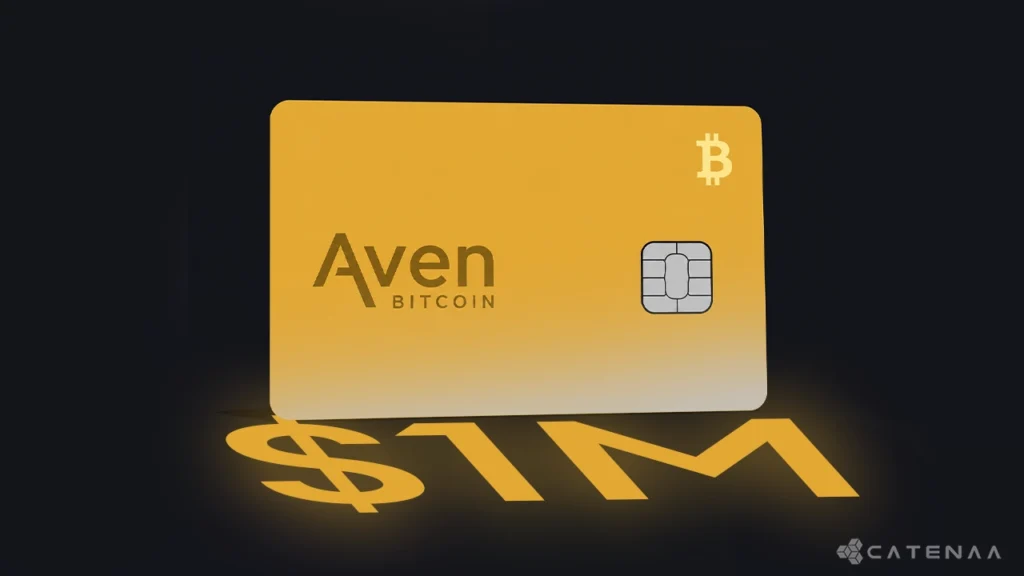


Catenaa, Saturday May 02, 2026 Fintech firm Aven has launched a bitcoinbacked Visa card offering credit lines of up to $1 million, expanding the use of digital assets in consumer lending.
The Aven Bitcoin Visa Card allows users to borrow against bitcoin holdings through fixedrate loans with terms extending up to 10 years. The product, issued in partnership with Coastal Community Bank, introduces longerduration lending and lower rates compared with typical cryptobacked loans, marking a shift in how bitcoin can be used within traditional payment systems.
Product Structure Explained
The card enables borrowers to deposit bitcoin as collateral while accessing a revolving line of credit tied to their holdings. Custody of the collateral is handled by BitGo, a digital asset security firm known for institutionalgrade storage solutions.
Aven said the loans attached to the card carry a fixed annual percentage rate of 7.99 percent, lower than many existing bitcoinbacked lending options. Industry data shows that similar products often feature higher rates and shorter repayment periods, typically less than one year.
The card also includes features common to traditional credit products, such as no annual or origination fees and a cashback rewards structure on purchases.
Implications for Lending
The launch reflects a broader shift toward assetbacked lending models that use digital assets instead of credit scores as the primary basis for borrowing. By extending loan durations and lowering rates, the product may attract users seeking liquidity without selling bitcoin holdings.
Longerterm lending tied to volatile assets introduces new considerations for risk management. Price fluctuations could affect collateral levels, requiring safeguards such as margin thresholds or liquidation mechanisms to maintain loan stability.
The integration with a major card network also signals increasing convergence between cryptobased financial products and established payment infrastructure.
Expert Views on Risk
Financial analysts say bitcoinbacked credit products can offer flexibility but carry exposure to market volatility. Sharp declines in bitcoin prices may trigger collateral adjustments or forced liquidation, depending on loan terms.
Some experts view fixedrate structures as a step toward stability in crypto lending, reducing uncertainty for borrowers. Others caution that longterm loans may amplify risks if asset values shift significantly over time.
Industry observers also note that institutional custody solutions play a central role in building trust, particularly as larger credit limits are introduced.
Expansion of Use Cases
Aven’s move highlights efforts to broaden practical uses for bitcoin beyond trading and investment. By linking digital assets to everyday spending through a Visa card, the company is targeting mainstream adoption.
The model builds on Aven’s existing approach of offering credit backed by assets such as securities and home equity. Extending this framework to bitcoin aligns with growing demand for financial products that integrate digital assets into traditional systems.
The product may also influence competitors to expand similar offerings, increasing competition in the crypto lending space.
What is Crypto Lending
Bitcoinbacked lending has grown alongside the expansion of digital asset markets, offering holders a way to access liquidity without selling their holdings. These loans are typically secured by overcollateralization, where the value of pledged assets exceeds the borrowed amount.
Earlier crypto lending platforms often featured short repayment terms and variable rates, reflecting the volatility of underlying assets. Market disruptions in recent years exposed risks tied to leverage and liquidity management.
Regulatory scrutiny has increased as authorities seek to address consumer protection and financial stability concerns. At the same time, institutional players have entered the space, introducing more structured products and custody solutions.
The introduction of longerterm, fixedrate bitcoinbacked credit products signals an evolving market that blends digital assets with traditional financial frameworks.
Visa vs Crypto
Although, Visa does not publish a fixed list of cryptocurrencies supported across its global card network, as it does not directly issue crypto cards. Support varies depending on the issuing exchange or fintech partner, including platforms such as Coinbase, Crypto.com, and Binance-linked services.
Each provider determines which digital assets can be used for spending or conversion. In practice, Visa-linked crypto debit cards typically support anywhere from about 10 to more than 100 cryptocurrencies, depending on jurisdiction and platform policy.
Larger exchange-backed cards tend to include major assets such as Bitcoin, Ethereum, and stablecoins like USDT and USDC, along with a wider selection of altcoins.
Visa’s broader crypto infrastructure connects with more than 70 wallet and exchange partners globally, but it does not impose a standardized list of supported tokens across all cards or regions.




