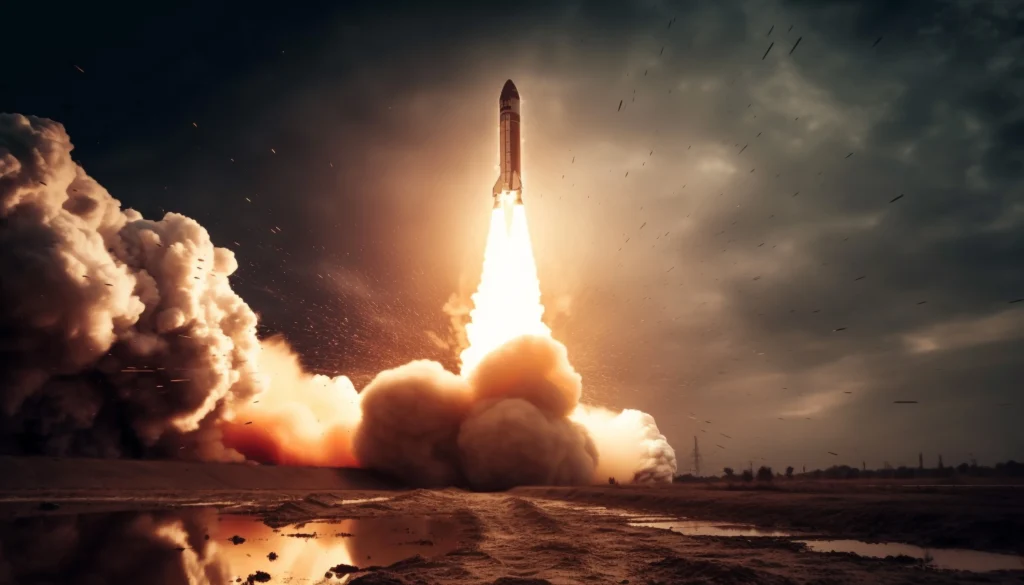


Catenaa, Saturday, May 30, 2026- Elon Musk has discussed with colleagues the possibility of folding Tesla and SpaceX into a single company.
CNBC reported that Tesla employees said many expect a transaction to “eventually take place,” and that the topic is openly discussed internally, as the two companies have already collaborated.
xAI, Musk’s artificial intelligence startup that includes its Grok chatbot and X.com, merged with SpaceX in February.
In corporate circles, the “synergies” created when companies merge, like sharing resources and cutting costs to supposedly provide better products and services, are almost cliché.
In this case, however, although the two firms are sharing resources and working together on projects like the upcoming Terafab chip plant and orbital data centers, a tie-up would really be about one thing: control.
According to SpaceX’s recently filed IPO prospectus, Musk already owns much of SpaceX, and special voting shares make him an almost one-of-one shareholder.
Musk’s special voting shares, known as Class B shares, have 10 votes each. His 5.5 billion Class B shares, 94% of SpaceX Class B shares in total, effectively give him 85% control of the company.
With so much control over SpaceX, as well as his holdings in Tesla (a roughly 20% stake), Musk would be effectively negotiating with himself and could give favorable terms in such a way that he could control the merged entity with the viselike grip that he has over SpaceX.
Luckily for Tesla investors, they would still get to vote on such a merger. Musk has a large Tesla stake but not a controlling one. Shareholders could vote a merger down if they don’t like the terms.
Whether that vote serves as a meaningful check depends on how much Tesla shareholders want a piece of SpaceX.
Musk’s track record of merging companies he’s owned is somewhat problematic. Electrek’s Fred Lambert, a longtime Musk watcher and former Tesla shareholder, said these self-deals have been effectively engineered by Musk himself.
First came the bailout of SolarCity, a solar panel manufacturer and installer that Musk chaired (and where his cousins held high-ranking positions).
The failing business was bought by Tesla for $2.6 billion in Tesla stock, essentially a bailout of the company. While Tesla still sells solar panels, the business has effectively shut down, Electrek reported.
The most obvious example might be Twitter (now X.com). Musk paid an eye-watering $44 billion for the company when he was forced to close the deal via a lawsuit.
His management and controversial comments on the site crushed the company’s advertising revenue and value. But Musk had his own AI company, xAI, buy out X for $45 billion, including debt, again bailing out Musk and other X investors at the expense of xAI investors.
But don’t feel too bad for xAI investors. SpaceX then acquired xAI, with Musk claiming the two needed to be merged to solve issues with AI and data center deployments in space. The deal valued xAI at a massive $250 billion, with SpaceX valued at $1 trillion.
It was another massive payout for xAI investors, including Musk, using the profitable and highly sought-after SpaceX shares as payment.