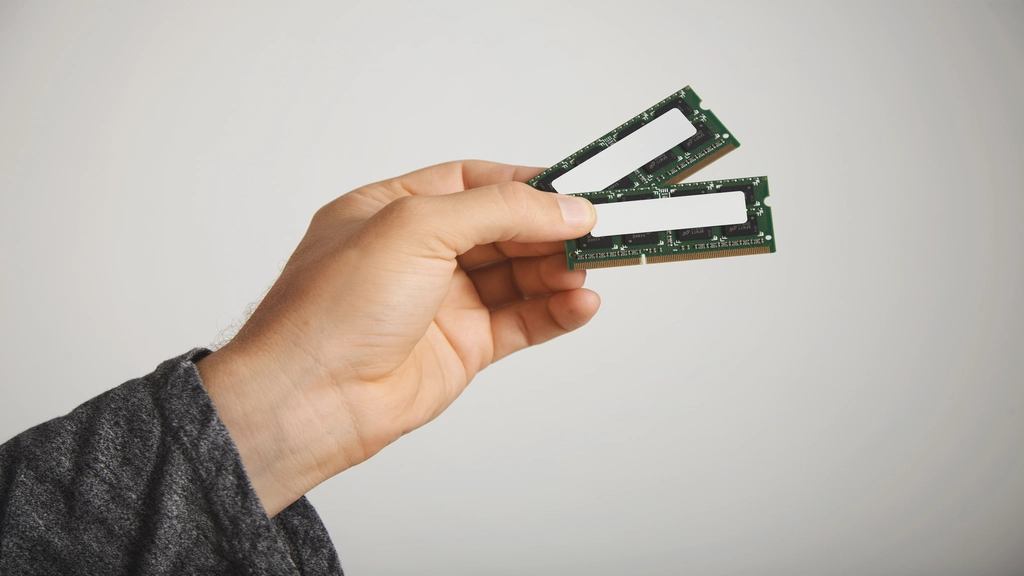


Catenaa, Saturday, July 04, 2026- Micron broke ground on the expansion of its factory in western Japan, a $9.3 billion undertaking to produce advanced memory chips.
The Boise, Idaho-based company is building the facility in Hiroshima to make chips such as high-bandwidth memory crucial for AI processors like Nvidia’s, with shipments to start around the summer of 2028.
Japan’s Ministry of Economy, Trade and Industry has allocated up to $3.1 billion to help cover the cost.
The move is part of a global ramp-up by memory makers to meet demand for AI.
Micron is building two leading-edge fabs in Boise and in January held a groundbreaking ceremony for a $100 billion production site outside Syracuse, New York, part of a pledge to increase DRAM production on American soil. South Korea’s SK Hynix and Samsung Electronics are also boosting manufacturing capacity.
“Micron’s very first HBM production wafer, for the memory technology at the heart of AI, was made right here in Hiroshima,” Micron Chief Executive Officer Sanjay Mehrotra said during a ceremony attended by central and local government officials. “When American boldness meets Japanese craftsmanship, you do not get a compromise. You get the best in the world.”
The factory expansion in Japan will help Micron raise power and transmission efficiency in chips needed for AI services and self-driving vehicles. Along with funds to support research and development, the Japanese government has earmarked roughly $4.8 billion for the US company to date.
Japan’s support for Micron, now the only maker of DRAM within the country’s borders, has “invaluable worth,” said Economy, Industry and Trade Minister Ryosei Akazawa. Should other overseas chipmakers seek to build factories in Japan, the country is ready to do “all that it can” to help, he said.
Since 2021, the Asian country has set aside tens of billions of dollars of support for semiconductors and AI, seeking to gain leadership in a sector seen as central for national security.
Last month, Prime Minister Sanae Takaichi released a roadmap targeting private and public investment into chips and AI to the tune of $630 billion through March 2041, without giving a breakdown on how much would come from government coffers.
“The Hiroshima factory’s strength lies in its ability to quickly deliver cutting-edge and high-performance products to customers,” said Kota Nosaka, representative director of Micron’s Japan unit. “Creating next-generation chips here is directly tied to Micron’s strategy.”
Micron took possession of the Hiroshima factory when it acquired bankrupt Japanese DRAM maker Elpida Memory Inc. in 2013.
Japan is home to many corporate linchpins in advanced chip materials and gear, but it’s largely ceded leadership in finished semiconductors.
Roughly 80% of the chip materials the Hiroshima factory needs now come from Japan, Nosaka said.