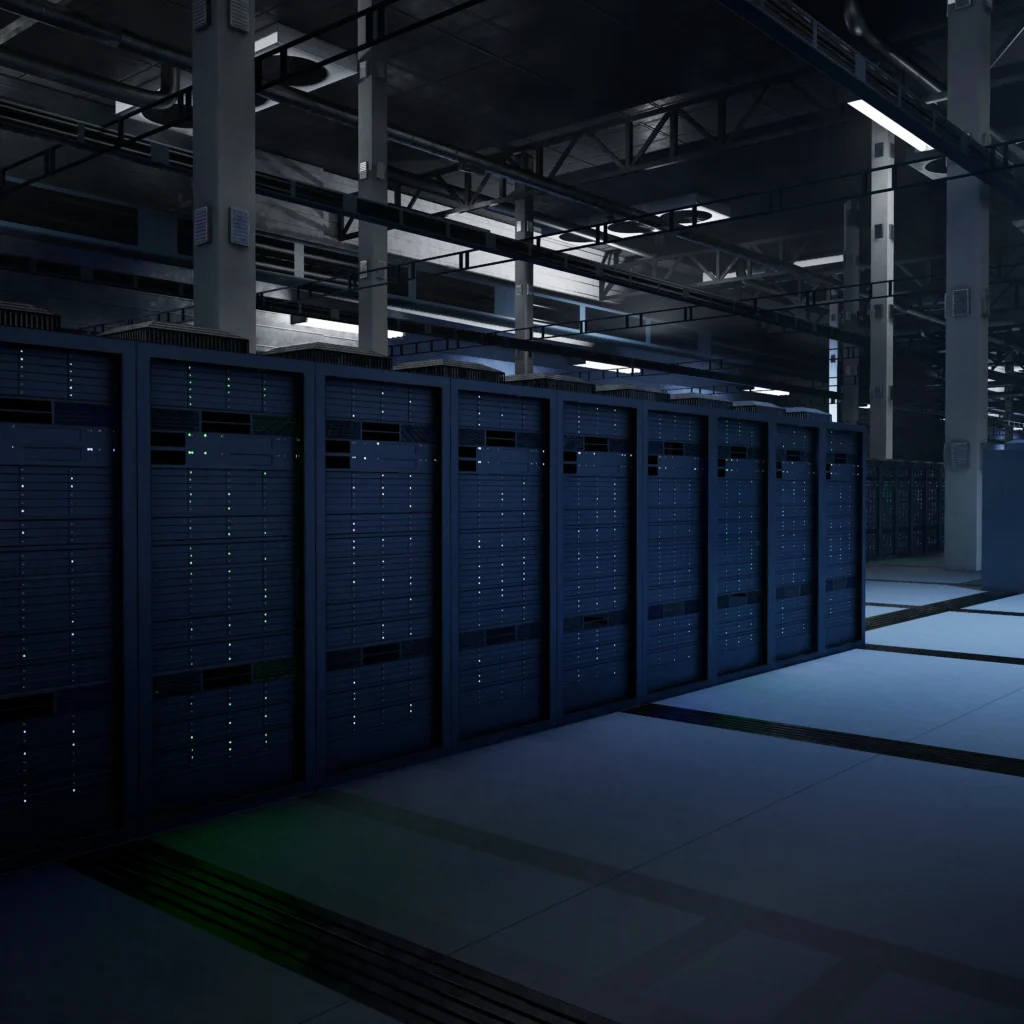


Catenaa, Saturday, July 04, 2026- Blackstone’s QTS is walking away from plans to build its portion of a 2,100-acre data center campus in Virginia.
The data center developer had planned to transform more than 800 acres in Northern Virginia’s Prince William County into a centerpiece of one of the world’s largest technology corridors.
Located at the edge of an historic Civil War battlefield and on what used to be land protected from development, the “Digital Gateway” project ignited strong pushback from homeowners and has been stalled by lawsuits.
In recent days, QTS executives decided that it isn’t worth pressing forward in court, Bloomberg News reported.
“After careful consideration, QTS has made the decision to terminate the Digital Gateway project,” attorneys representing the firm said in a court filing, confirming an earlier Bloomberg report. The company will now work on “a responsible and orderly” wind down of development efforts.
QTS’s rapid growth has made the company a poster child of how private equity has fueled the data center industry’s breakneck expansion.
Those ambitions are colliding with public anxiety over strains to electricity grids and home prices from AI data centers.
The retreat deals a blow to a landmark mega site roughly twice the size of New York’s Central Park with city-sized power needs. The initiative was supposed to bring in some $100 billion in spending and create one of the world’s largest technology corridors.
The project had sparked contentious, drawn-out public hearings. A clerical blunder related to public notices for a key zoning meeting created setbacks for developers.
Already, Brookfield-backed Compass Datacenters, which was supposed to build on more than 800 acres at the site, had pulled out in May.
The U-turns by both firms amount to one of the most dramatic retreats by developers from a data center project.
It’s a reminder of how tech firms’ race for the computing infrastructure to support AI advances is increasingly facing bottlenecks, from power shortages to supply crunches.
Organized opposition is mounting, forcing firms and developers to be more deliberate about where they choose to build.
To account for the costs of such build-outs, Virginia recently passed a budget with an energy consumption tax on data centers, and more states are threatening moratoriums on new development.
Data centers, and how their costs and benefits are shared, are now emerging as a major swing issue in the lead-up to the US midterm elections.
These hurdles raise questions for investors over whether the AI build-out can keep going at this pace.
For community organizers and residents who spent the last five years opposing the Digital Gateway, QTS’s pullout will now validate a playbook that involved pressure campaigns on local politicians and legal attacks.
Hundreds of proponents and critics showed up at a 27-hour zoning hearing in 2023 to lobby authorities on the project. After county officials narrowly voted to approve the conversion of agricultural and semi-rural land for data centers, community organizers and residents pursued lawsuits.
Blackstone, which acquired QTS in 2021, is a major financier of data centers, with a portfolio of more than $150 billion of such assets around the world.
Earlier this week, the firm announced it would cash in on its stakes in a trio of data centers across Northern Virginia for $3.5 billion.