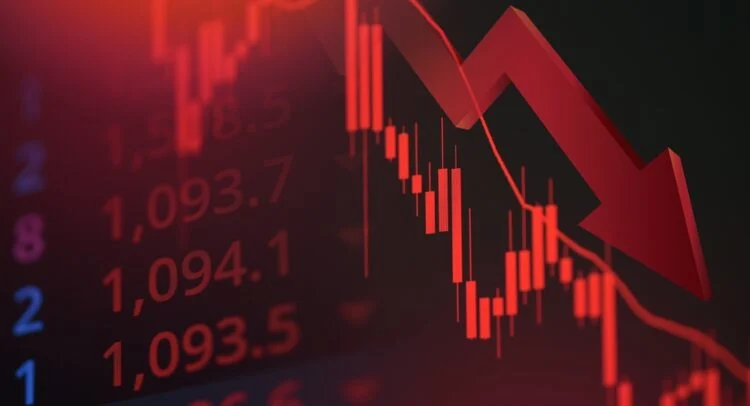
February 27, 2026 – U.S. stock futures tumbled on Friday after January producer inflation came in far above expectations. The data reignited fears that the Federal Reserve may delay interest-rate cuts. S&P 500 futures dropped 1%, while Nasdaq 100 futures fell 1.1%. Dow Jones futures slid 1.2%, extending Thursday’s losses.
Nvidia Sells Off Despite Blowout Earnings
Nvidia, the world’s most valuable company, dropped more than 5% on Thursday. The chipmaker posted strong quarterly results, but investors wanted more. Questions over shareholder returns weighed on sentiment. The stock had rallied sharply ahead of its report, leaving room for profit-taking. This pattern signals a broader concern. Even strong AI-driven earnings may no longer be enough to sustain lofty valuations.
Netflix Walks Away From Warner Bros Bidding War
Netflix surged more than 6% in premarket trading after declining to raise its offer for Warner Bros. Paramount Skydance submitted a $31-per-share bid that Warner deemed superior. Netflix called the higher price “no longer financially attractive.” The streaming giant still stands to collect a $2.8 billion termination fee. This disciplined approach signals Netflix’s shift toward capital efficiency over empire-building.
Inflation Data Complicates the Fed’s Path
January’s producer price index rose 0.5% month-over-month, beating the 0.3% forecast. Core PPI jumped 0.8%, more than double the expected 0.3%. Year-over-year figures also exceeded estimates across the board. Chicago Fed President Austan Goolsbee acknowledged room for further cuts in 2026. However, he urged caution against front-loading reductions before inflation clearly trends toward 2%.
What Investors Should Watch Next
The convergence of hot inflation, tech-sector profit-taking, and M&A surprises creates a volatile backdrop. Markets now face a critical question: Can corporate earnings growth outpace tightening financial conditions? Oil prices also added pressure, with Brent crude climbing 3.4% to $73.26 a barrel. U.S.-Iran nuclear talks ended without a deal, keeping geopolitical risk elevated. Investors should brace for continued turbulence heading into March.