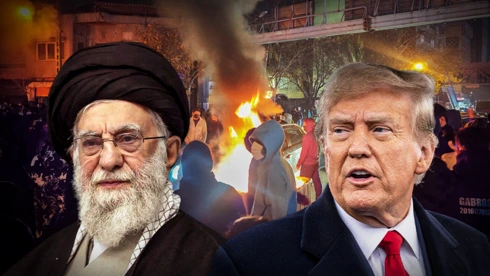
March 01, 2026 – President Donald Trump’s latest military strikes against Iran are raising sharp constitutional questions. Legal scholars argue that the attacks were launched without the required congressional authorisation. The White House has yet to present a formal legal justification to the public.
The Constitutional Conflict
The U.S. Constitution grants Congress the sole power to declare war. Trump, however, has relied on Article II commander-in-chief authority to justify military action. This mirrors the legal framework used for last summer’s bombing of Iranian nuclear sites. It also echoes the rationale behind the January capture of Venezuelan President Nicolás Maduro.
Christopher Anders of the ACLU called the strikes a clear constitutional violation. He stated that only Congress holds the authority to commit U.S. forces to battle. The president, Anders argued, seized that power unilaterally.
Scale Changes the Legal Calculus
Previous executive military actions relied on arguments about limited scope and duration. The Justice Department’s Office of Legal Counsel has used these factors to argue that prior strikes didn’t rise to the level of “war.” That reasoning becomes harder to sustain here.
Trump himself described the campaign as “massive and ongoing.” The military is reportedly planning several days of sustained attacks. Georgetown law professor Steve Vladeck noted that past legal defences depended on claims that strikes were limited. He argued that such reasoning is difficult to take seriously in this context.
Market and Policy Implications
The legal uncertainty carries significant policy and market implications. A prolonged conflict without congressional backing could face judicial challenges. It may also deepen political divisions in Washington ahead of the 2026 midterm elections.
The Supreme Court’s 2024 ruling on presidential immunity has emboldened executive action. That decision shaped the administration’s confidence in the broad use of Article II powers. Yet legal experts warn that expanding military operations without legislative approval sets a troubling precedent.
George Mason University professor Ilya Somin acknowledged the Iranian regime’s hostility toward the U.S. However, he maintained that the military action remains unconstitutional regardless of its strategic merit. As the conflict’s scope widens, pressure on Congress to assert its war powers authority will likely intensify.