
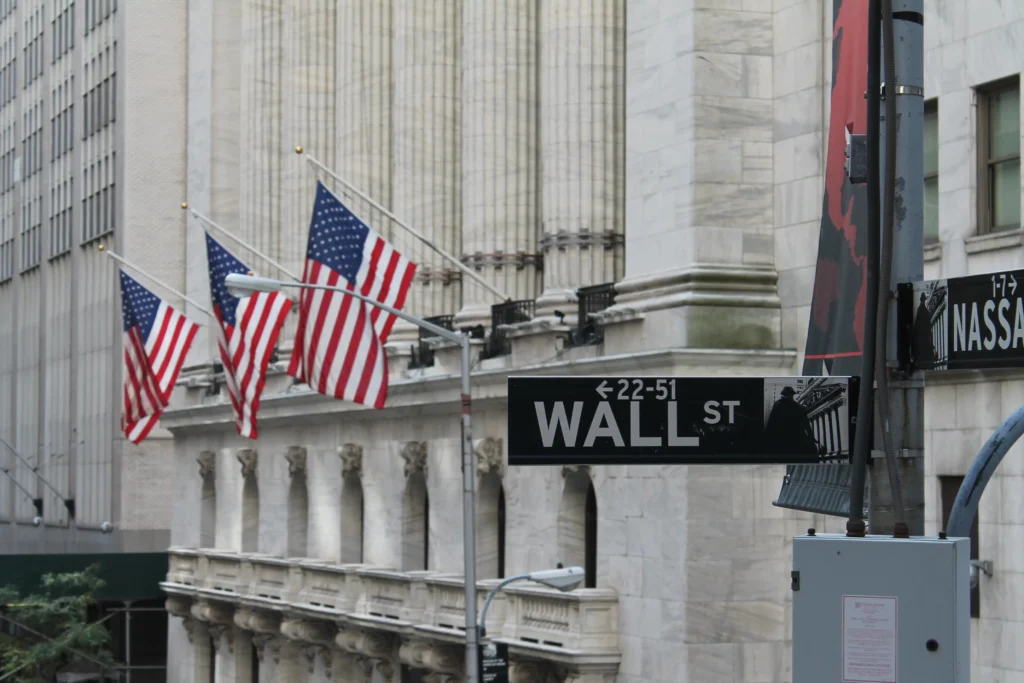
January 15, 2026 – Wall Street’s much-ballyhooed profit rally is showing signs of strain as markets digest a populist policy shift from President Donald Trump that threatens core revenue streams for U.S. banks and lenders. What began as a broad equity windfall following Trump’s return to the White House has morphed into heightened investor anxiety over potential regulatory interventions that could blunt bank earnings and reshape credit markets.
At the center of the selloff is Trump’s high-profile push for a 10% federal cap on credit‑card interest rates, a dramatic departure from decades of deregulation and risk-based pricing in consumer lending. The proposal has jolted banking stocks, with major issuers such as Capital One, JPMorgan Chase, and Citigroup seeing share prices slide amid concerns that reduced interest income could materially erode net margins.
Financial executives have reacted sharply. Industry groups warn that a hard cap could restrict credit access for higher-risk borrowers and prompt legal challenges to the president’s authority to impose interest‑rate limits. At the same time, some economists argue the measure could deliver tangible relief to heavily indebted consumers, highlighting the political appeal of “affordability” measures ahead of midterm elections.
The policy pivot underscores broader tensions between Wall Street’s profit-driven model and rising political pressures to address economic inequality and cost-of-living concerns. While banks continue to report robust overall earnings, the cloud of regulation is prompting strategic reassessments of credit card portfolios, rewards programmes, and lending practices.
Investors and analysts now face a bifurcated outlook: a resilient economy underpinned by strong consumer spending on the one hand and a potential erosion of traditional banking profitability on the other, a dynamic that could temper the sector’s near‑term rally and influence market leadership as 2026 unfolds.
Source: Bloomberg