
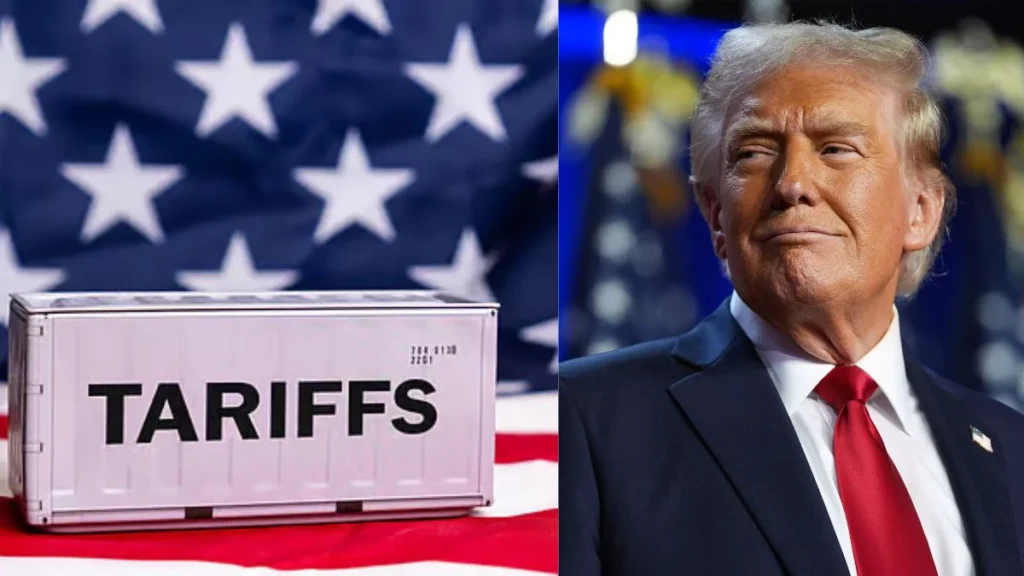
February 21, 2026 – President Donald Trump raised global tariffs to 15% on Saturday. The move came less than 24 hours after the Supreme Court struck down his signature trade strategy. It signals a White House with no intention of retreating legally or politically.
In a Truth Social post, Trump declared the increase “effective immediately.”. He invoked Section 122 of the Trade Act of 1974. That statute caps presidential tariffs at 150 days without a congressional extension.
A Court Loss, Then an Escalation
Friday’s 6-3 Supreme Court ruling was a landmark blow. Chief Justice John Roberts wrote that the International Emergency Economic Powers Act does not authorise tariffs. Two Trump-appointed justices joined the majority.
Trump responded with fury and speed. He first announced a 10% global tariff on Friday evening. By Saturday, that figure jumped to 15%. The White House also promised more tariff actions in the “next short number of months.”.
What This Means for Markets and Businesses
Stocks rallied Friday following the court decision, pricing in lower trade risk. Saturday’s escalation may reverse that optimism when markets open Monday. Uncertainty, not the tariff rate itself, tends to hit business investment hardest.
The federal government collected roughly $25–$30 billion per month under IEEPA tariffs. The new Section 122 levy partially replaces that revenue. But companies that paid the now-illegal tariffs may sue for refunds, a figure analysts estimate could reach $175 billion.
The Clock Is Already Ticking
Section 122 tariffs are temporary by law. Without congressional approval, they expire in 150 days. Trump would need legislative support to extend them, a difficult ask from a divided Congress.
Treasury Secretary Scott Bessent said alternative tariffs would keep 2026’s revenue “virtually unchanged.” But analysts warn that each legal workaround narrows the administration’s options. The longer-term question is not just whether tariffs stick, but whether markets can trust the rules of the game.