
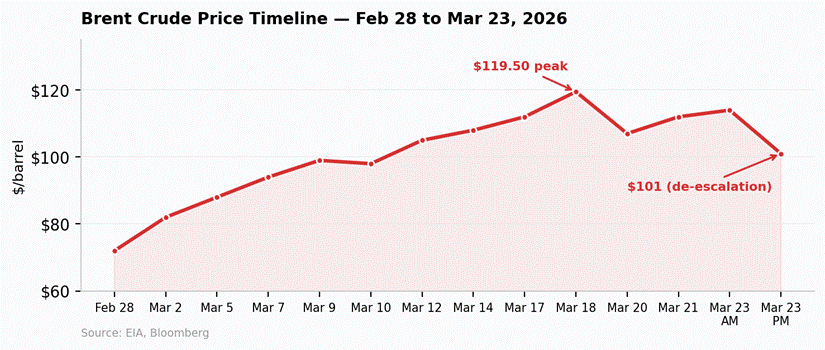
March 24, 2026 – Brent crude plunged from $114 to $101 after Trump signalled productive U.S.–Iran talks. The drop erased a $30 war premium built over four weeks of disruption in the Strait of Hormuz.
In Summary
Brent crude plunged over 10% on signals of de-escalation from Trump.
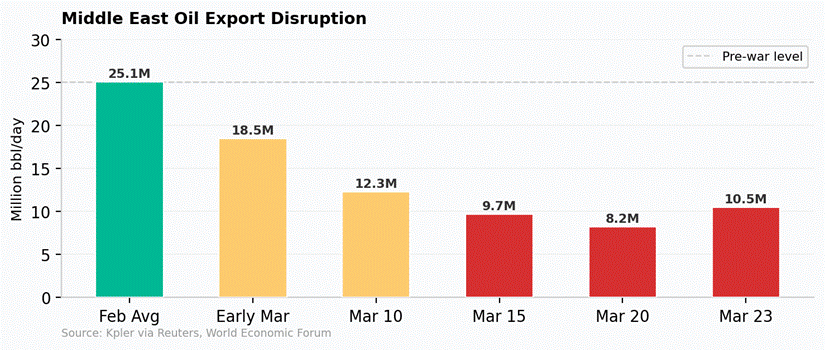
The Strait of Hormuz disruption cut Middle East exports by over 60%
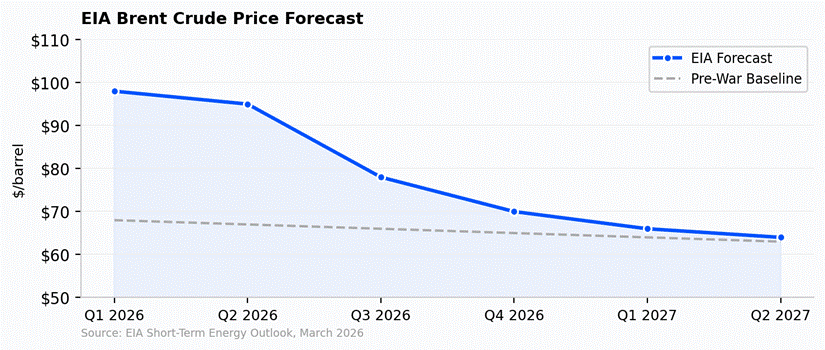
EIA forecasts Brent below $80/bbl by Q3 2026 if tensions ease.
Goldman Sachs warns prices could exceed $147 if disruptions persist.
IEA nations released a record 400 million barrels from strategic reserves.
| -10.2% Brent Intraday Drop | -14% WTI Peak Decline | +50% Brent YTD Before Drop | $101 Brent Current ($/bbl) |
Oil prices posted their sharpest single-day decline in 2026 on Monday. Brent crude fell over 10% after U.S. President Donald Trump announced a pause on strikes against Iran.
The benchmark dropped from an intraday high of $114.43 to roughly $101. West Texas Intermediate plunged as much as 14%. It settled near $89 per barrel. The sell-off erased billions in risk premium within hours.
What Triggered the Crash?
Trump posted on Truth Social about “very good and productive conversations.” He also ordered a five-day postponement of planned strikes on Iranian power plants. Markets reacted instantly.
The conflict began on February 28, 2026, with “Operation Epic Fury.” This joint U.S.-Israeli campaign targeted Iranian military assets. Iran retaliated by disrupting the Strait of Hormuz. The Strait handles roughly 20% of global oil flows.
Middle Eastern oil exports collapsed during the crisis. Exports fell from 25 million barrels per day in February to under 10 million by mid-March. That disruption added nearly $30 to every barrel.
Market Impact in Numbers
The U.S. Energy Information Administration forecasts Brent above $95 through April. It expects prices to fall below $80 by Q3 2026. The agency projects a return to $70 by year-end.
Goldman Sachs raised its Brent forecast to $110 for March–April. The bank warned sustained Hormuz disruptions could push prices beyond the 2008 record of $147. IEA member countries released a record 400 million barrels from strategic reserves.
Inflation and Economic Fallout
The Dallas Federal Reserve estimates that a sustained 10% drop in oil prices reduces headline inflation by 0.4 percentage points. The de-escalation could ease the “energy tax” on global consumers.
Europe faces acute pressure from the crisis. Dutch TTF gas benchmarks nearly doubled to over €60/MWh. The ECB postponed planned rate cuts on March 19. Energy-intensive industries were subject to surcharges of up to 30%.
India remains highly vulnerable to prolonged disruption. Over 220,000 Indian nationals were repatriated from the Gulf. Higher energy costs are weakening the rupee and stoking domestic inflation.
What Comes Next?
Iran denied any talks with the U.S. despite Trump’s claims. The IRGC threatened to keep the Strait of Hormuz closed indefinitely. This contradiction sustains significant market uncertainty.
If diplomacy holds, oil markets could stabilise below $80 by late 2026. However, Gulf energy infrastructure suffered real damage. Production restarts take time. Recovery will be gradual, not immediate.
For now, volatility remains the dominant market force. Traders are navigating a landscape where uncertainty, not equilibrium, sets the price.