
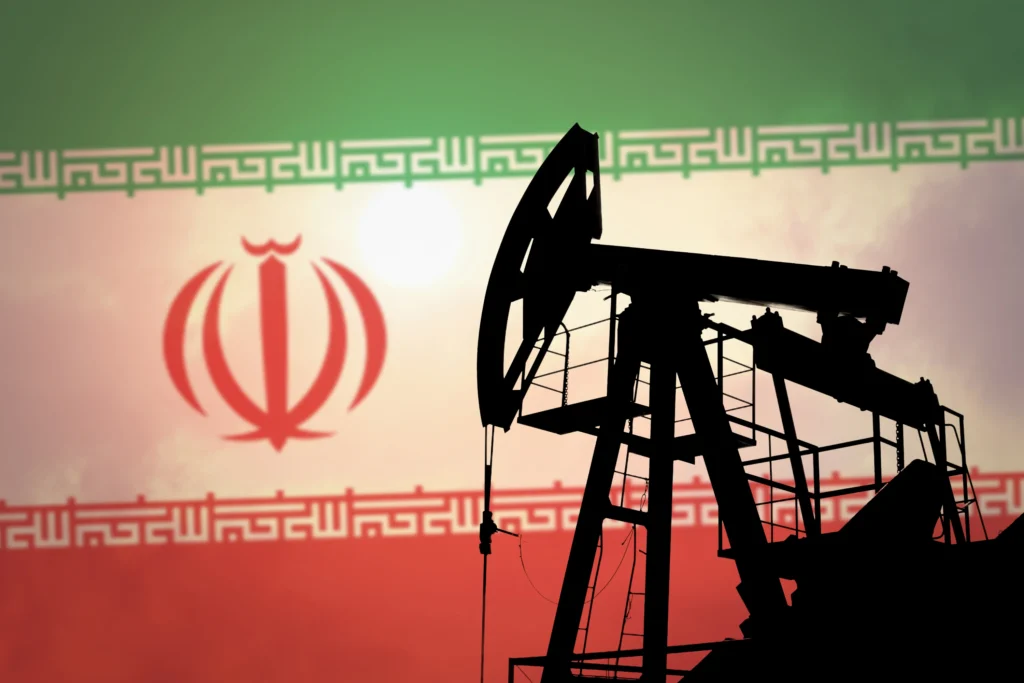
January 15, 2026 – Crude oil prices retraced gains on Thursday after President Donald Trump signalled a de-escalation in potential U.S. military action against Iran, wiping out an earlier rally that had pushed benchmarks to multiday highs amid unrest in the Middle East. The move highlights how swiftly geopolitical risk premiums can shift and underscores the fragile balance between market fears of supply disruption and calmer assessments of near‑term conflict risk.
Trump told reporters he had been assured that Iran would halt its deadly crackdown on nationwide protests and indicated no immediate plan for U.S. strikes, easing fears of a major escalation involving one of the world’s largest crude exporters. That helped send Brent and West Texas Intermediate crude prices down by roughly 2–3 % in after‑hours trading, snapping a five‑day advance that had been driven largely by rising geopolitical anxiety.
Analysts say oil markets remain highly sensitive to both political narratives and actual data flows. While de‑escalatory statements from Washington reduced the geopolitical risk premium, fundamentals such as a larger‑than‑expected build in U.S. crude inventories and signs of robust supply, including possible increases from Venezuela under softer sanctions, also weighed on sentiment.
Traders are now weighing conflicting signals: on the one hand, persistent civil unrest in Iran and threats to key shipping routes like the Strait of Hormuz argue for a sustained risk premium; on the other hand, diplomatic reassurances and ample global stocks suggest limited upside in the near term. This tug‑of‑war could keep crude prices range‑bound until clearer indicators on supply continuity and geopolitical escalation emerge.
Source: Bloomberg, investing.com