

In Summary
Bond markets are mispricing the rising risk of a severe economic slowdown.
Oil prices above $110 per barrel are heavily fueling inflation fears.
Major firms expect growth shocks to push Treasury yields much lower.
Smart money is buying bonds to prepare for falling interest rates.
March 31, 2026 – Wall Street giants are issuing a stark warning to investors today. JPMorgan and PIMCO say the bond market is miscalculating fundamental risks. Traders are focusing too heavily on inflation from global geopolitical conflicts. Instead, they are severely underestimating the looming threat of economic slowdown.
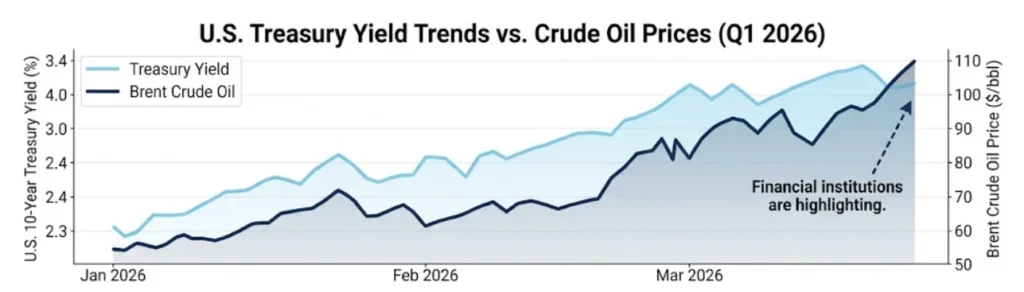
The ongoing U.S.-Iran conflict has severely disrupted global energy markets. Oil prices have recently surged past the $ 110-per-barrel mark. This sudden price spike has triggered a massive global fixed-income selloff. U.S. Treasuries are currently facing their worst monthly drop since October 2024.
Market participants expect the Federal Reserve to keep interest rates high. Many investors even price in further rate hikes to fight inflation. However, top asset managers argue this hawkish view is too one-sided.
The Approaching Growth Shock
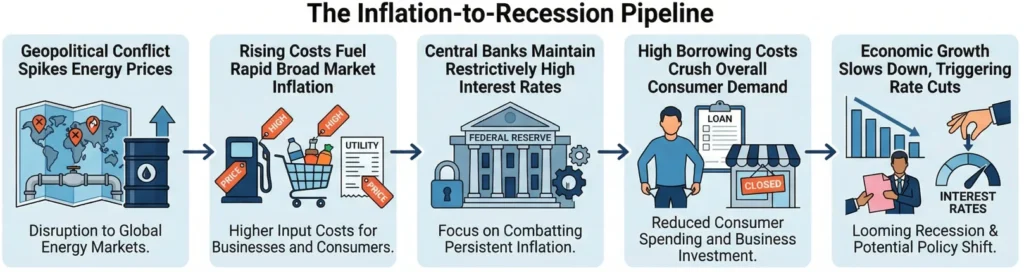
Daniel Ivascyn is the Chief Investment Officer at PIMCO, warns that inflation shocks quickly become severe economic growth shocks. Ivascyn firmly believes we are on the brink of significant weakness. Soaring energy costs will eventually crush consumer demand and business spending. The resulting pain will force markets to rethink their current pricing.
Goldman Sachs economists agree with this increasingly pessimistic macroeconomic outlook. They recently estimated the probability of a U.S. recession at 30%. Meanwhile, PIMCO expects the probability of a recession to exceed one-third later this year. This data suggests a clear contraction is becoming highly probable soon.
This gloomy economic outlook presents a unique opportunity for bold investors. Kelsey Berro, a fixed-income portfolio manager at JPMorgan Asset Management, argues that persistent growth fears will eventually push yields lower. According to Berro, current Treasury yields are highly attractive to buyers. She notes that markets must eventually confront the negative impact on growth.
The Federal Reserve Factor
The Federal Reserve currently faces an incredibly difficult macroeconomic balancing act. High inflation demands a tight monetary policy to protect domestic purchasing power. However, an economic contraction requires lower interest rates to stimulate growth. Central bankers must carefully navigate these conflicting economic warning signs soon.
Rick Rieder, the Chief Investment Officer of Global Fixed Income at BlackRock, recently told Bloomberg News that the Fed should cut rates. Lower borrowing costs could help mitigate the severe economic shock ahead. Rieder is currently preparing to increase his buying of short-term bonds. He believes clarity on the economic outlook will reward this strategy.
Positioning Portfolios for the Future
Top asset managers are actively shifting their massive global investment portfolios. They expect critical economic data to worsen significantly in the coming months. Firms are moving capital to protect against a looming systemic downturn.
Columbia Threadneedle Investments has already started increasing its long-term bond holdings. Portfolio manager Ed Al-Hussainy expects restrictive rate hikes to drag growth. When this inevitable slowdown happens, long-term bond yields will certainly decline. Buying long-term debt now locks in higher yields before rates fall.
Impact on Retail Investors
Retail traders often follow the immediate momentum of major financial markets. Many are currently dumping bonds to chase rising sectors of the stock market. However, following the institutional money reveals a much more defensive strategy. PIMCO and JPMorgan are building heavily fortified positions against economic weakness. Everyday investors might want to reconsider their exposure to risky assets. Adding fixed income to a portfolio could provide essential downside protection. Bonds generally perform well when stock markets struggle during a recession.
In conclusion, the current bond market selloff might be dangerously misleading. Retail investors should look beyond the immediate inflation fears and headlines. A severe growth slowdown is likely to appear on the near horizon. Smart money is already preparing for a major bond market rebound. Yields will likely fall as the harsh reality of recession sets in.