
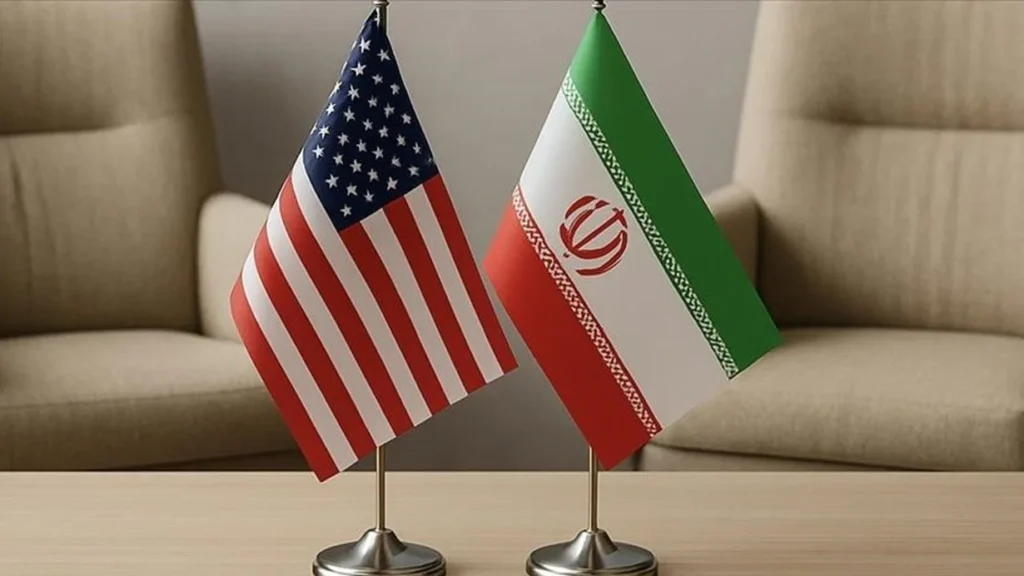
Catenaa, February 15, 2026 – Iran has signaled it is open to compromises in talks with the United States over its nuclear program. The comments mark a potential shift in tone after years of tension.
Officials indicated Tehran may accept limits in exchange for sanctions relief. However, key disagreements remain unresolved. Trust between both sides is still fragile.
Oil markets reacted cautiously to the report. Traders are assessing whether renewed diplomacy could increase Iranian crude exports. Additional supply could weigh on global oil prices.
Iran’s economy remains under pressure from Western sanctions. Inflation is elevated and currency volatility persists. A deal could unlock billions in frozen assets.
For Washington, any agreement must address uranium enrichment levels and inspection access. Lawmakers remain divided over how much relief to grant. Political constraints may shape the negotiation timeline.
Previous talks collapsed amid disputes over verification and guarantees. Analysts say both sides now face stronger incentives to compromise. Regional instability and economic stress have raised stakes.
A renewed agreement could reshape energy markets. Iran holds some of the world’s largest oil and gas reserves. Expanded exports would alter supply dynamics across Asia and Europe.
Geopolitical risks, however, remain high. Israel and Gulf states have voiced concerns about Iran’s nuclear ambitions. Their positions could influence US negotiating strategy.
Investors are watching diplomatic signals closely. Energy stocks and Middle East assets may see volatility. Currency markets could also respond to headline risk.
The path forward remains uncertain. Negotiations require complex technical and political trade-offs. Still, Iran’s willingness to consider compromises suggests diplomacy is not exhausted.
Any breakthrough would mark a significant shift in US-Iran relations. Until then, markets will remain sensitive to every statement from both capitals.