
March 26, 2026 – The fintech giant doubles down on share repurchases after its stock lost more than half its value since the October 2025 all-time high of $153.86.
| BUYBACK SIZE $1.5B | HOOD PRICE $69.08 | YTD RETURN -39% | MARKET CAP $62.2B |
Robinhood Markets (NASDAQ: HOOD) authorized a new $1.5 billion share repurchase program on March 24. The board’s decision adds over $1.1 billion in fresh buyback capacity. It signals strong management confidence during a turbulent period for the stock.
HOOD shares have dropped roughly 39% year-to-date in 2026. The stock peaked at an all-time high of $153.86 in October 2025. It now trades near $69, down more than 54% from that peak.
Buyback History: A Growing Commitment
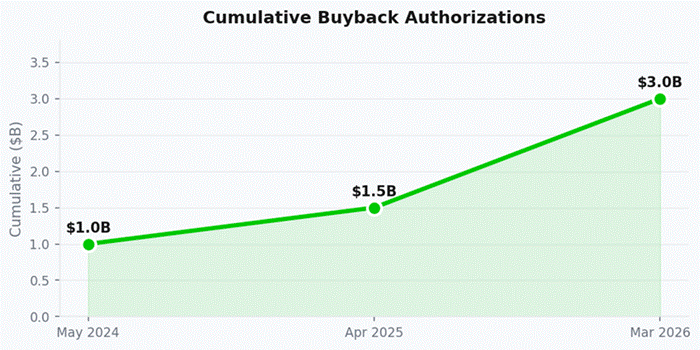
This is Robinhood’s third repurchase authorization in under two years. The company first launched a $1 billion program in May 2024. It then added $500 million in April 2025. Under those earlier plans, Robinhood retired over 25 million shares at an average price of roughly $45.
| May 2024 | Initial $1B repurchase program authorized |
| April 2025 | Board approved additional $500M buyback |
| Feb 2026 | $910M spent, 22M shares retired at ~$40.64 avg |
| Mar 2026 | New $1.5B program, $1.1B fresh capacity added |
Management expects to execute the new authorization over three years. It retains flexibility to accelerate purchases if conditions allow. CFO Shiv Verma framed the move as a long-term vote of confidence.
“This authorization reflects the confidence of our management team and board in our ability to continue delivering innovative products for customers.”
— Shiv Verma, CFO, Robinhood Markets
Record 2025 Financials Fuel the Strategy
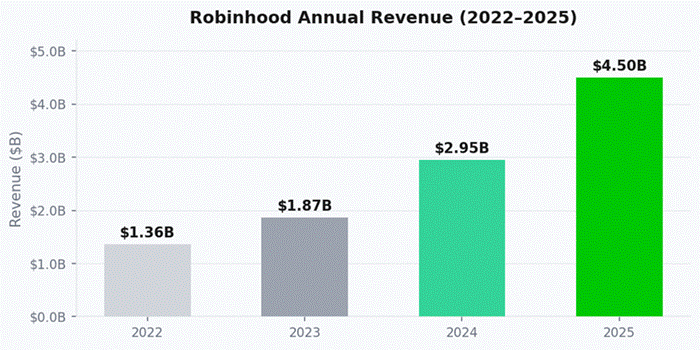
Robinhood closed 2025 with record full-year revenue of $4.5 billion, a 52% jump year-over-year. Net income reached $1.9 billion with diluted EPS of $2.05. Adjusted EBITDA hit $2.5 billion, reflecting margins of 56%.
Figure 1: Robinhood Annual Revenue (2022–2025)
Fourth-quarter revenue totaled $1.28 billion, up 27% year-over-year. Gold subscribers surged 58% to a record 4.2 million. Total platform assets grew nearly 70% to $324 billion. These figures underpin the board’s willingness to return capital.
Why Buy Back Shares Now?
The timing is strategic. With HOOD trading near $69, buybacks are far cheaper per share. The company previously repurchased stock at an average of $45. At today’s price, each dollar deployed retires more shares. This approach could meaningfully boost earnings per share for remaining holders.
Figure 2: Cumulative Buyback Authorizations ($B)
Robinhood also expanded its revolving credit facility with JPMorgan to $3.25 billion. The facility can scale to $4.87 billion. This ensures ample liquidity alongside aggressive capital returns.
Risks to Monitor
Crypto trading revenue remains a wildcard. January 2026 crypto volumes declined roughly 57% compared to January 2025. This was the primary driver behind Q4 2025’s revenue miss. The stock’s 39% YTD decline reflects this uncertainty.
Figure 3: HOOD Stock 52-Week Range & Key Levels
Still, the company’s diversification push offers a buffer. Net interest revenue rose 39% in Q4. Subscription revenue from Gold more than doubled. These segments reduce dependence on volatile transaction-based income.
The Bottom Line
Robinhood’s $1.5 billion buyback is its boldest capital return move yet. Record profitability supports the spending. The depressed share price makes each repurchase more accretive. But crypto headwinds and macro volatility remain risks worth watching closely.