
Catenaa, Sunday, March 29, 2026- Spending cuts at OpenAI have caused the prices of memory chips to surge by 700% in 2025 as fears grow about the tech company’s ability to fund its expansion.
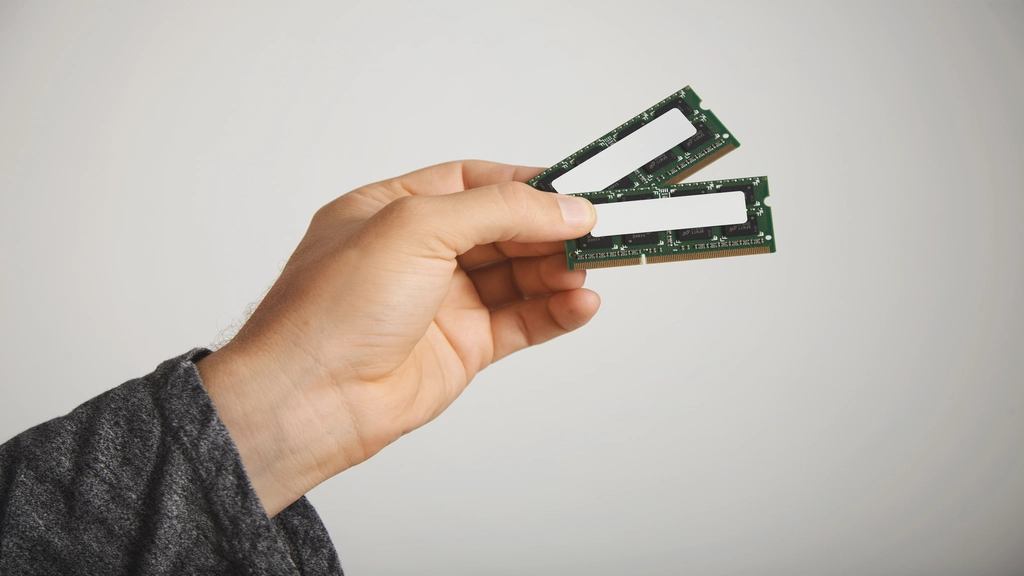
OpenAI’s boom helped drive a surge in the price of random-access memory (RAM), a key component in both consumer electronics and data centres, as suppliers struggled to keep pace with the surge in demand.
Prices have risen by around 700% over the last year, according to market research firm TrendForce.
But there are signs the price surge is beginning to ease as OpenAI puts the brakes on its vast investment in data centres.
Prices for DDR5 memory kits have dropped by as much as $100 in some cases, with one 32GB kit on sale for $370 on Amazon.
That is down from a recent peak of around $490, according to industry publication Wccftech.
The surge in prices was in part driven by an agreement OpenAI struck in October to buy 900,000 DRAM wafers a month from Samsung and SK Hynix. The deal equated to around 40pc of global supply.
But plans by OpenAI, the tech giant behind ChatGPT, to rein in several big-spending projects have sparked fears the company will no longer need as many chips.
Last week, it shuttered Sora, its AI video app that was backed by Disney, in an effort to control its ballooning costs.
OpenAI this month also scrapped a multi-billion-dollar deal with Oracle to expand the Stargate data centre in Texas.
Sam Altman, OpenAI’s chief executive, previously set out plans to spend $1.4 trillion on the data centres required to power its technology.
But the company, which has said it will burn through $115 billion by 2029, is now reining in investment under pressure from investors and as rivals, such as Claude owner Anthropic, gain ground.
The scaling back of these plans has raised hopes that RAM prices will fall back from their record highs.
Any decline in prices would be a boon for consumers as the supply crisis is expected to take its toll on devices such as smartphones, computers, and games consoles that also rely on memory chips.
IDC has forecast that mobile phone prices will rise to 8% this year, leading to a sharp fall in sales. Manufacturers are also considering putting less memory in new devices, which would make them slower and less reliable, in an effort to keep costs down.
Francisco Jeronimo, an Analyst at Tech Researcher IDC, told The Telegraph that it was too early to say whether there would be a sustained fall in memory chip prices.
But he added: “If those contracts are not fulfilled, if they scale back in terms of the investments they are doing, definitely the price of memory will alleviate and that will be good for the consumer electronics industry.”