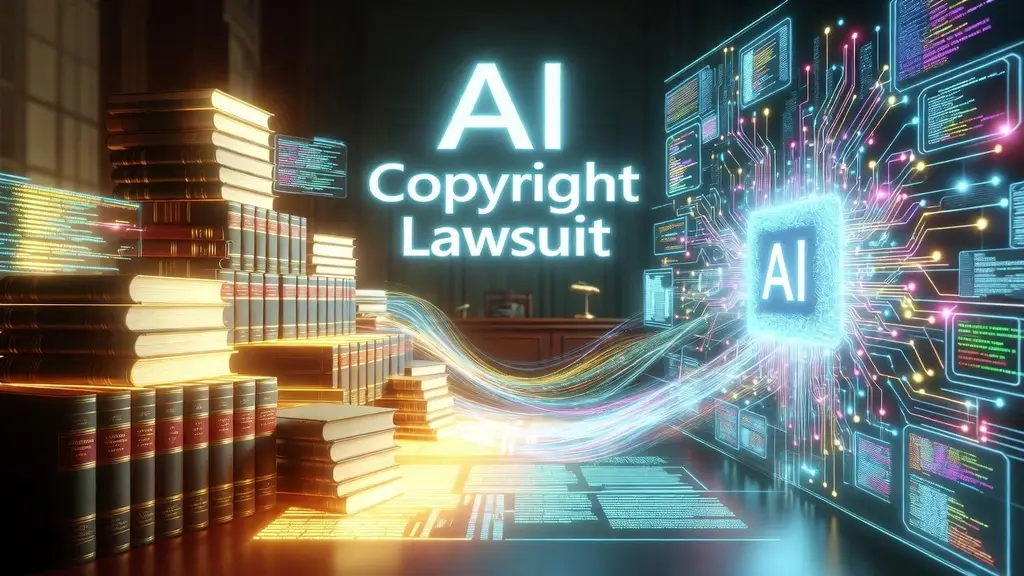
Catenaa, Friday, March 20, 2026- Encyclopaedia Britannica and its dictionary unit Merriam-Webster filed a federal lawsuit against OpenAI, alleging copyright infringement tied to the use of their content in artificial intelligence systems.
The complaint, filed in the Northern District of Illinois, accuses the company of copying tens of thousands of encyclopedia and dictionary entries without authorization to train its AI models. The publishers claim the technology reproduces portions of their material in responses and competes directly with their platforms.
According to the filing, the AI system generates answers that closely resemble original text, sometimes including passages that mirror copyrighted content. The lawsuit also alleges that inaccurate information generated by AI is occasionally attributed to Britannica, raising trademark concerns.
The publishers are seeking damages and court orders to prevent further use of their materials.
The lawsuit outlines several areas of dispute. Britannica and Merriam-Webster argue that large-scale data collection for AI training constitutes unauthorized copying. They also claim that outputs generated by the system can reproduce protected material, raising questions about how AI models handle copyrighted text.
In addition, the complaint cites trademark issues, alleging that references linking incorrect or fabricated content to Britannica could harm the brand’s credibility.
The case adds to a growing list of legal challenges facing AI developers over how training data is obtained and used.
The lawsuit follows similar actions by publishers including The New York Times and media companies such as Ziff Davis. These cases focus on whether AI systems can use publicly available content without payment or licensing agreements.
Courts are examining whether such use qualifies as fair use under US copyright law. Technology companies argue that AI training transforms original material into new outputs, while publishers say the systems replicate and compete with their work.
Legal experts expect the issue to shape future rules governing AI development and digital content rights.
Britannica and Merriam-Webster argue that AI-generated answers reduce traffic to their websites, affecting advertising and subscription revenue. As users increasingly rely on AI tools for quick information, traditional publishers face challenges maintaining audience engagement.
Industry analysts say this shift could reshape how knowledge is distributed online. AI systems often deliver direct answers instead of directing users to source material, changing long-established web traffic patterns.
Some publishers have responded by negotiating licensing deals with AI firms, while others have pursued litigation to protect their intellectual property.
Governments in multiple regions are reviewing policies related to AI and copyright. European regulators have introduced rules requiring transparency in training data, while Canada and Australia have adopted measures to support news organizations through digital revenue frameworks.
In the United States, lawmakers continue to debate how existing copyright laws apply to AI systems. The outcome of current lawsuits could influence future legislation and industry practices.
The case is expected to move through pretrial stages as both sides present arguments on data use and content reproduction. Discovery proceedings may examine how AI models are trained and whether copyrighted materials are stored or reproduced in outputs.
Observers say the lawsuit could set a precedent for how courts interpret copyright in the context of generative AI. A ruling may clarify the balance between technological innovation and protection of intellectual property.
Britannica, founded in 1768, and Merriam-Webster, one of the oldest dictionary publishers in the United States, remain widely recognized sources of reference material. Their legal action signals continued resistance from traditional publishers as AI tools expand their reach.