
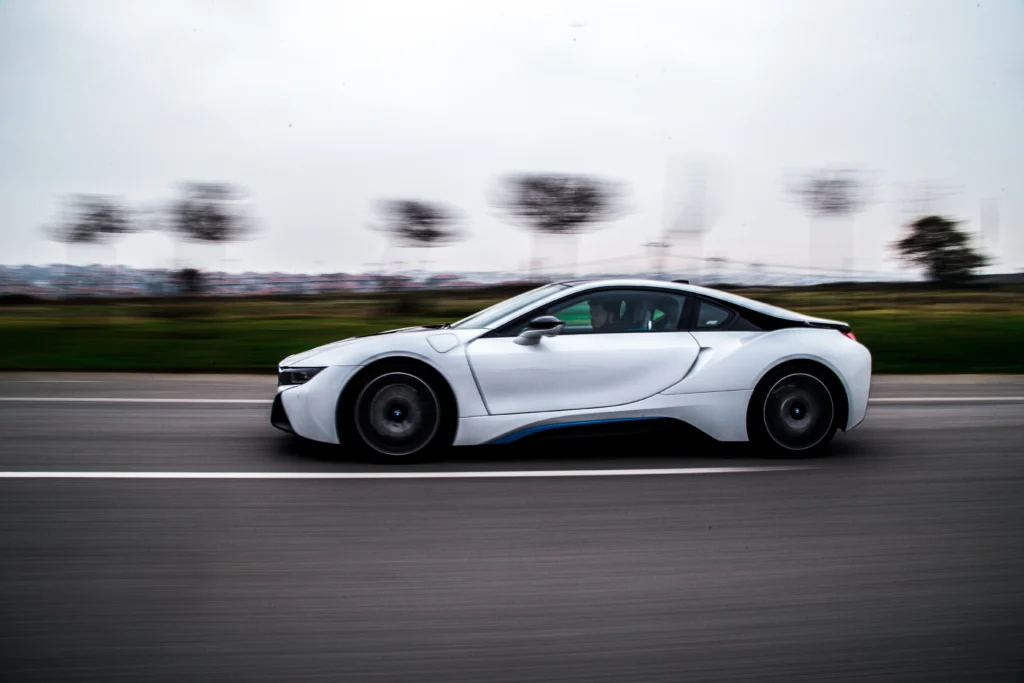
Catenaa, Friday, March 27, 2026- Alphabet has positioned Waymo, its self-driving unit, as a long-term growth driver and key area in the company’s AI progress.
CEO Sundar Pichai has repeatedly pointed to autonomous driving as one of the company’s key areas of progress in artificial intelligence and a driver of future value.
He told investors on the February earnings call that Waymo is “now providing more than 400,000 rides every week” and “continues to expand its service territory.”
“The team has made incredible progress on important capabilities, including opening up public service to airports and freeways,” Pichai told investors.
Morgan Stanley is similarly bullish on Waymo, and its analysts just revealed a new message regarding its competition with Uber. Here’s what Morgan Stanley is telling its clients, and what it means for Alphabet shareholders.
Morgan Stanley maintained its overweight rating on Alphabet shares and set a $330 price target, arguing the broader industry outlook remains attractive and that Waymo’s latest data shows faster-than-expected scaling.
As of writing, Alphabet stock trades at around $274 and is down more than 12% year-to-date.
“New Waymo data cause us to raise 2028 miles and revenue by 20% and 6% as Waymo is scaling faster,” the firm wrote.
Waymo’s operating metrics are improving across the board. The company reported cumulative miles driven that came in 6% ahead of expectations, with stronger growth across geographies.
Weekly trips have climbed to about 500,000, Waymo’s Co-CEO Dmitri Dolgov said in a March 24 Podcast. The number is roughly five times higher since August 2024.
That pace could accelerate further. Morgan Stanley said media reports suggest weekly trips may double again by the end of 2026 as Waymo expands into roughly 15 cities this year and increases fleet size.
The firm now expects Trips growing at an 84% CAGR from 2025 to 2032, total trips reaching 1.1 billion by 2032, miles driven hitting 8.2 billion, and revenue reaching about $20 billion.
Even then, Waymo would account for less than 0.5% of total U.S. miles driven, the firm noted, adding that the key constraints on Waymo’s growth are fleet size and the pace at which it can scale. That scaling challenge will likely determine how quickly Waymo becomes a material contributor to Alphabet’s financials.
Morgan Stanley estimates vehicles could grow from about 4,500 at the end of 2026 to 118,000 by 2032, a 78% CAGR.
Waymo raised capital earlier this year at a roughly $126 billion valuation, which the firm notes represents only about 4% of Alphabet’s enterprise value today.
That could mean that Alphabet stock’s near-term performance is still tied more to its core businesses, including search and Google Cloud, which have been supported by AI-driven demand.
At the same time, competition is intensifying. Morgan Stanley highlighted that Uber Technologies remains far larger, with about 51 million weekly U.S. rides compared with Waymo’s current scale.
Uber’s strategy is different. Rather than building its own fleet, it is creating a network of autonomous vehicle partners to compete with Waymo’s vertically integrated model.
The company has recently announced partnerships with Rivian, Amazon’s Zoox, Motional, Wayve, and Nvidia, TheStreet reported last week.
“We are Waymo bulls, but Uber has 6 recent partnerships to monitor in the coming quarters/years to validate its strategy, [and] is still 50X+ larger than Waymo and trades at a ‘disrupted’ multiple, leaving us [the overweight rating] there too,” the firm said.