
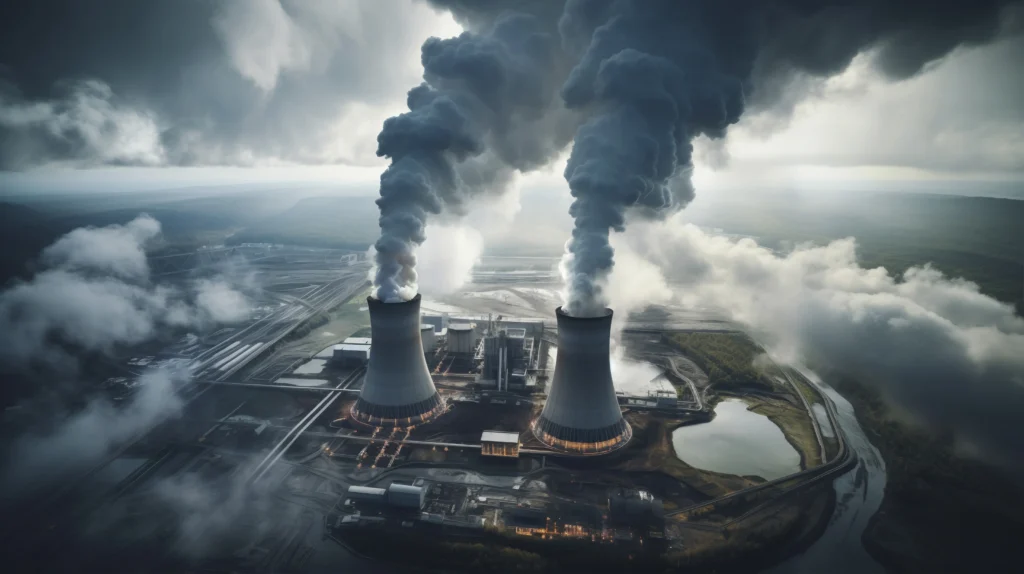
February 21, 2026 – A $33 billion Ohio gas plant backed by SoftBank may top U.S. CO₂ charts. Here’s what it means for energy and the climate.
KEY FACTS AT A GLANCE
• Location: Portsmouth, Ohio
• Capacity: 9.2 gigawatts
• Investment: $33 billion (Japan/SoftBank)
• Status: Largest proposed gas plant in US history
President Donald Trump is championing a massive gas-fired power plant in Ohio. If built as planned, it could become the single largest source of carbon dioxide from US electricity generation. Unsurprisingly, that prospect is raising alarms among climate advocates and energy competitors alike.
What Is the Ohio Gas Plant?
Japan’s SoftBank Group will lead the $33 billion development near Portsmouth, Ohio. With a projected capacity of 9.2 gigawatts, the plant would generate enough power for millions of American homes. Although full details remain scarce, the US Department of Commerce has confirmed its extraordinary scale, making it the largest proposed gas plant in US history.
Why Does This Matter for Emissions?
At 9.2 gigawatts, this plant would dwarf every existing US gas facility. Furthermore, analysts warn it could emit more CO₂ than any other power plant in America. Consequently, the project runs counter to national decarbonisation goals and signals a sharp shift toward the expansion of fossil fuels under Trump’s energy agenda.
Crowding Out the Competition
Energy markets are already rattling in response to the announcement. According to two power-sector insiders who spoke to Bloomberg, White House backing gives SoftBank an unfair financing advantage. Consequently, rivals without political support may struggle to attract private capital. Even more striking, smaller developers could abandon their projects entirely.
The Bigger Picture: Trump’s Energy Push
Notably, this project does not stand alone. The Trump administration has already rolled back mercury emission limits on coal plants and revoked public health findings on climate change. Together, these moves reveal a clear strategy to expand fossil fuel production. Meanwhile, critics argue the trade-off is a worsening climate footprint at a time when renewable energy costs keep falling.
What Comes Next?
Construction details are still emerging. However, environmental reviews will draw intense scrutiny, and climate groups are likely to pursue legal challenges. In the meantime, investors and energy developers across the Midwest are already recalibrating their strategies. Clearly, the ripple effects extend well beyond Ohio.
THE BOTTOM LINE
Trump’s Ohio gas plant promises jobs and power for an energy-hungry region. However, it also directly contradicts the US’s climate goals. Ultimately, how this project unfolds could reshape American energy policy for a decade, and the world will be watching.